Two decisions, one message
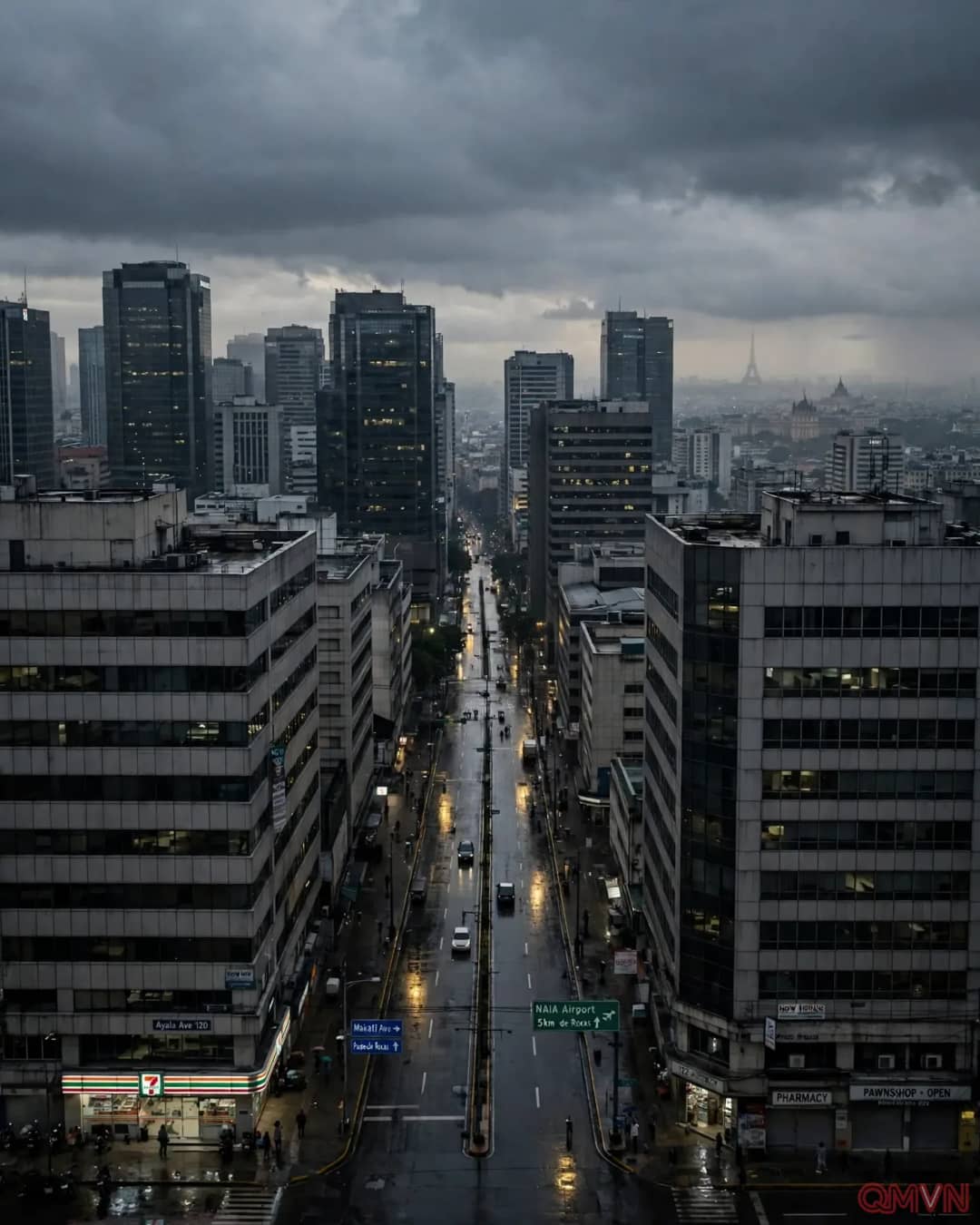
In reports published on Thursday, CCXI kept France at A+ and the Philippines at BBB but moved both outlooks to negative. According to the South China Morning Post, the agency cited slower economic growth and mounting fiscal pressure in both countries.
A negative outlook is not a downgrade, but it is a serious reminder: if current trends do not reverse, the rating could be cut within a year to a year and a half. For governments that borrow constantly, it is a signal markets cannot ignore.
France: a major economy caught in a political whirlwind
CCXI said France’s fragmented political landscape had made fiscal consolidation difficult, while next year’s presidential election adds to the uncertainty. The numbers show why the concern is real:
- The government expects a 2026 budget deficit of 5.4 percent of GDP, above its earlier 5 percent target and nearly double the European Union’s 3 percent ceiling.
- Public debt is forecast to rise to 119.3 percent of GDP in 2026 and 121.7 percent in 2027.
- The economy shrank 0.2 percent in the first quarter, stalled in the second and contracted another 0.1 percent in the third quarter of 2026.
Only weeks earlier, Fitch also kept France at A+ but cut its outlook to negative, citing weak growth, higher borrowing costs, political fragmentation and mass protests. The government lacks a majority in the National Assembly, and its draft 2027 budget targets 43 billion euros in savings. Economy and Finance Minister Roland Lescure has hammered the point home on Franceinfo radio:
We need a budget, we need a budget deficit of 5 percent or less.
The Philippines: from growth star to its weakest quarter in five years
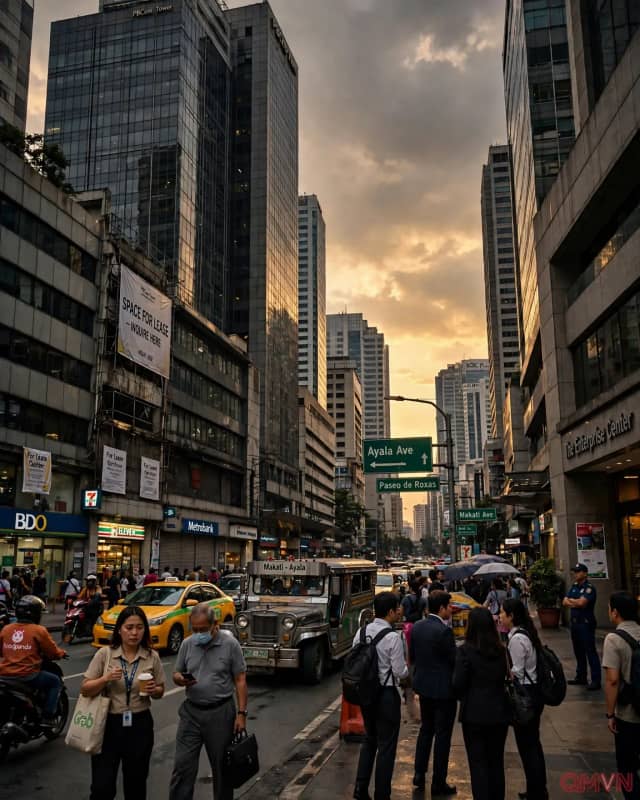
If France is a story about politics, the Philippines is a story about lost momentum. Once among Asia’s fastest-growing emerging economies, the country is going through a prolonged slowdown:
- GDP grew just 2.1 percent year on year in the third quarter of 2026, the slowest pace since the first quarter of 2021 and the fifth straight quarter of deceleration.
- Average growth over the first nine months was only 2.5 percent, putting the full-year target of 3.5 to 4.5 percent out of reach.
- The Bangko Sentral ng Pilipinas has raised its policy rate to 5.5 percent after hikes in August and October.
In April, Fitch lowered the Philippines’ outlook to negative, pointing to disrupted public investment and high exposure to the global energy shock caused by the war in the Middle East.
Economists at S&P Global say the economy is growing substantially below its potential of 5.5 to 6 percent.
A different voice in the ratings market
For decades, the global credit ratings market has been dominated by the trio of S&P Global, Moody’s and Fitch. Chinese agencies such as CCXI have long sought to establish their own perspective, especially as Beijing opens its bond market to foreign issuers.
What stands out this time is the consensus. From Beijing to New York, analysts are reaching the same conclusion: high debt, weak growth and divided politics are a recipe for eroding trust, whether in a European power or an emerging economy in Southeast Asia.
The price of uncertainty
For investors, a negative outlook is a reminder to price in more risk, which can mean higher borrowing costs. For governments, every extra percentage point of interest is money taken away from schools, hospitals and infrastructure.
In the end, ordinary people bear the burden: French workers worry about spending cuts, while Filipino families face high energy prices and unfinished infrastructure projects.