MAIN ARTICLE
A crowded diplomatic table, and competing expectations
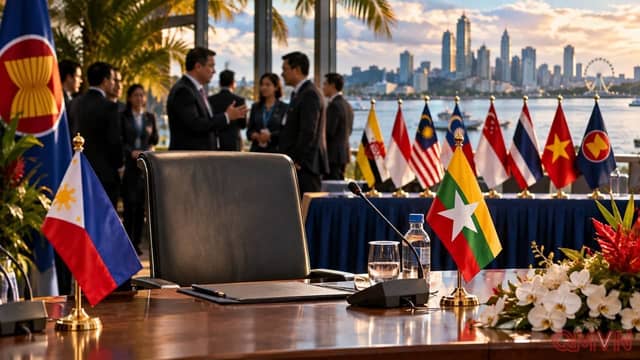
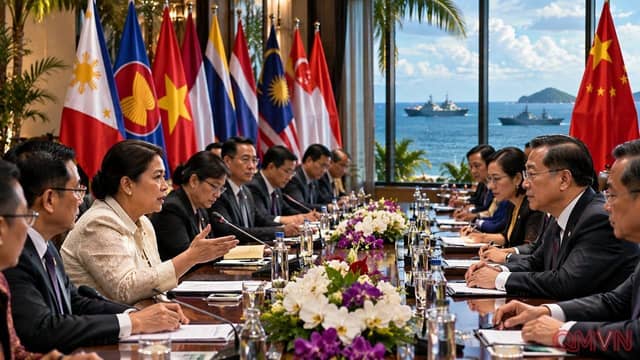
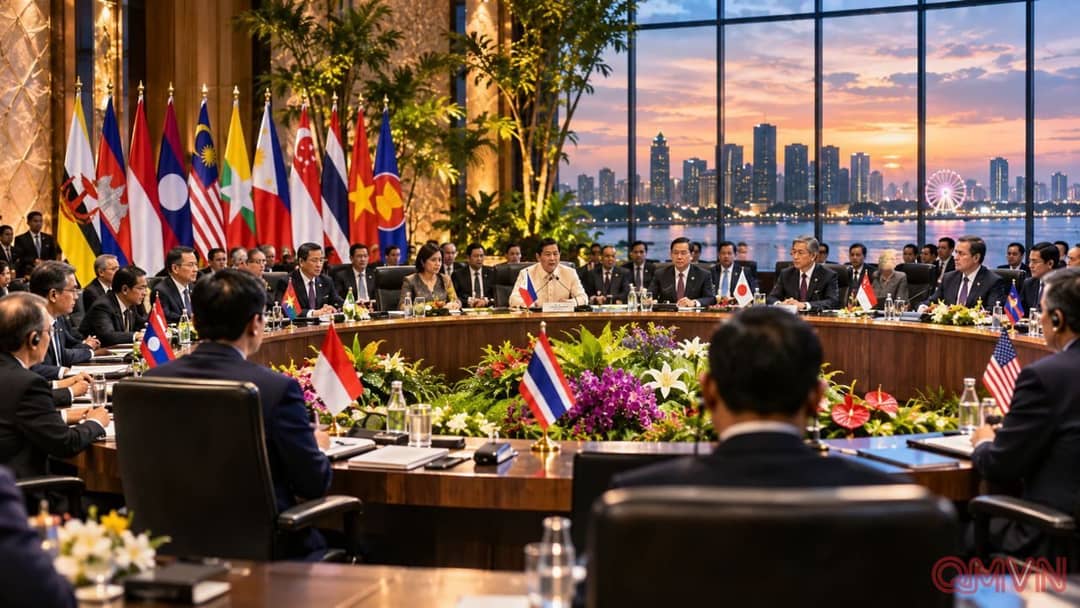
The Philippines hosted the November 15–17 meetings under the theme “Navigating Our Future, Together.” Alongside ASEAN members, leaders and representatives from the United States, China, Japan, India, Australia and South Korea joined the discussions. These encounters are more than diplomatic ritual. In a region central to global trade, their outcomes can shape supply chains, energy costs and investment decisions far beyond Southeast Asia.
President Ferdinand Marcos Jr. called the three days of meetings productive as proceedings ended. Yet a summit cannot be judged solely by the number of encounters or declarations it produces. The deeper measure is whether commitments acquire funding, responsible institutions, deadlines and public scrutiny. Broad agreement therefore needs to be considered alongside the subjects on which participating governments remain apart.
ASEAN provides an important forum in which countries with conflicting interests can continue talking without being compelled to choose a bloc. But consensus-based diplomacy can also make responses to sensitive problems slow. It is a trade-off that helps preserve inclusion while limiting the organization’s ability to react quickly when crises grow more urgent.