An invisible fight
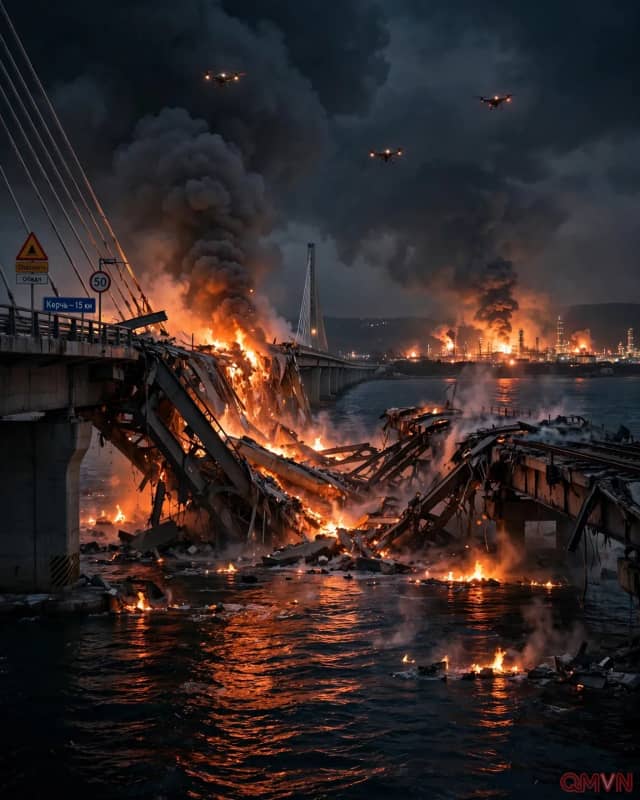
According to the study in the European Journal of Psychotraumatology, nearly a third of Ukrainian civilians meet the criteria for PTSD. Persistent air attacks, fleeing advancing Russian forces and losing homes have left deep marks. While surveys show Ukrainians unwilling to give in to Russian demands ahead of a difficult winter, attacks and losses are wearing down their resilience.
Children carrying the war's wounds
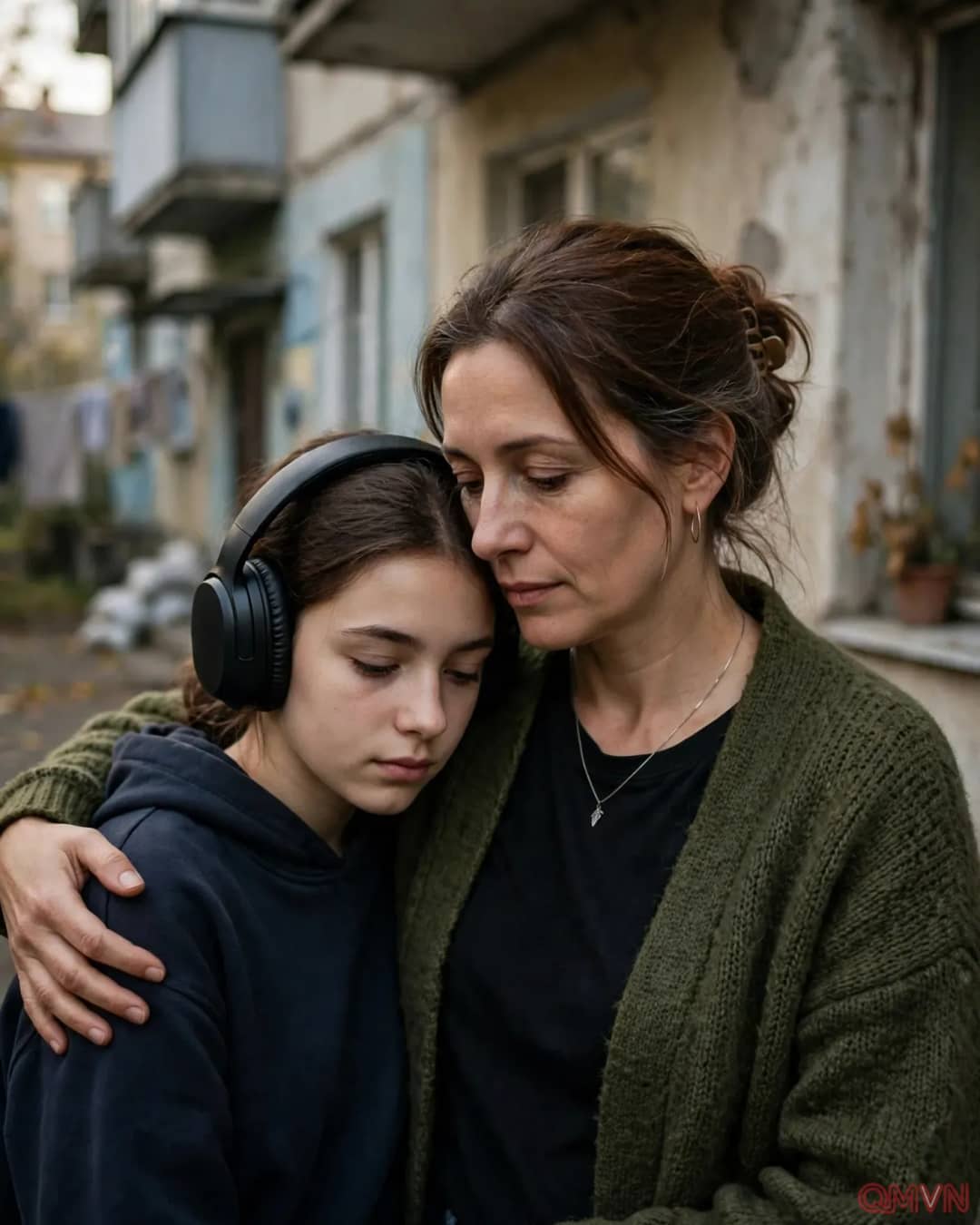
When her 10-year-old daughter Marharyta complained of blurry vision and strange shapes in her head, psychologist Svitlana Kaminska took her to several doctors. The answer came from a children's psychiatrist: she had PTSD after months living in occupied Kherson. Now 14, Marharyta still dislikes loud noises, but noise-cancelling headphones, breathing techniques and a painted bullet casing, a keepsake from her father at the front, help her cope.
*"We tried so hard to shield her from everything, so she would see and hear as little as possible. But it turned out that we had not." — Svitlana Kaminska*