MAIN CONTENT
Implementation comes before a fresh bargain
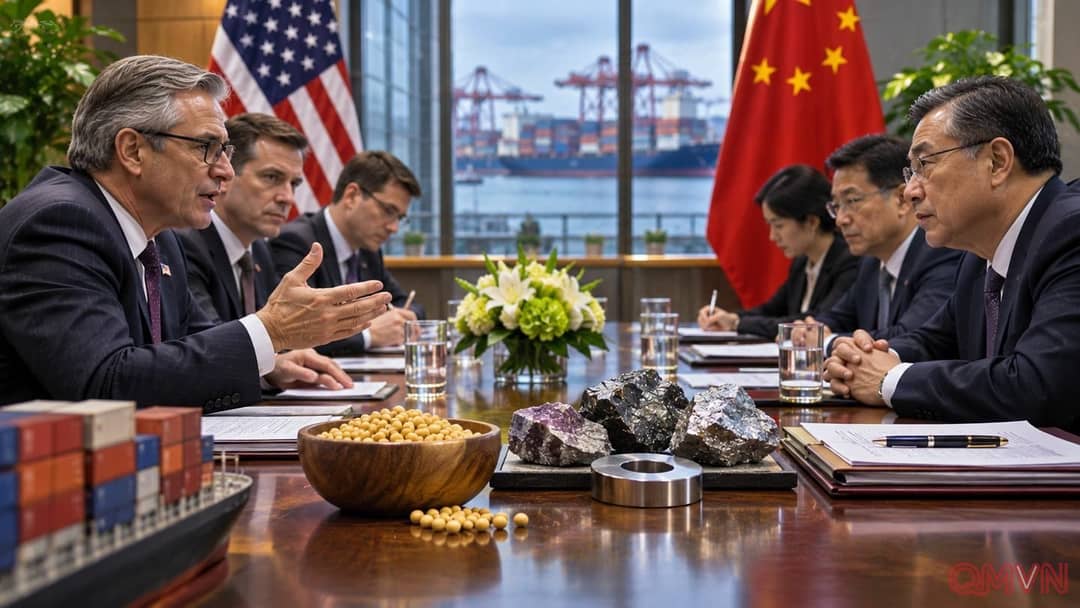
According to the U.S. Treasury’s November 6 account, Scott Bessent called for full and immediate performance of the Busan commitments and said Washington would closely assess results. USTR reported that Jamieson Greer singled out agricultural purchases, rare earths and other critical minerals during the video call with He Lifeng. Those statements establish the American position, not an independently audited total of allegedly undelivered goods. A distinction between official complaints and verified shipment data is necessary when the terms of compliance remain contested.
China’s Xinhua news agency said Beijing voiced “serious concerns” about recent American economic and trade restrictions. It portrayed the discussion as candid, in-depth and constructive, and said both sides would continue using economic consultation channels. The two accounts can describe the same productive conversation while stressing opposing priorities. Washington wants measurable implementation; Beijing emphasizes reciprocity and says fresh restrictions undermine the foundation of cooperation.
Why rare earths have become industrial leverage
Rare earths are more than a category in a customs ledger. Powerful magnets made using these elements are important to electric vehicles, wind turbines, electronic devices and some defense equipment. A delayed export license, or insufficient deliveries, can disrupt production far beyond the mine or processing plant. American manufacturers therefore watch the pace, predictability and volume of shipments, not merely whether a government declares restrictions suspended.