MAIN ARTICLE
Why an intelligence agency is talking about global security
The Ministry of State Security's commentary, described by the South China Morning Post on November 21, asked why common international security must be advanced. It portrayed mounting uncertainty and geopolitical instability as challenges that no country can manage alone. A public intervention by an intelligence and counterespionage agency is significant: it signals that Beijing regards the concept as part of its broader strategic narrative, not simply ceremonial diplomacy.
Its central proposition is that one state's protection should not be purchased through the insecurity of another. Chinese officials frequently criticize bloc confrontation, escalating military rivalry and interference in internal affairs. Yet the attractive phrase “common security” also needs an operational definition. Who decides what counts as a threat? How are smaller states protected? What happens when governments disagree over borders, sovereignty, alliances or self-defense? Without answers, the same slogan may mean quite different things to different audiences.
The Shenzhen summit: an achievement with limits
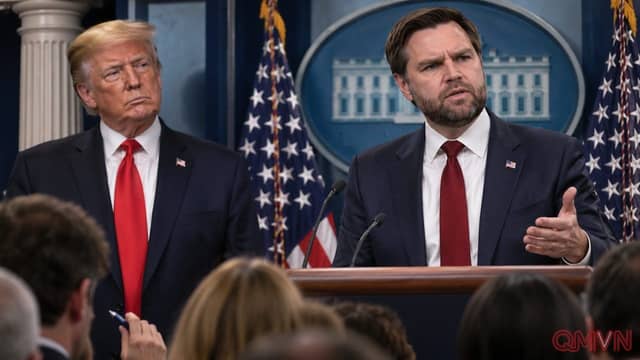
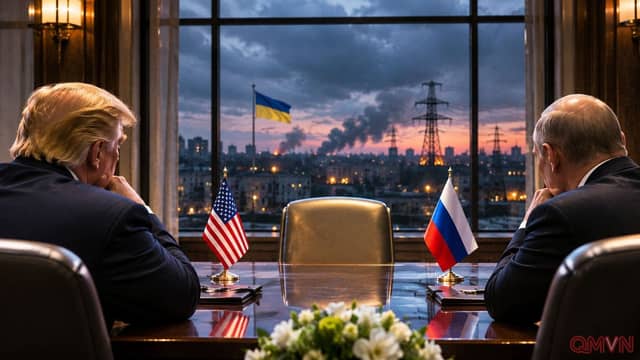
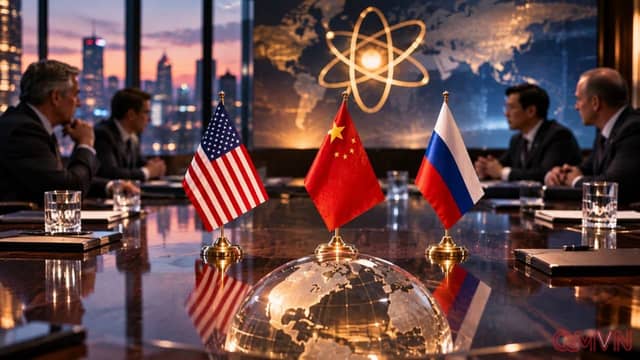
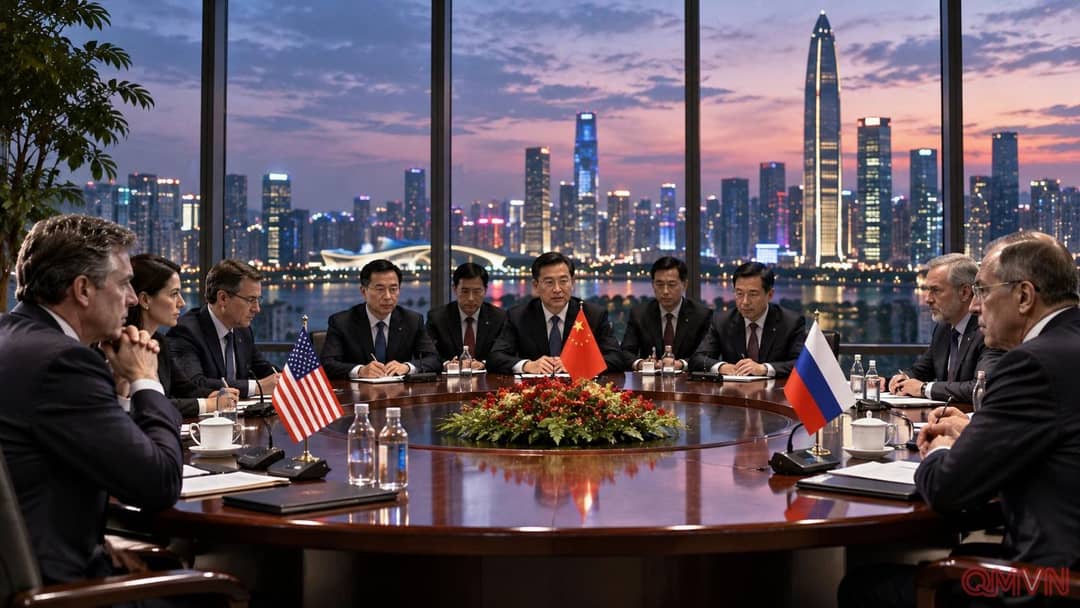
On November 19, President Xi Jinping hosted President Donald Trump and President Vladimir Putin in Shenzhen during the APEC gatherings. Reuters and the Associated Press reported that the three issued a symbolic declaration affirming that nuclear war cannot be won and must never be fought.