MAIN STORY
A health emergency spreads beyond borders
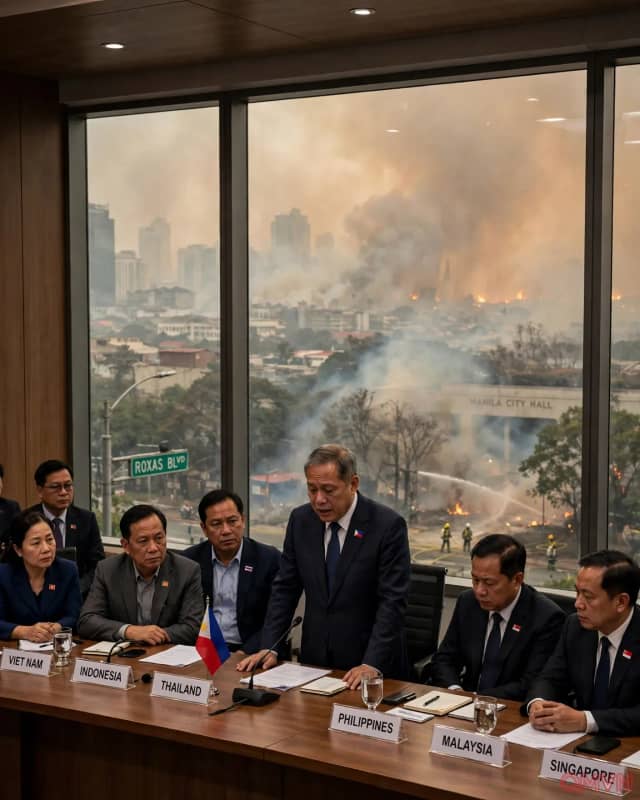
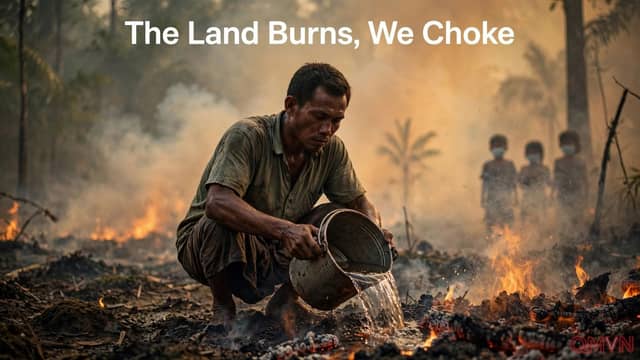
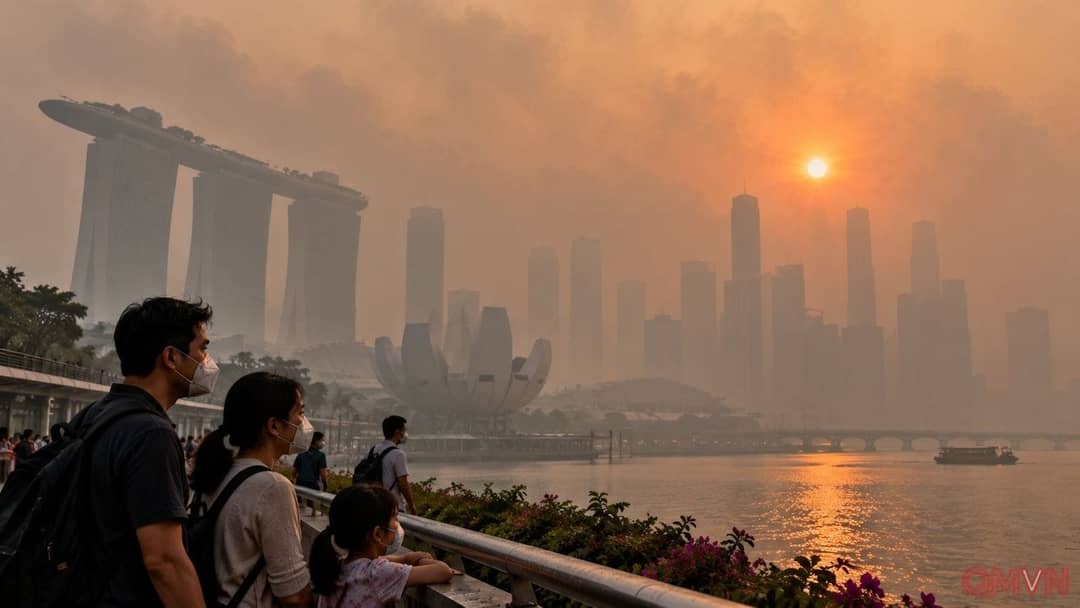
Smoke from forest and peat fires in Indonesia is travelling with seasonal winds, degrading air quality in Singapore, Malaysia and other parts of the region. Reuters reported on October 14 that Timor-Leste suspended in-person classes for three days amid dangerous air quality, while Singapore curtailed outdoor activities. The disruption shows how an environmental emergency can quickly affect education, workplaces and public health.
Singapore classifies its Pollutant Standards Index as unhealthy when the reading exceeds 100. The Straits Times reported on October 17 that at least one part of the island had reached that level for 13 consecutive days, the longest such stretch since the 2015 haze crisis. Pollution nevertheless varies by hour and location; a reading at one monitoring station does not necessarily describe exposure across the entire city.
Children, older people, pregnant women and residents with cardiac or respiratory disease can face especially serious risks from fine particles. Practical precautions include watching official air-quality advisories, limiting strenuous outdoor activity when pollution rises and using cleaner indoor air where available.