A sultan's city inside a republic
Indonesia is governed by an elected president in Jakarta, but in Yogyakarta a sultan still holds court. The city kept its royal status because its sultan supported the struggle for independence against Dutch colonial rule after World War II and was allowed to retain his domain when the republic was founded.
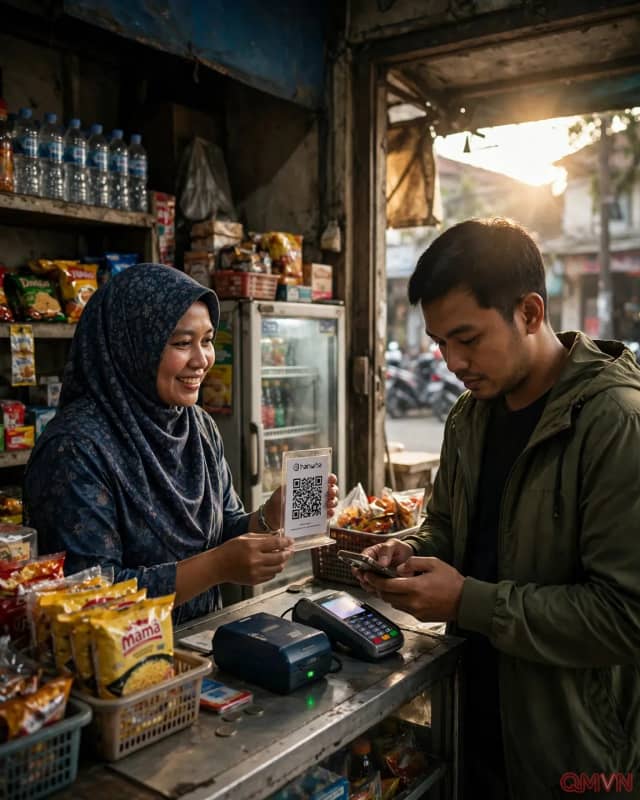
Modern Jogja is noisy and colourful. Roadside cafes, street art inspired by batik patterns and music from Javanese ballads to American rap fill its streets. Around the palace, backpackers, vendors, guides and office workers mingle in narrow lanes.
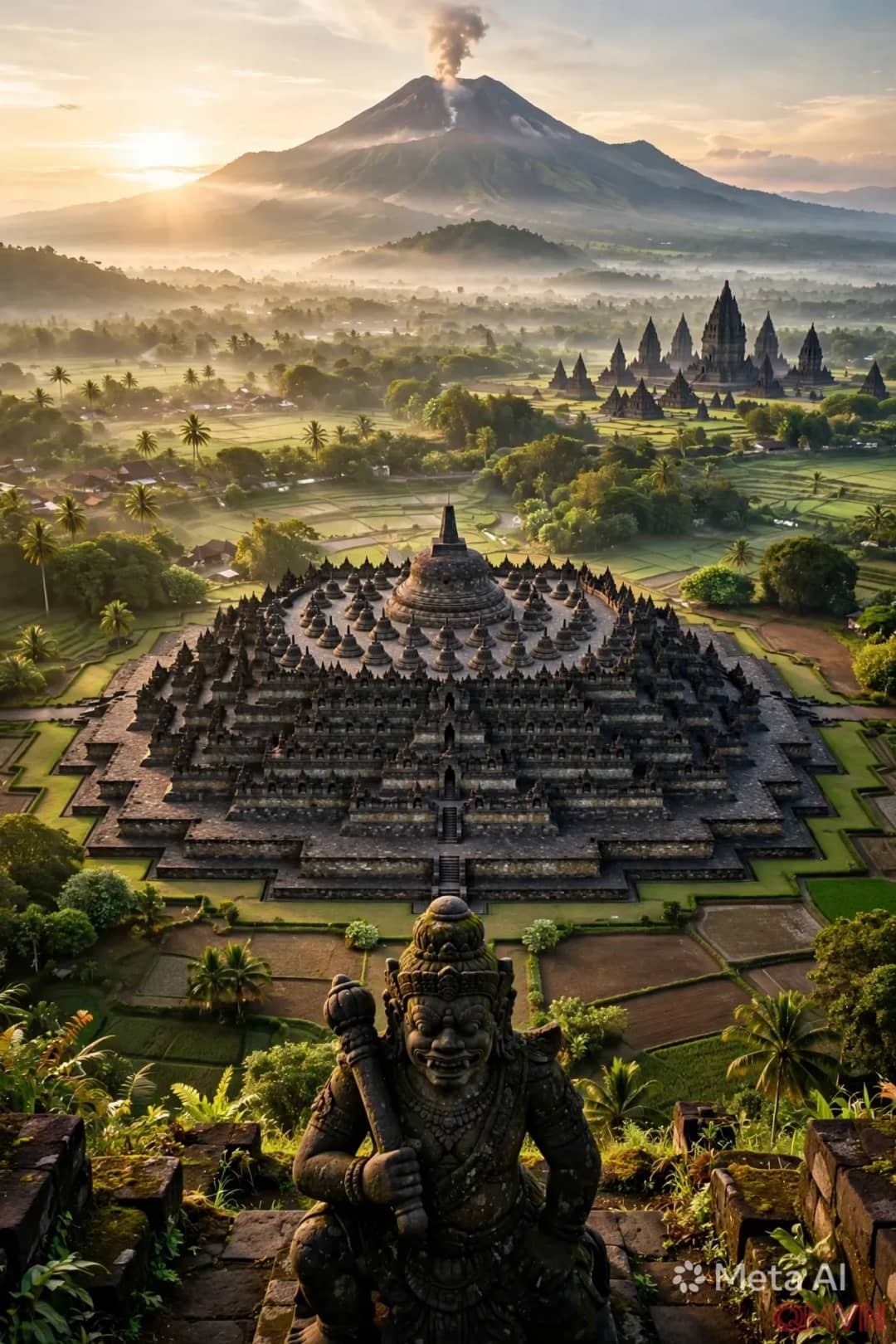
The historic centre itself was laid out in the mid-1700s along an auspicious line that places the Kraton, the Sultan's Palace, between the Indian Ocean to the south and the still-active Mount Merapi to the north, a design reflecting a link between earth and the heavens.
The Kraton and the water castle
The Kraton is an ideal starting point. Although Sultan Hamengkubuwono X and his family still live there, much of the complex is open to visitors, and the entry fee includes a guide who explains the rich symbolism of its pavilions, guardian statues and decorations.