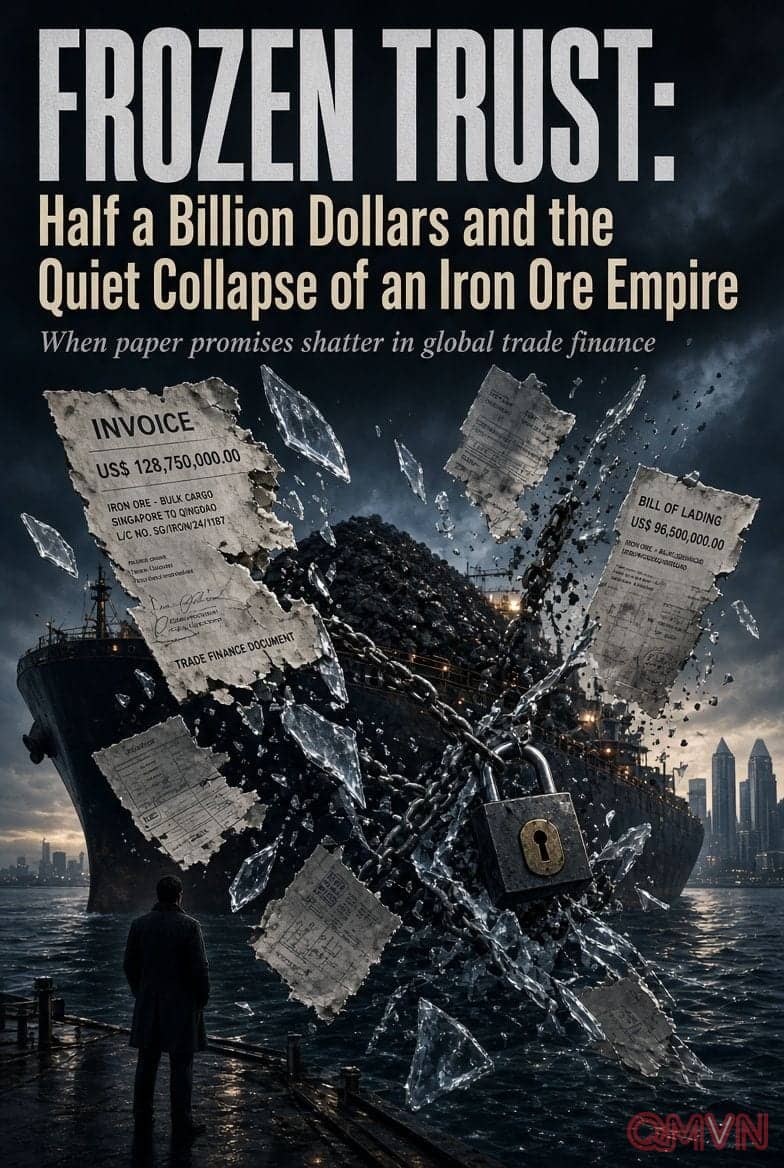
Iron ore is the silent lifeblood of the steel industry, essential for building homes, bridges, and machinery. Radiant World grew from a modest enterprise founded by Indian-born entrepreneur Pinkesh Nahar in the early 2000s. Starting with iron ore exports from India, the company expanded its network to China, Singapore, Europe, and the Middle East. By the fiscal year ending September 2025, its Singapore-based entity reported revenues around $9.6 billion, with annual iron ore volumes exceeding 80 million tons, according to the company's website. This rapid growth heavily relied on trade finance mechanisms: funds and banks advancing capital based on invoices, bills of lading, and transaction documents.
The Quiet Rise and Paper-Based Financial Model
The trade finance model itself became a vulnerability. Reports from Financial Times and Reuters reveal that LAM Trade Finance Group II, a fund managed by a Jefferies unit in which Jefferies holds a minority stake, began financing Radiant World in 2021 with an initial sum of about $35 million. Over the next four years, exposure escalated into the hundreds of millions. When Point Bonita fund (also within Jefferies' system) faced strong redemption pressures following the First Brands Group incident—where Jefferies disclosed risks around $715 million—it ceased renewing credit lines, intensifying liquidity pressures on Radiant World.