MAIN ARTICLE
Costs travel through the supply chain
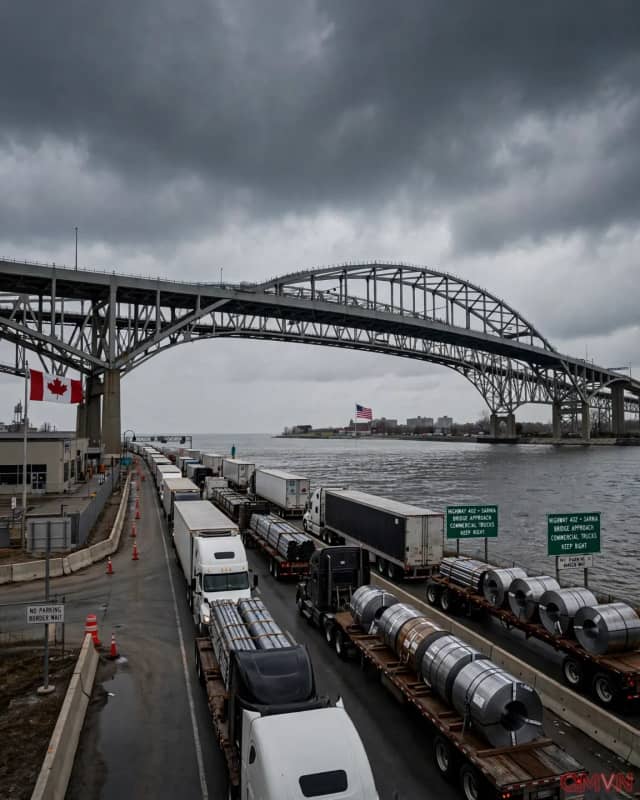
Reuters reported on October 28 that large companies faced higher energy, raw material and transportation costs linked to the US war on Iran. For businesses selling packaged food, drinks or detergent, pressure can arise at more than one point. Manufacturing and distribution both contribute to the cost of getting a product onto a shelf. The issue is therefore broader than the price of a single ingredient, even when one commodity attracts most public attention.
Not every input change appears immediately on a retail label. Inventories, purchasing agreements and distribution arrangements can produce different timings. This explains how costs may move through a chain; it does not establish that all the companies have identical contracts or face the same increase. A comment about conditions across an industry cannot provide a precise forecast for one product. The route from higher expenses to a shopper's bill depends on decisions made along the way.
Import tariffs imposed earlier were another pressure identified in the coverage. War-related costs and tariffs are nevertheless different components, rather than interchangeable descriptions of one charge. Assessing whether a price change matches the pressure requires company and product evidence. Difficult circumstances can help explain a commercial decision without proving that every new price is unavoidable. They also do not establish that competitors have the same ability to absorb costs or the same willingness to protect margins.