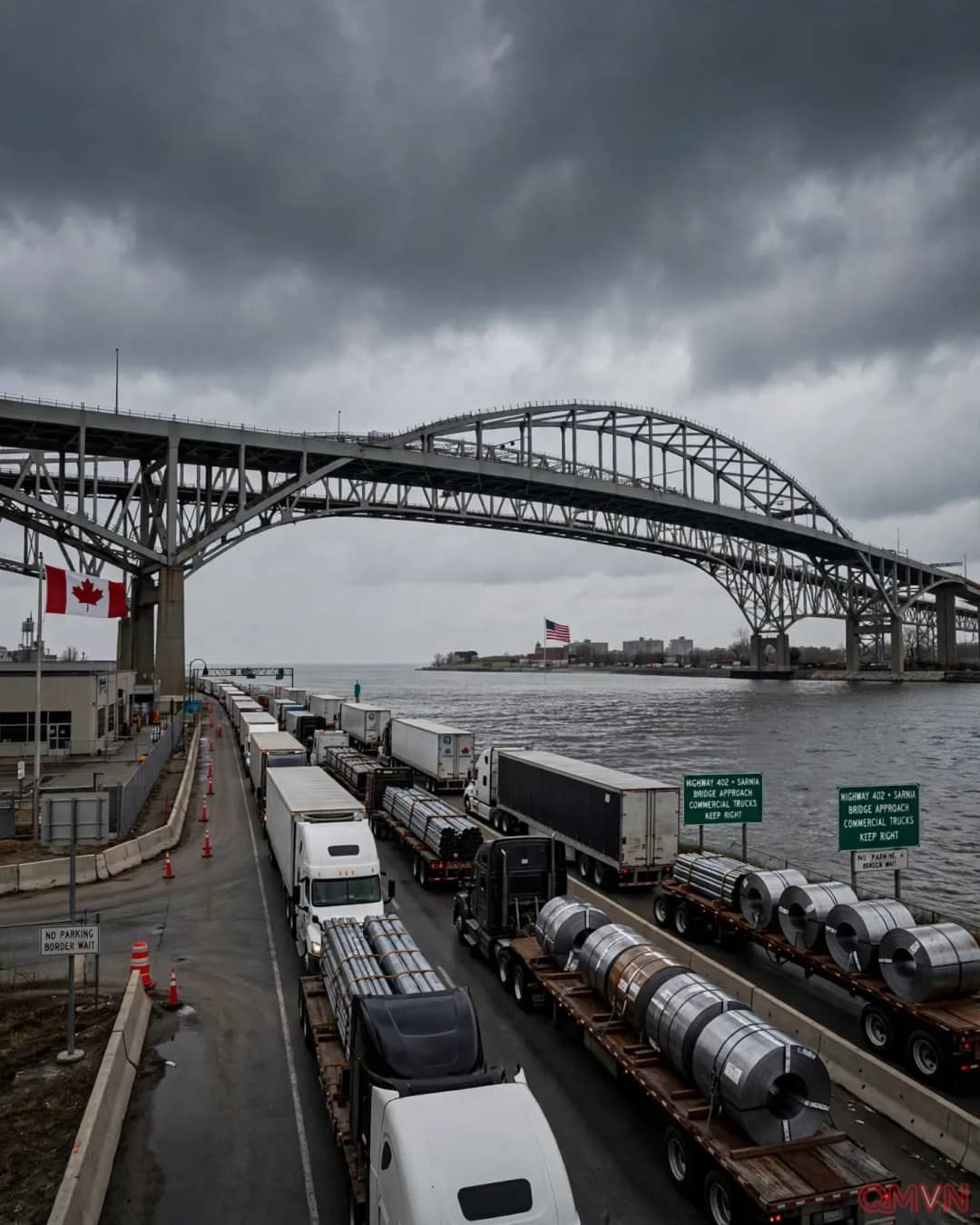
Persistent Deadlock At The Bilateral Negotiating Table
Despite public declarations regarding the resumption of high-level ministerial discussions, Canadian government representatives have confirmed that substantive breakthroughs regarding punitive tariffs remain elusive. Intense deliberations involving US Commerce Secretary Howard Lutnick, US Trade Representative Jamieson Greer, and Canada's Minister responsible for US trade Dominic LeBlanc have failed to bridge profound disagreements surrounding foundational trade terms.
“If those deals present themselves, we will pursue them, but we're not at that position right now.” — Mark Carney
International trade analysts emphasize that the enduring friction stems from fundamentally incompatible negotiating objectives between the historic allies. While Ottawa firmly demands a definitive mechanism for the total removal of discriminatory trade measures, Washington continues leveraging statutory tariff threats to compel concessions across protected domestic sectors, including agricultural supply management.
Section 232 Tariffs And The Severe Disruption Of Industrial Supply Chains
The core of the economic dispute centers upon aggressive levies deployed under Section 232 of the US Trade Expansion Act, encompassing duties of up to 50% on Canadian steel and 25% on automotive shipments. This punitive regime directly strikes the deeply integrated manufacturing networks that have sustained cross-border industrial development across the Great Lakes corridor for decades, endangering industrial employment and escalating production costs across North America.