MAIN ARTICLE
A message from a church in St John’s
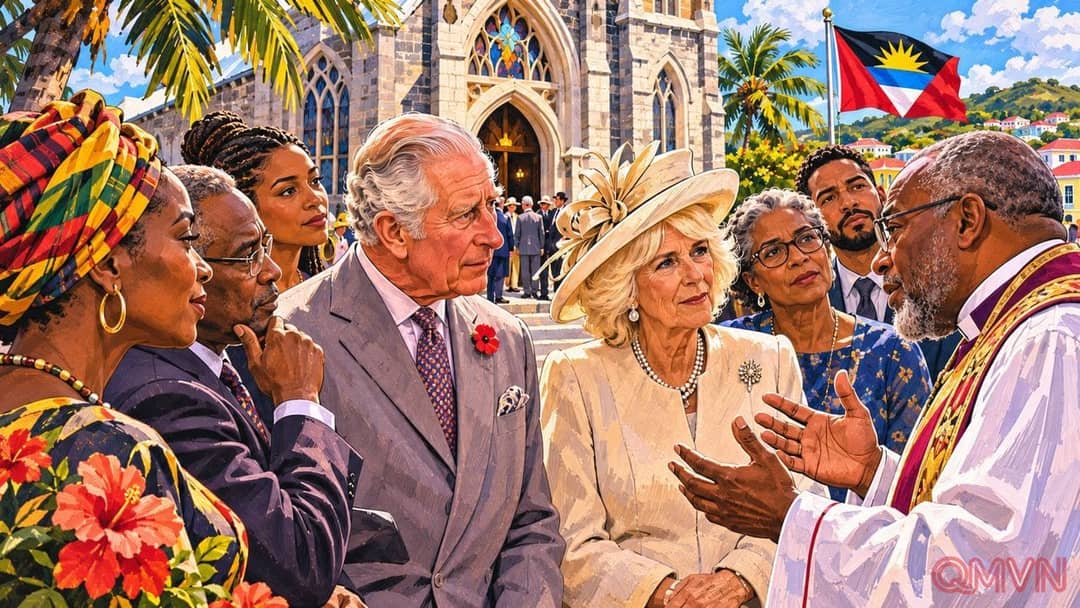
At an Independence Day church service in St John’s on November 1, Bishop Ernest Flemming challenged Commonwealth members to turn the language of cooperation into shared authority. Addressing a congregation that included King Charles III and Queen Camilla, he referred to smaller nations, young people, women, people with disabilities, Indigenous communities and those excluded from mainstream political life. His appeal went beyond the occasion: an association whose members differ widely in size and historical experience must make equality a routine practice rather than a ceremonial aspiration.
As reported by The Times and PA, Flemming emphasized respect, attentive listening and fairness as foundations of genuine cooperation. Partnerships cannot be assessed merely by the agreements signed or speeches delivered. For island states facing climate risks, public debt and economic uncertainty, that distinction is concrete. They want meaningful influence over policies affecting their futures, not simply a place in the audience while decisions are made by larger governments.
The service formed part of the celebrations marking independence in Antigua and Barbuda, including a parade at Sir Vivian Richards Stadium. The ceremonial warmth of the royal visit did not eliminate an increasingly direct political debate. Charles occupies several roles at once: sovereign of Antigua and Barbuda, monarch of the United Kingdom and head of the Commonwealth. Each invites different expectations, especially when the conversation turns to the legacies of empire.