A consequential change in the prosecution
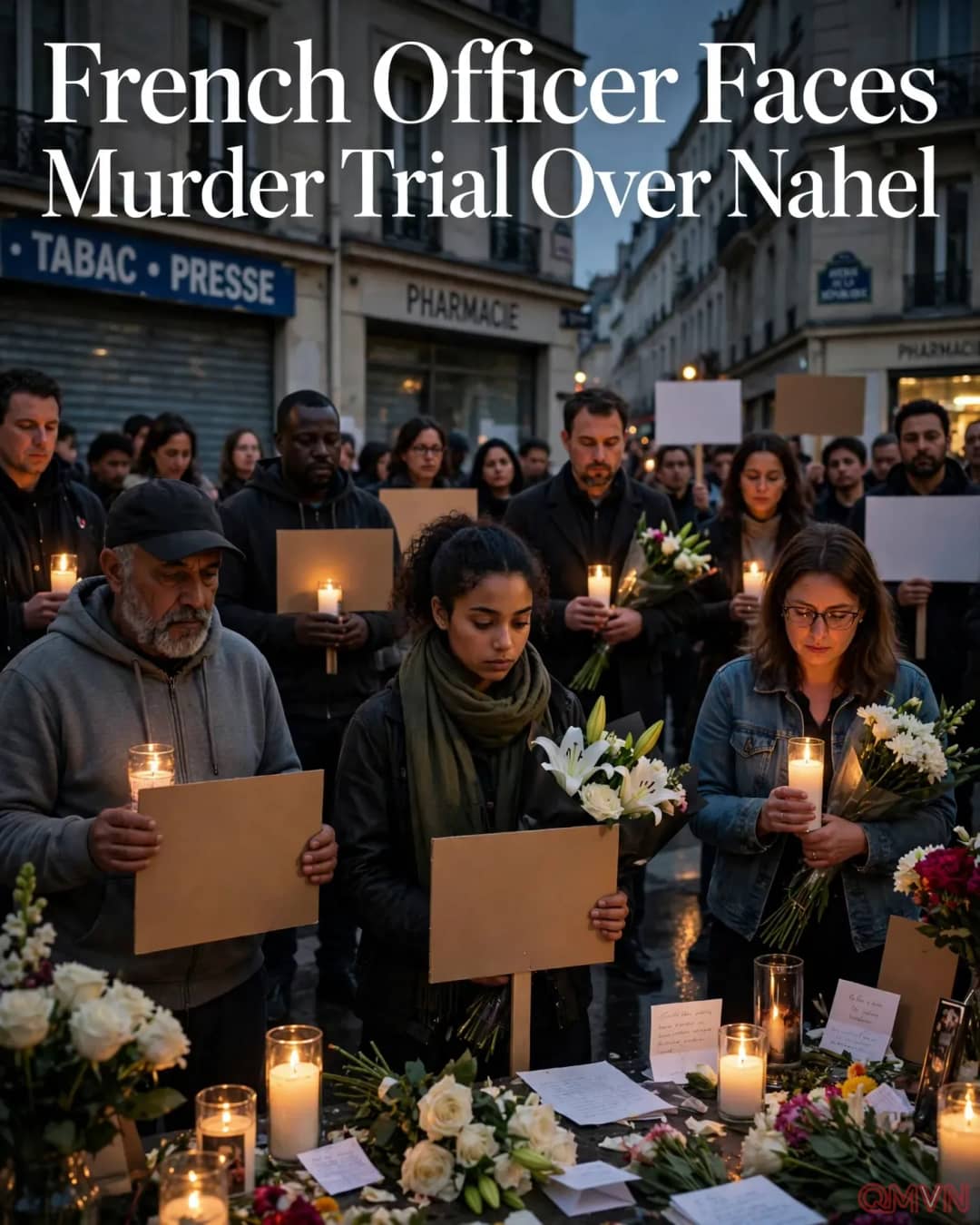
The ruling reverses the direction taken in March 2026, when the Versailles court referred the officer for trial on a charge of intentional violence resulting in death without intent to kill. A successful challenge before France’s highest court led to renewed examination. Le Parisien reported that investigating judges had originally ordered a murder trial in June 2025, following two years of investigation. The latest decision therefore represents a procedural change rather than a new verdict on the events themselves.
The legal distinction matters because the prosecution must establish homicidal intent for murder. According to Reuters, the maximum penalty for that offence is 30 years of imprisonment, compared with 15 years for the lesser charge. Those limits describe possible sentences, not a prediction. The eventual court must assess the evidence, the defence arguments and the legal conditions governing the use of force. Public anger cannot substitute for that examination, just as professional status cannot automatically settle criminal responsibility.
Evidence and the right to challenge
Video evidence brought the 2023 encounter to national attention. Its circulation helped people question early accounts and demand a transparent investigation. Yet a recording, however important, is only one part of a criminal case.