MAIN CONTENT
An established factory offers a different path
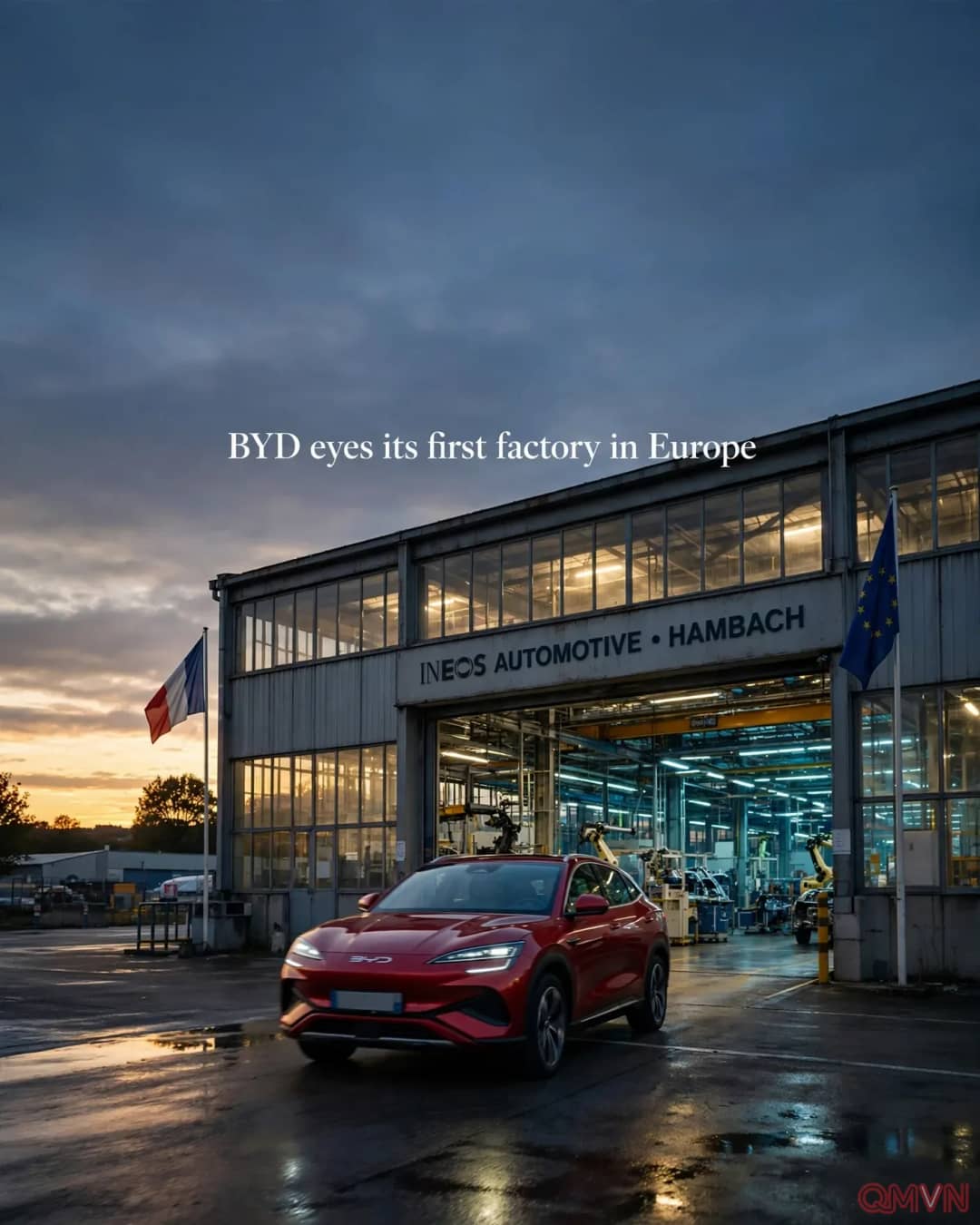
An industrial acquisition is fundamentally different from building a factory from scratch. Existing premises, experienced employees and connections to suppliers may shorten the path to production. But the buyer must still assess whether equipment, manufacturing processes and workforce skills match its future product range. The proposed Hambach transaction illustrates why an available industrial asset can become strategically important when a manufacturer is expanding abroad.
BYD confirmed the negotiations in a corporate announcement on November 24. Neither a final purchase price nor a binding production programme was established in the information reviewed. Exclusive negotiations indicate serious interest, not a guarantee of completion. The consultation process is particularly significant for employees whose future working conditions and responsibilities may depend on the eventual agreement.
A new geography of competition
European industrial policy increasingly concerns the location of economic activity, rather than simply the nationality of a carmaker. Reuters reported that proposed European content requirements would link eligibility for subsidies and public contracts to local production inputs.
If adopted, such provisions could influence sourcing decisions alongside tariffs, transport expenses and access to customers. However, owning a factory would not automatically establish compliance with rules that are still being developed.
The challenge for a manufacturer is to build a commercially viable network. A factory may assemble vehicles locally while relying on imported batteries, electronic components or other inputs. Greater local sourcing could bring economic benefits to suppliers, but it may also require investment and time. The final design of European policy will therefore matter as much as the location of an assembly line.
Workers and suppliers are central to the transition
For communities around Hambach, industrial investment is not an abstract question about international trade. It concerns employment, training and the prospects of businesses that serve a factory. Existing industrial skills can be valuable during the transition to electric mobility, although a change of product may require new training and adjustments to production methods. A meaningful consultation process can clarify these implications before decisions become irreversible.
European manufacturers also face a complex competitive landscape. Foreign investment could sustain industrial activity and encourage innovation, while established firms may worry about intensified competition. Consumers could benefit from greater choice, but sustainable competition requires attention to product quality, service networks and long-term costs. The proposed acquisition alone cannot determine those outcomes.
What to watch next
The next milestones are concrete: the outcome of consultations, confirmation of any sale, and disclosure of investment, production and employment plans. BYD's announcement should be read alongside its separate Hungarian project, rather than as proof that every aspect of its European expansion has already been settled. The company's strategy will ultimately be judged by implementation, not simply by the number of sites it announces.
The broader issue is whether European industrial policy can attract investment while maintaining fair competition and meaningful domestic economic activity. France's prospective role in BYD's network offers a useful test of that balance. It is too early to draw conclusions about the final transaction, but the negotiations demonstrate how automotive competition increasingly extends beyond vehicle design and showroom sales.