China in the crosshairs
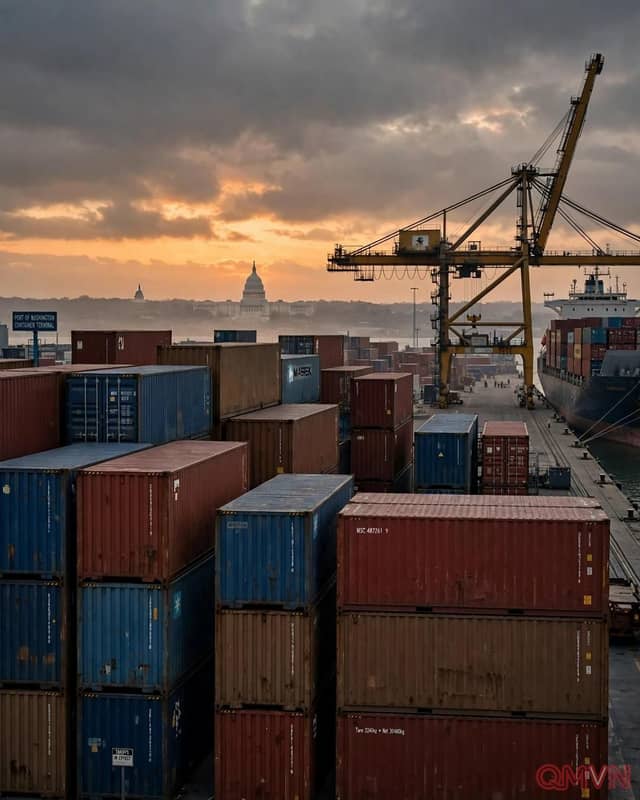
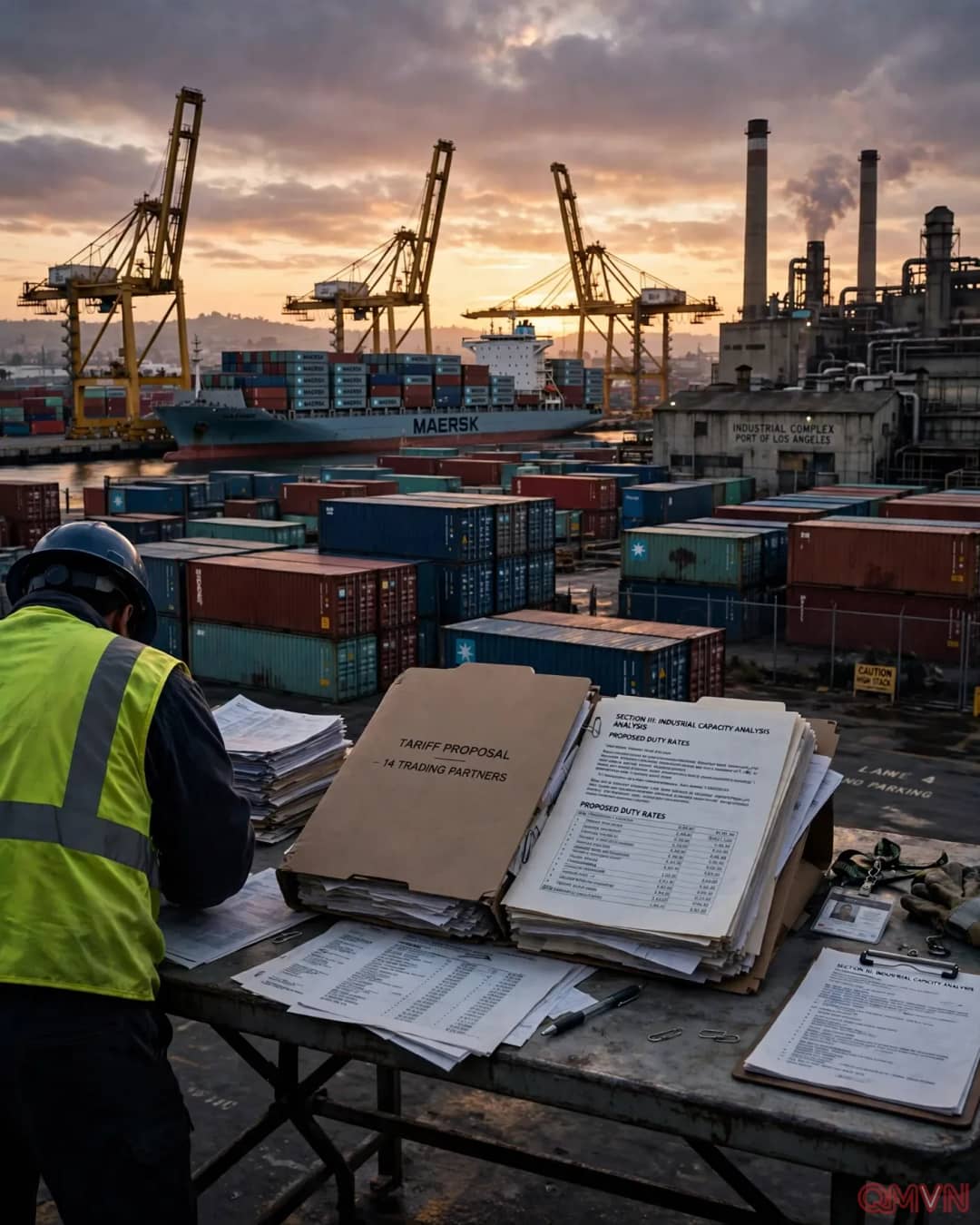
Washington's proposal targets 14 economies it says maintain production capacity far beyond domestic and global demand, leading to large and persistent trade deficits with the United States. China faces the highest rates.
Beijing has previously rejected the overcapacity charge, calling it a "false proposition" and opposing all unilateral tariff measures.
Not a second "Liberation Day"
Sarah Ying, head of FX strategy at CIBC Capital Markets, said most of the Section 301 tariffs were well expected. In her view, it is an adjustment after the investigations, aimed at filling the gap left when tariffs based on the IEEPA law were struck down.
This isn't a Liberation Day 2.0.
Ying noted that the key lies in the details: as she understands it, for countries that already have a trade deal, the US has agreed to honour the rate caps that were negotiated.
Europe awaits clarity
Andrzej Szczepaniak, senior European economist at Nomura, said the earlier expectation was that the US-EU deal with a 15% general ceiling would stay in place, except for goods such as steel and aluminium.
However, he said the new headlines suggest at first sight that the US may raise both the minimum tariff and the general ceiling, though more detail is needed to confirm it.
Markets preoccupied with AI
Aneeka Gupta, equity strategist at WisdomTree, said markets are still grappling with doubts over tech capital spending plans, and the last thing investors needed was to see Trump rebuilding the tariff regime. Even so, with attention fixed on tech, the reaction to tariffs has been muted.
Lee Hardman, senior currency analyst at MUFG, said the move was not surprising and unlikely to be a big market mover. Because it mostly replaces similar rates, it should not have a major effect on the inflation outlook.
The test of time
According to Hardman, the next thing to watch is whether the new tariffs can withstand legal and political challenges.
For trading partners, the larger question is whether the deals they signed with Washington truly shield them from new tariffs, or are merely a temporary stop.