MAIN CONTENT
Smallest percentage increase since 1986 and Gazipur highway clashes
Around 2 a.m. on Wednesday, November 25, 2026 (2000 GMT), following nearly 12 hours of talks between worker and employer representatives, Bangladesh's government-appointed wage board approved the new pay structure in a 4-2 vote. Workers' representative Babul Akhter said four members backed the 17,000 taka ($138) minimum wage while two supported the 18,000 taka demand—which workers had lowered during negotiations from an initial call for 32,000 taka ($257).
Under the four-grade pay structure effective December 1 and paid from January, monthly wages range from 17,000 taka for Grade 4—4,500 taka above the 12,500 taka minimum set in 2023—up to 21,500 taka for Grade 1. The 36% hike represents the smallest percentage increase since the sector's first minimum wage was introduced in 1986, trailing increases of 56% in 2023, 51% in 2018, and 77% in 2013.
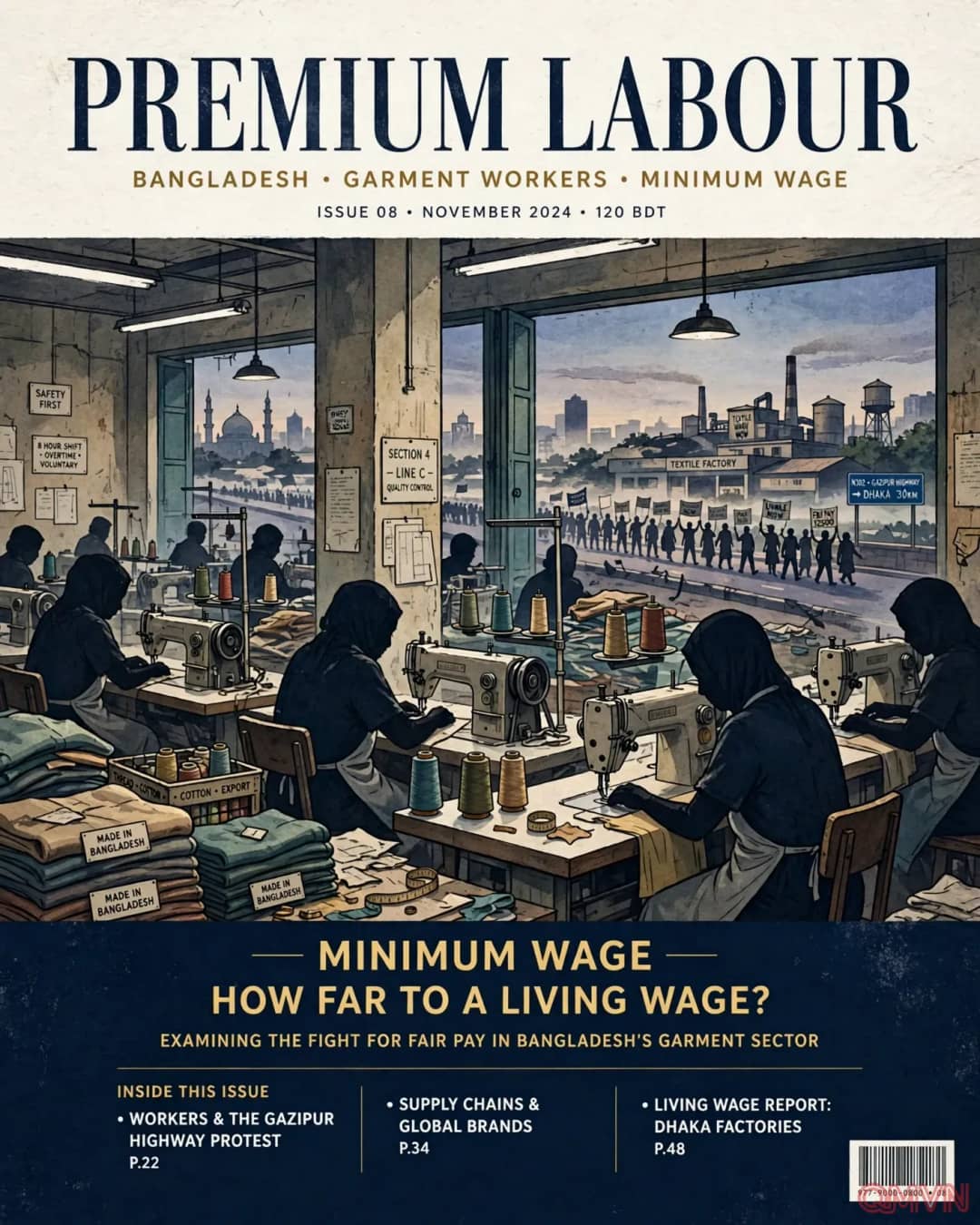
The announcement failed to calm unrest, as workers blocked a major highway in the garment manufacturing hub of Gazipur on the outskirts of Dhaka on Wednesday, prompting police to fire tear gas and sound grenades to disperse protesters.
"These negotiations result in poverty wages time and time again" — Anne Bienias, Clean Clothes Campaign's living-wage coordinator.