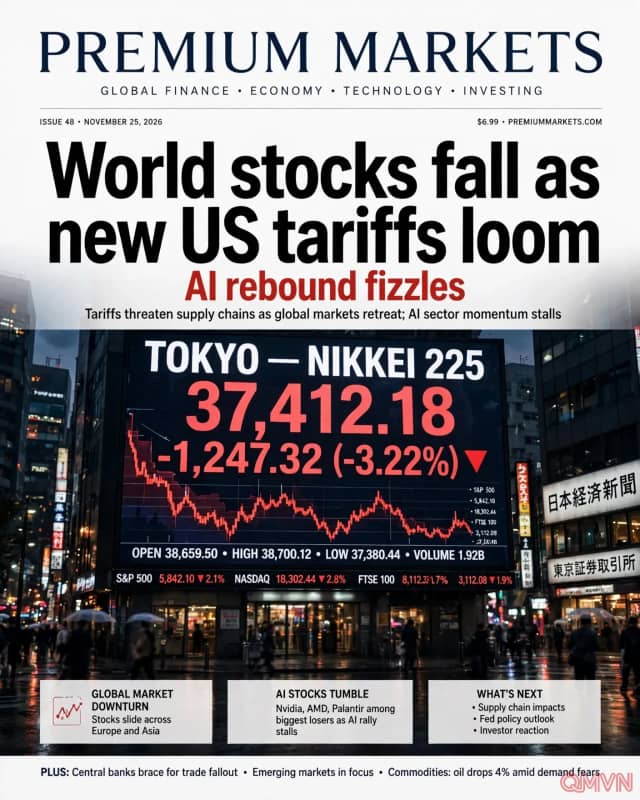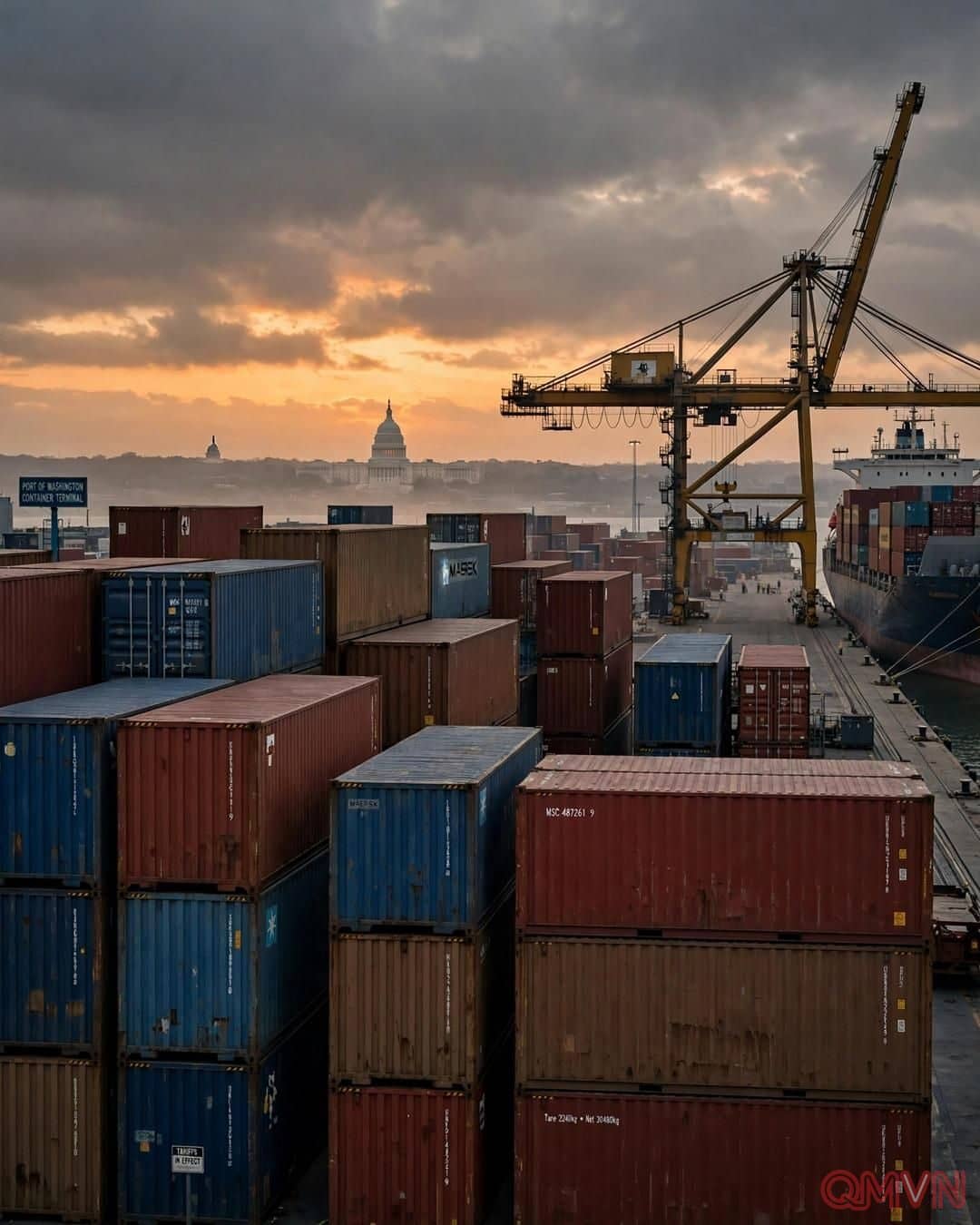
A new legal route for trade protection
The November initiative reflects a change in legal mechanism rather than a departure from the administration’s trade priorities. In March, the Office of the United States Trade Representative (USTR) opened investigations into manufacturing capacity across 16 economies. Its published explanation identified subsidies, preferential financing and barriers to market access among the policies that could sustain production beyond economically justified levels. The inquiry was designed to establish whether such practices burden American commerce, not merely whether foreign factories are larger or more productive than American ones.
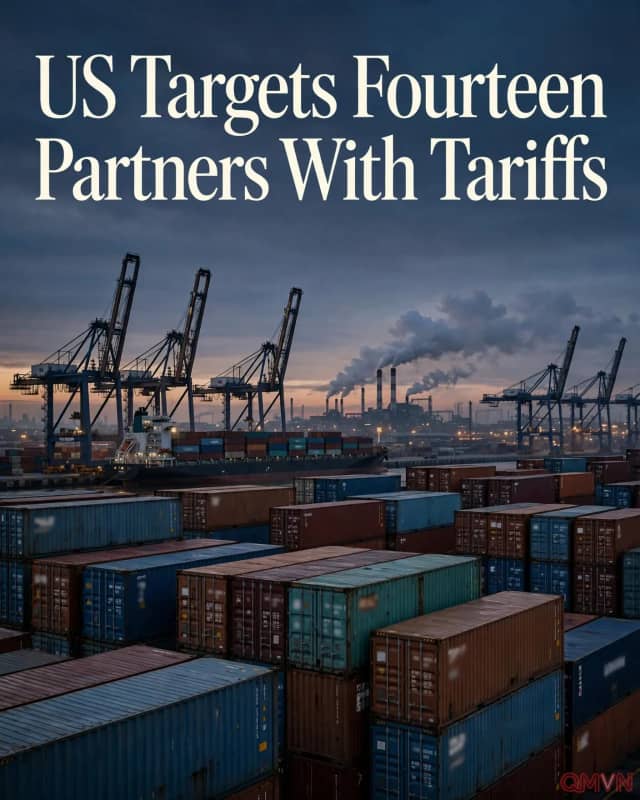
The proposed measures cover China, Bangladesh, Cambodia, the European Union, India, Indonesia, Japan, South Korea, Malaysia, Singapore, Switzerland, Taiwan, Thailand and Vietnam. Mexico and Norway are not included at this stage. Reuters reported that the administration envisages a maximum new rate of 20% for China, subject to existing arrangements. The distinction between a proposal and an enforceable customs measure remains essential.
Why the headline rate is not the whole story
The economic burden of tariffs depends on their relationship with existing duties. According to Reuters, Washington intends to respect negotiated ceilings, including 15% for the European Union, Japan, South Korea and Taiwan, and 19% for Malaysia.