MAIN CONTENT
An election victory creates two different kinds of power
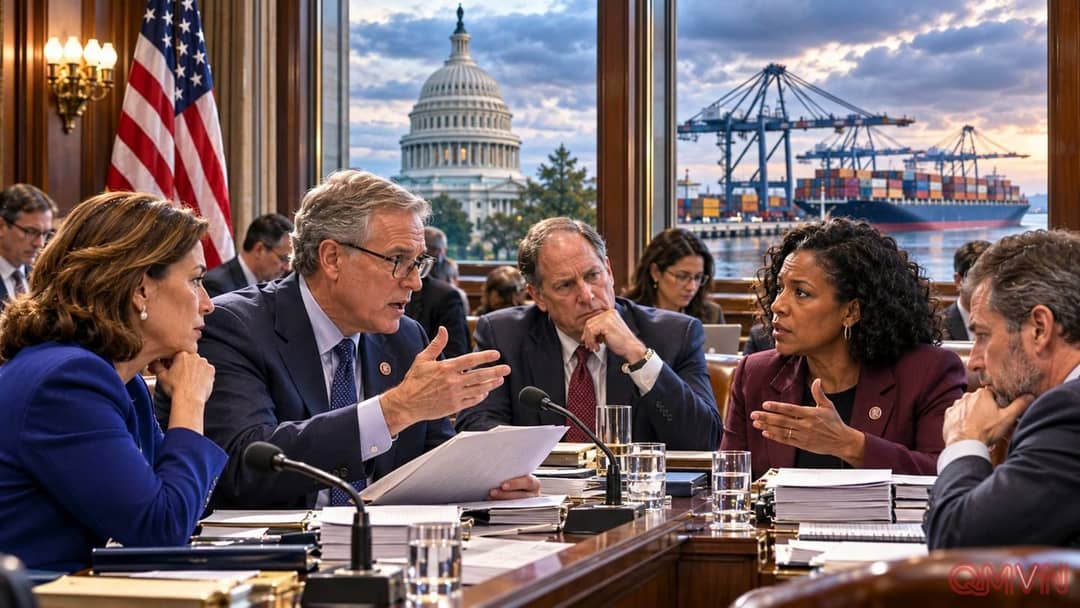
In Washington, a committee chairmanship can fundamentally change which questions receive answers. Once Democrats take charge of the panels overseeing taxes, finance and trade, they can summon witnesses, seek documents, investigate decisions and give smaller businesses a national platform. A hearing on tariff exclusions, for instance, could force officials to explain why one importer received an exemption while another faced higher costs. Hearings do not automatically lower a customs duty, but they can make previously opaque choices politically expensive.
Oversight, however, is not the same as executive control. Many tariff authorities derive from statutes adopted decades earlier, giving presidents discretion under specified conditions. The Congressional Research Service notes that Congress retains constitutional power over commerce and revenue, even though it has delegated substantial authority to the presidency. That division matters more than party labels: winning both chambers does not by itself withdraw powers already embedded in law.
The daunting arithmetic inside Congress
Senate procedures establish the next obstacle. Ordinary legislation generally needs 60 votes to end a filibuster, unless a special exception applies. If a bill revoking tariffs reaches Trump's desk and is vetoed, overriding him requires two-thirds of members voting in both chambers.