MAIN CONTENT
Why physical presence suddenly matters
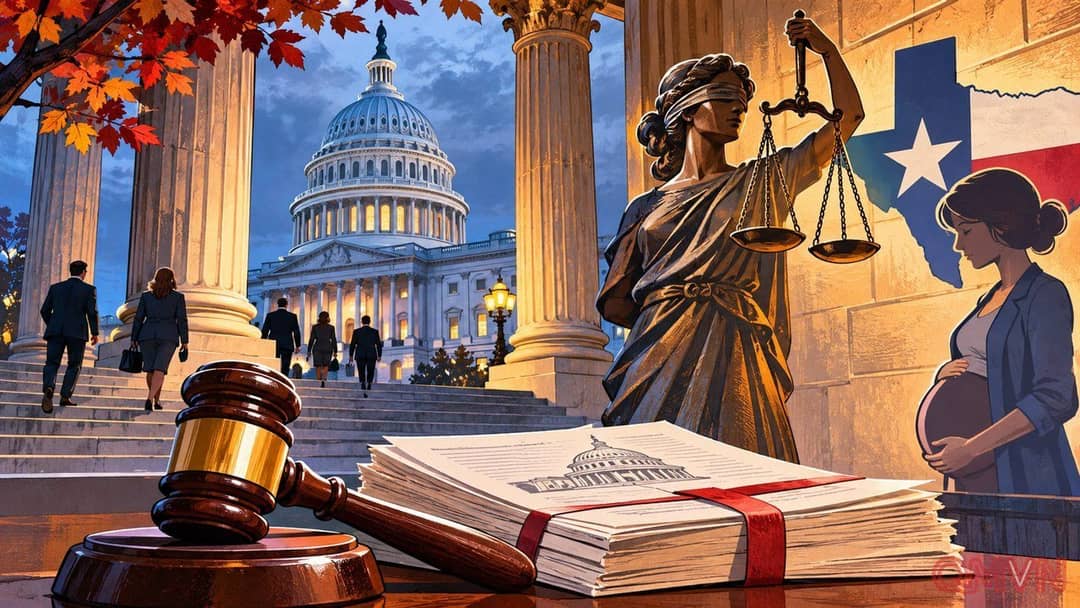
When the pandemic disrupted travel and gathering in 2020, House Speaker Nancy Pelosi backed a rule permitting members to designate colleagues to cast votes for them. Adopted in May that year, proxy voting was defended as a way to keep representative government operating without requiring hundreds of lawmakers to occupy the same chamber. In December 2022, the House approved a major spending bill by 225 votes to 201, with 226 members voting by proxy. Those figures later became central to Texas's challenge.
The Constitution's Quorum Clause requires a majority of each chamber to be present to conduct business. The Fifth Circuit majority interpreted presence to mean lawmakers assembled in person, rather than represented by another member carrying voting instructions. It argued that the House's broad authority to set its own rules does not extend to changing a constitutional prerequisite. An emergency accommodation therefore became a test of the boundary between procedural flexibility and the higher law governing Congress.
A one-vote judicial divide
Judge Cory Wilson wrote for the nine-judge majority, emphasizing the constitutional text, institutional history and longstanding legislative practice. In that reading, the legislature may choose many procedural arrangements, but not one that treats absent members as present for establishing a quorum.