MAIN CONTENT
An alarm over the Saudi capital
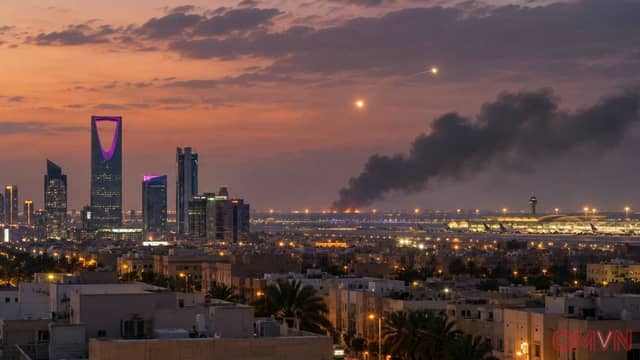
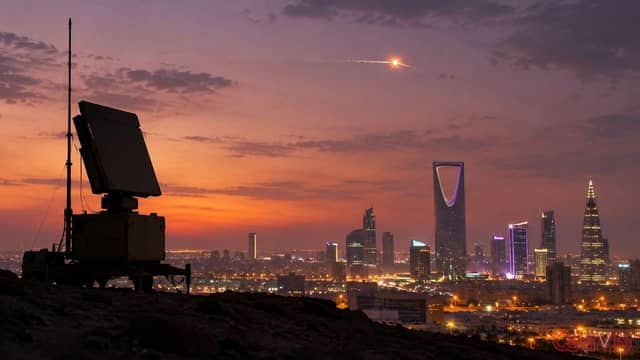
According to the Saudi-led coalition’s November 21 statement, its air defences intercepted three ballistic missiles directed toward Riyadh. A Reuters witness saw a projectile cross the sky and leave a smoke trail before hearing an explosion. That account conveys the atmosphere on the ground, but it cannot independently establish the location of every interception or the technical outcome of each engagement.
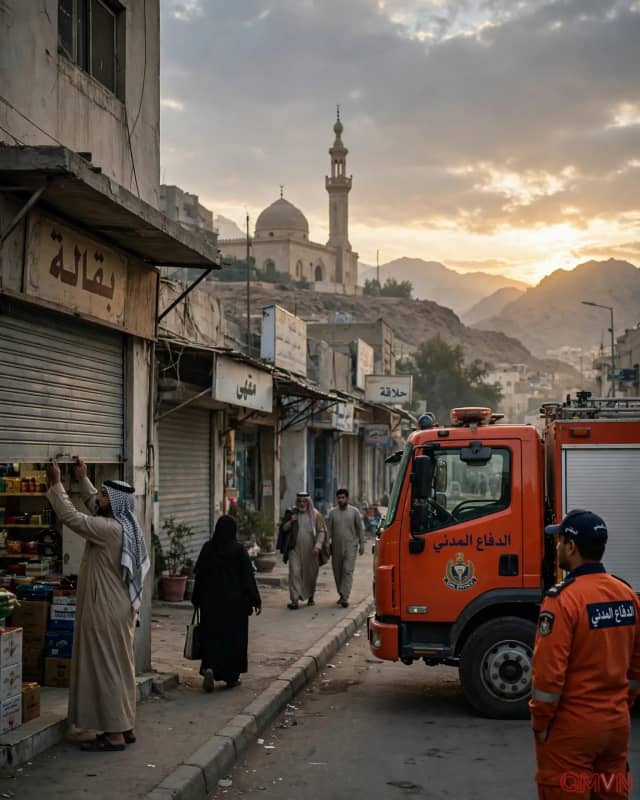
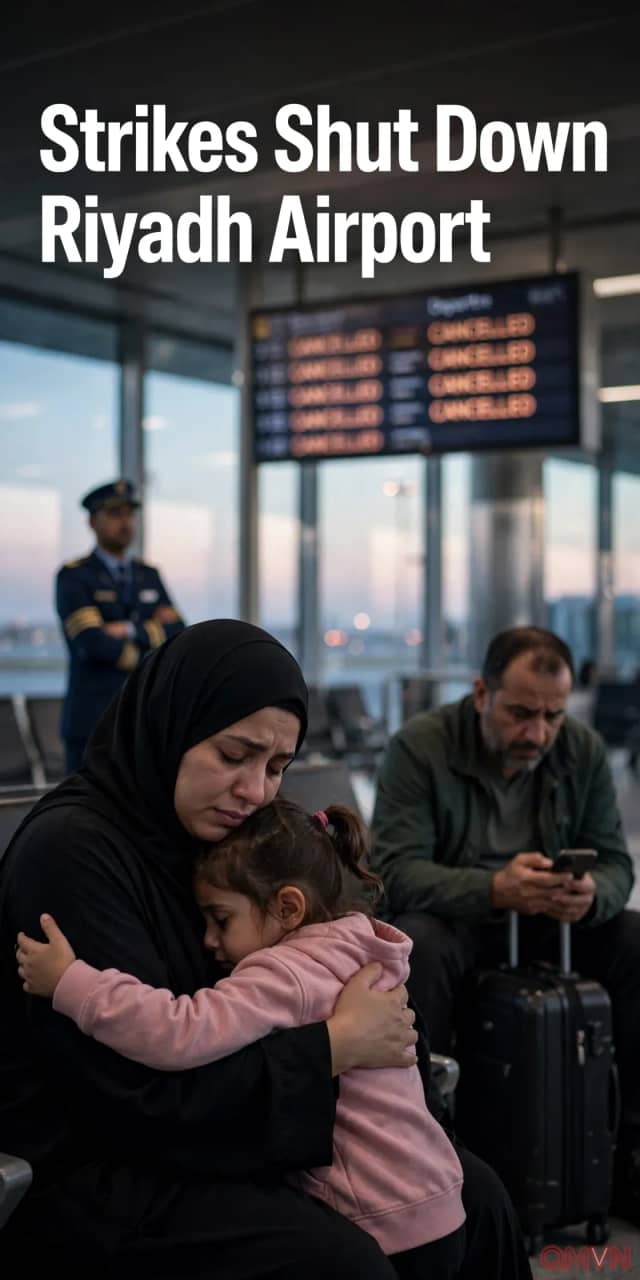
Initial reports did not offer a comprehensive assessment of casualties or property damage from the latest incident. The coalition’s statement therefore needs to be distinguished from details awaiting independent verification. A successful interception does not eliminate danger: falling fragments, emergency alerts and disrupted journeys can still affect a densely populated capital.
A financial landmark becomes vulnerable
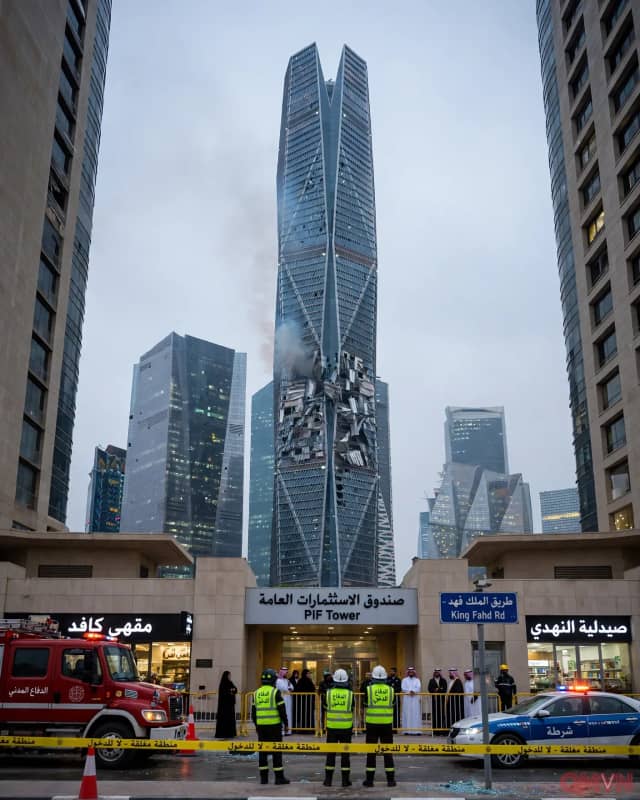
The latest alarm followed an attack on November 19 that damaged the Riyadh tower housing the Public Investment Fund, Saudi Arabia’s sovereign wealth institution and a key pillar of its economic diversification ambitions. Reuters and The Wall Street Journal reported damage to the prominent skyscraper. The strike made the conflict feel less distant from the kingdom’s business and civic life.
High-rise offices, airports and energy facilities matter for more than their financial value. They help sustain investor confidence and the everyday sense of public security. When missiles appear above a commercial centre, psychological consequences may spread even before damage assessments are complete. At the same time, one dramatic incident should not be treated as proof that the kingdom’s entire defence network has failed.
Retaliation stretches from Hodeidah to Sanaa
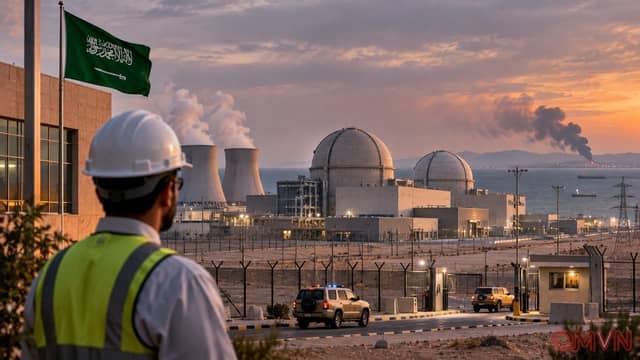
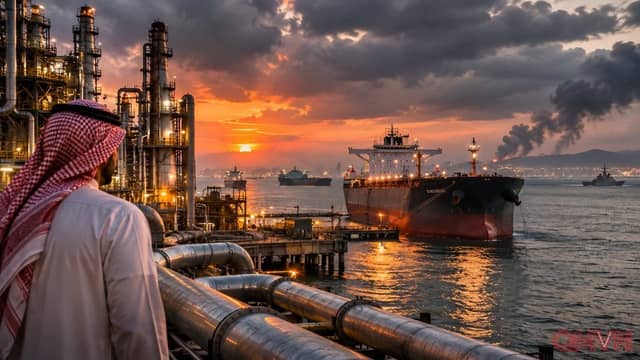
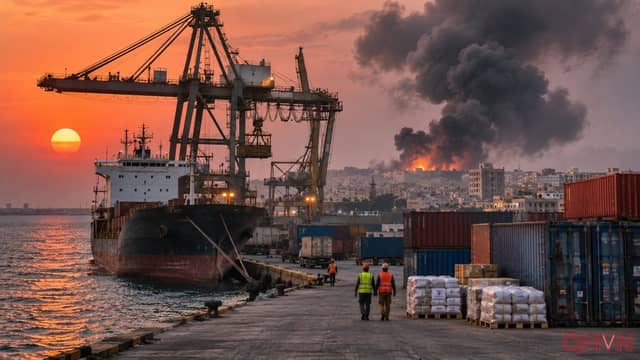
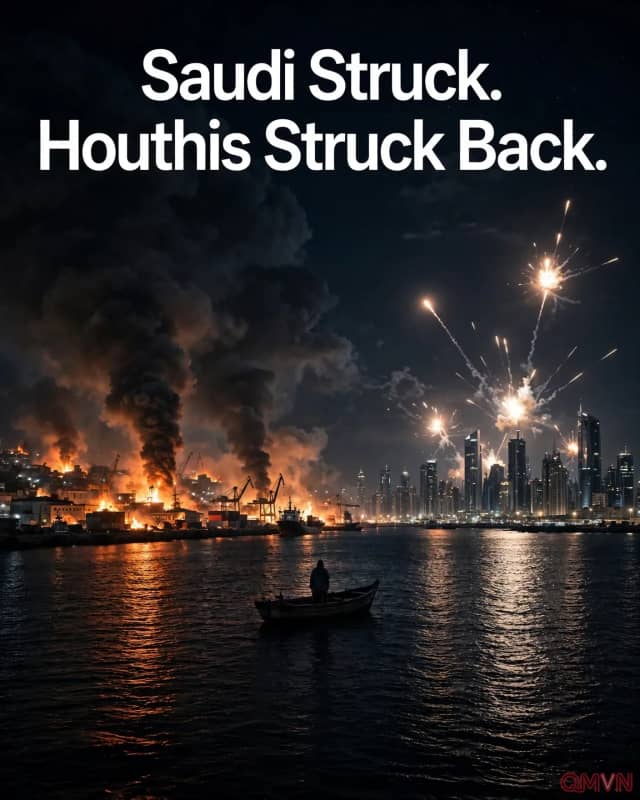
On November 20, the coalition said it had struck the Red Sea port of Hodeidah and facilities connected to Houthi missile and drone capabilities in Sanaa. The Houthis, meanwhile, threatened Saudi ports on the Red Sea, warned airlines away from Saudi airspace and claimed attacks on a power station and a port in the kingdom’s south.
Claims made by belligerents require independent scrutiny, particularly when the target and scale of damage are disputed.
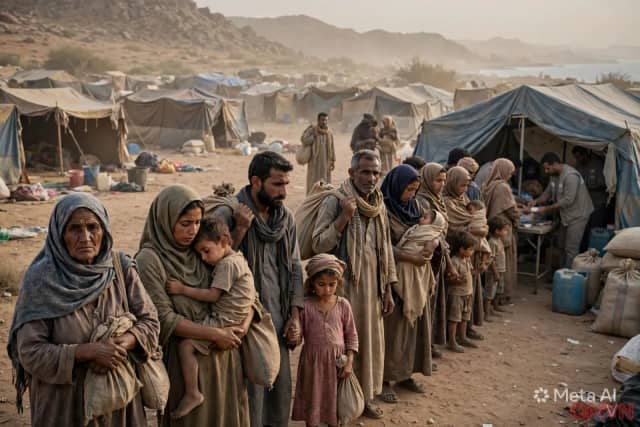
Each operation portrayed as deterrence can become the stated justification for another round of retaliation. Hodeidah is also an important commercial and humanitarian gateway for Yemen. A prolonged interruption to port activity or transport routes could make essential supplies harder to deliver, deepening hardship for families already worn down by years of conflict.
A domestic war beneath a regional shadow
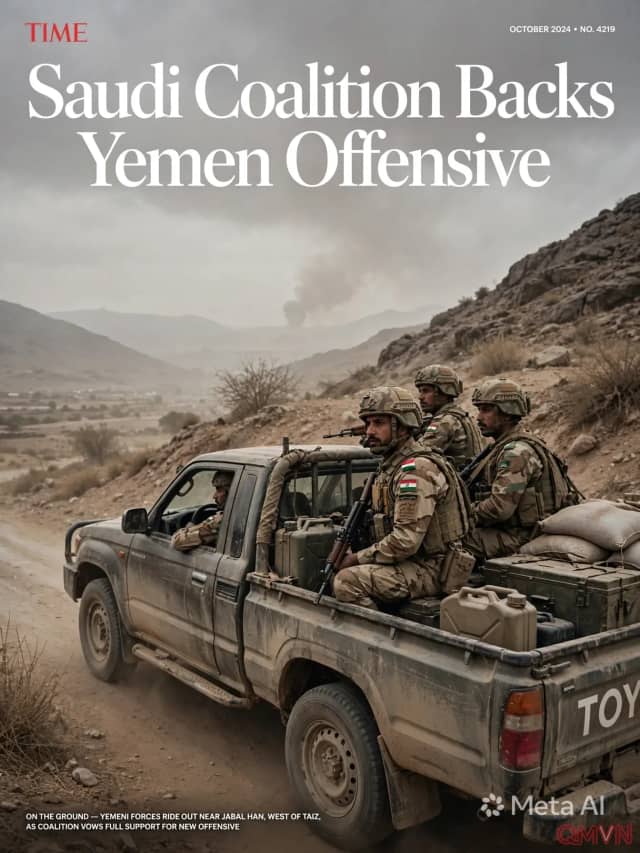
The Associated Press has described the renewed fighting in Yemen alongside a broader conflict involving Iran and attacks on Gulf infrastructure. That overlap does not prove that every military operation is centrally directed. Nevertheless, the Houthis’ ties to Iran and Saudi Arabia’s security partnership with the United States ensure that a launch toward Riyadh attracts attention far beyond the two countries’ border.
Riyadh must protect civilians, critical energy installations and the credibility of an economy seeking international investment. For Yemen, the immediate questions concern lives, food supplies and whether a political process can be restored. When these priorities are not addressed together, battlefield successes are unlikely to mature into lasting security.
The remaining room for diplomacy
A path away from escalation would begin with reducing cross-border attacks, establishing reliable accountability when civilians suffer and keeping humanitarian supply lines open. Previous UN-mediated efforts to lower the level of fighting in Yemen demonstrate that negotiated restraints can matter, even if territorial control and political legitimacy remain contested.
The next meaningful indicators are verified launch and damage reports, the operational status of Hodeidah, and the response of parties able to mediate. Riyadh’s residents need clear security information, while Yemen’s civilians need protection from another cycle of strikes and restrictions. Restraint by decision-makers may ultimately be as significant as the performance of missile defences overhead.