MAIN REPORT
When there is no answer, families become trapped between two realities
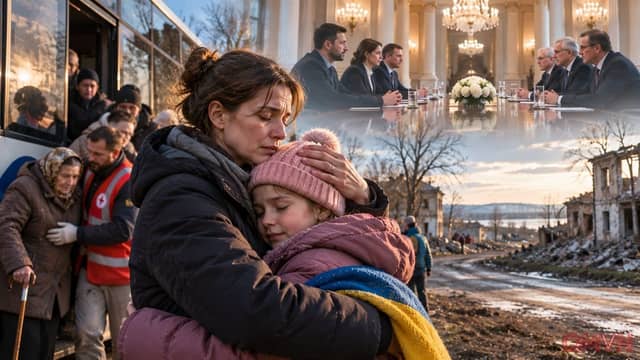
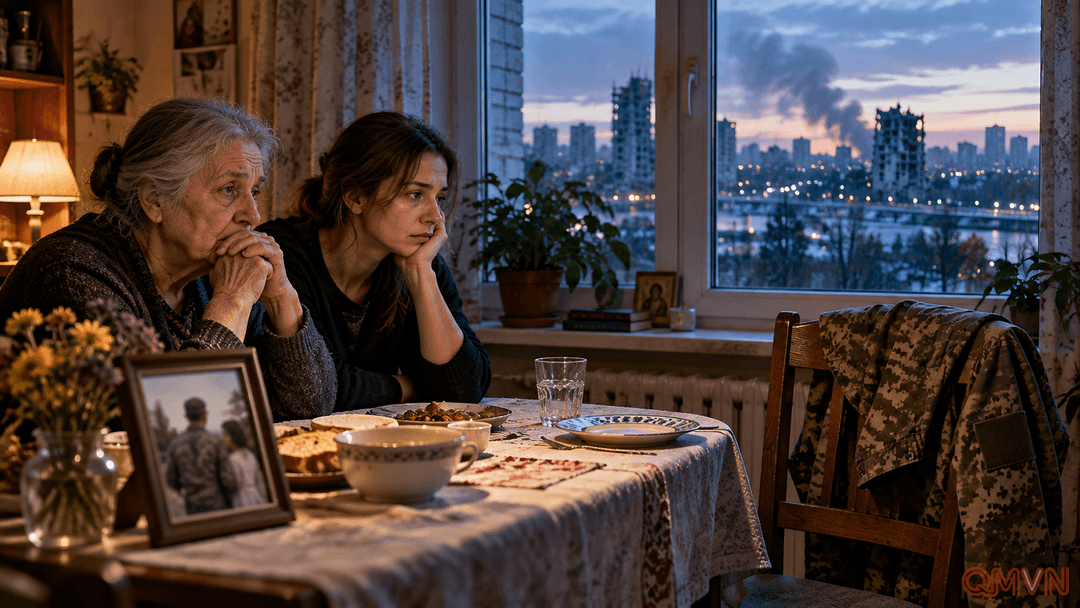
Unlike a confirmed death, disappearance forces a family to inhabit a condition that has no clean name. A mother may hear from comrades that her son was killed in an explosion yet still believe something else might have happened in the smoke. A wife may complete legal paperwork and try to move forward while her in-laws preserve a bedroom exactly as it was. Uncertainty allows hope and despair to coexist, stretching grief into a process with no natural ending.
Researcher Pauline Boss coined the term “ambiguous loss” for this experience. The person is physically absent, yet death is unconfirmed; the family therefore lacks a factual threshold around which to organize acceptance. ICRC staff say many relatives keep searching for years. Clothes, perfume, notebooks, poems or an untouched place at the dinner table can become the last tangible connection to someone who is no longer present.
The ICRC acts as a bridge in a war where the two sides can barely communicate directly
The ICRC’s Central Tracing Agency Bureau for the Russia-Ukraine conflict was established in 2022 to collect, cross-check and transmit information about missing military personnel and civilians. By the end of August 2026, the ICRC said about 274,000 people were still missing, it had made more than 814,000 contacts with families and had informed over 18,300 families about the fate or whereabouts of loved ones.