MAIN ARTICLE
From family reunifications to a humanitarian corridor
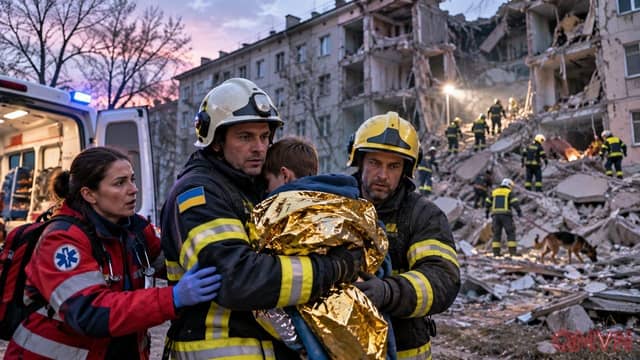
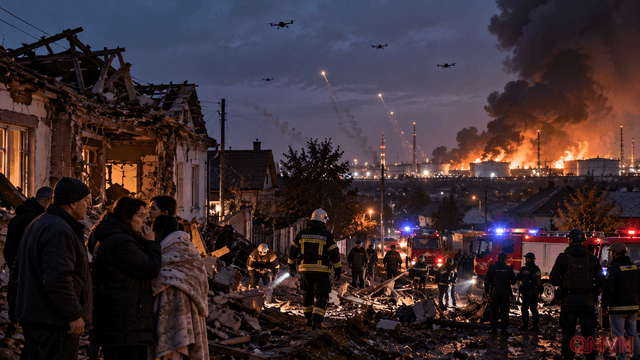
Melania Trump did not begin with a sweeping plan to settle the war. According to White House statements and Reuters reporting, her interest first centered on children separated from relatives during the fighting. Contacts developed through those reunification efforts later became useful when attention turned to the plight of civilians stranded in Oleshky, where drones, mines and disrupted supply routes had made access increasingly dangerous.
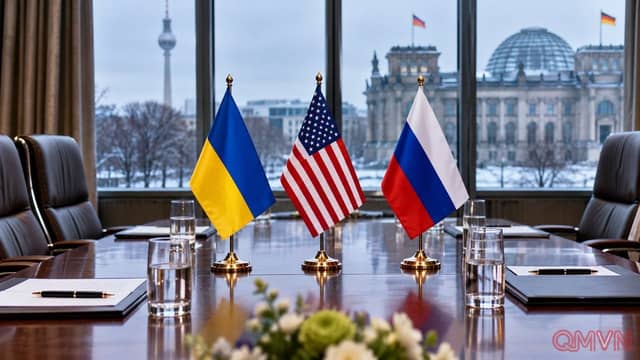
Ukraine’s human rights commissioner, Dmytro Lubinets, and Russian counterparts had sought a mechanism to let residents leave. A November 22 investigation by The New York Times described how Beckman, the first lady’s longtime representative, assisted with particular obstacles between negotiators. His intervention complemented, rather than supplanted, direct discussions involving humanitarian and intelligence officials from both countries.
The White House publicized an agreement in October and described plans for safe deliveries and departures. Initial announcements used differing proposed start dates, while subsequent Reuters coverage placed the six-day operation from October 27 through November 1. The achievement lay less in a celebratory announcement than in turning politically sensitive contacts into a workable timetable for people whose lives were at risk.