MAIN ARTICLE
Fourteen hours beneath the concrete
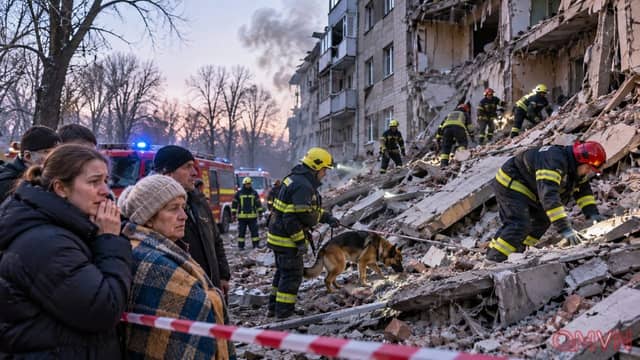
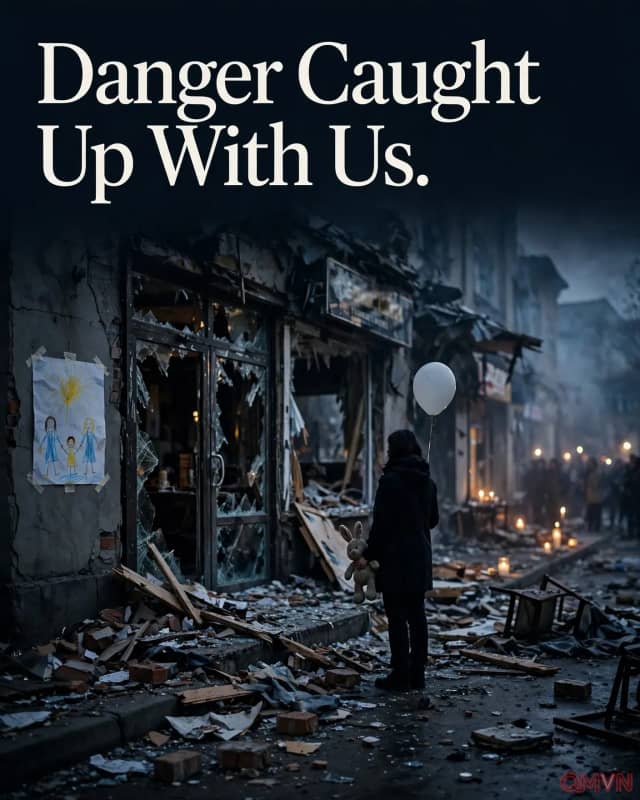
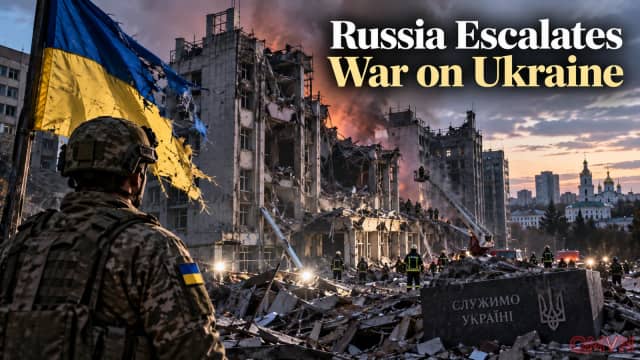
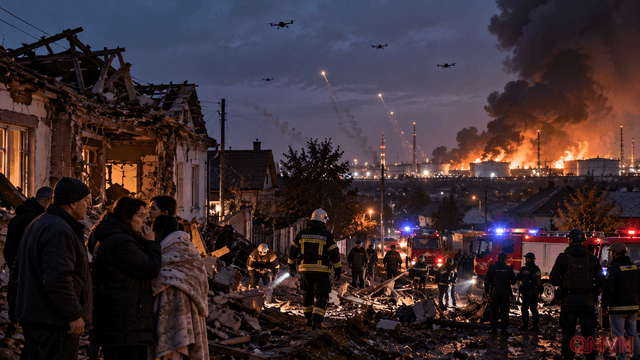
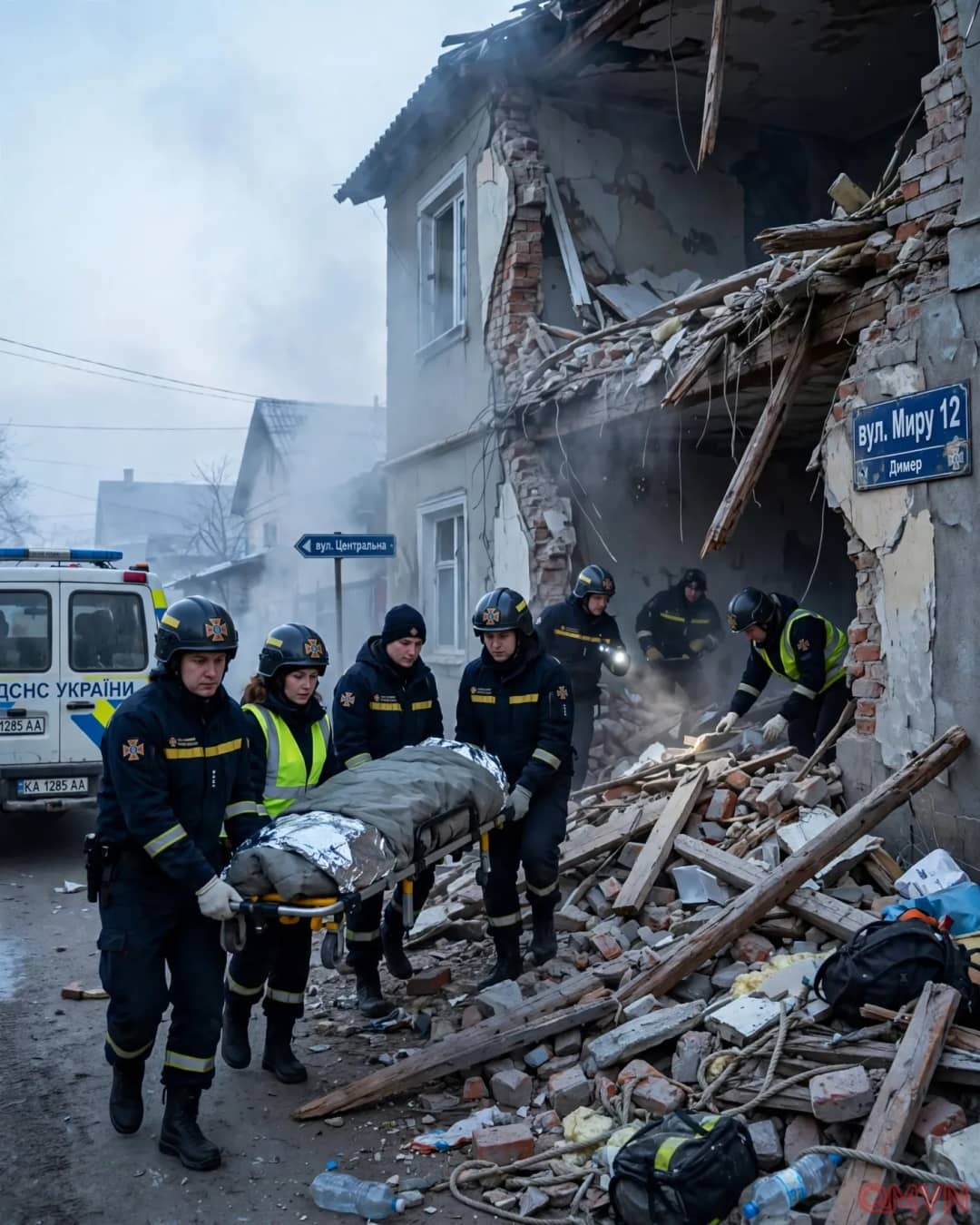
In the early hours of Sunday, November 22, a strike that Ukrainian officials attributed to Russia hit a five-storey apartment block in Dymer at around 5 a.m., when many residents were still asleep. Part of the building collapsed into unstable layers of concrete, metal and household belongings. Firefighters, medics and search specialists faced the delicate task of locating pockets where someone might still be alive without destabilising what remained.
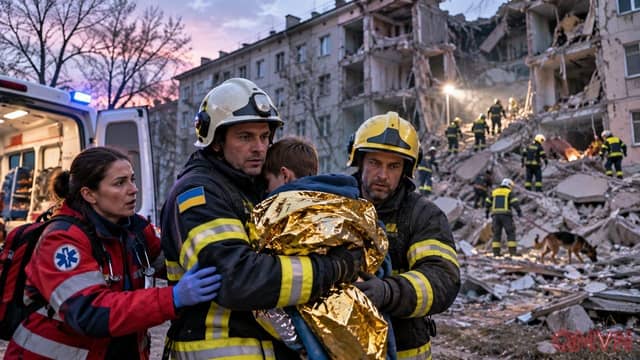
After roughly fourteen hours, rescuers brought a seven-year-old boy out alive. President Volodymyr Zelensky and Ukraine’s national police confirmed the operation; local authorities said he was stable and receiving hospital care. The rescue of a 79-year-old woman from the same devastation gave another family reason to hope, even as relatives of missing residents waited nearby for further information.
The death toll changed as the search continued. Reuters reported that on November 23 regional governor Tymur Tkachenko said 11 people had died in Dymer after another body was recovered. Earlier, lower figures reflected an incomplete search, rather than necessarily conflicting accounts of the same moment. Every revision carried a painful significance for people waiting to learn who had survived.
A wider night of attacks around Kyiv
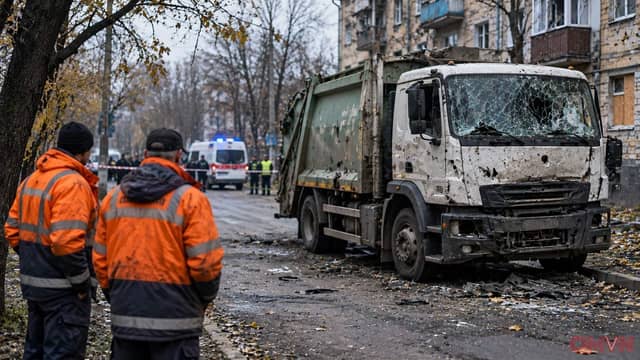
The violence extended beyond one residential building. According to statements by Zelensky cited by the BBC, three people were killed and 13 injured when a strike hit a grocery store in Vyshneve; local officials said children were among the injured.
Near Bila Tserkva, an attack struck a private house, caused a fire and killed another person. Ordinary places of shelter and commerce had become scenes of emergency treatment and mourning.
Ukrainian authorities said more than 130 people were involved in the response at Dymer, with operations continuing until the whereabouts of every resident could be established. Renewed air-raid warnings and the threat of additional strikes complicated the work of moving equipment, stabilising debris and treating those found. For families waiting outside the search perimeter, the most important development was not a headline figure but each new possibility of finding a loved one.
The consequences also reached essential infrastructure. Ukraine’s prime minister reported that a power substation in the Dnipropetrovsk region had been hit. Damaged housing, disrupted electricity and pressure on emergency healthcare can extend a single night of violence into weeks of hardship, particularly as colder weather increases the need for dependable heating and shelter.
What a rescue can and cannot repair
Humanitarian organisations have long warned about the severe toll on civilians when fighting reaches populated neighbourhoods. The main immediate accounts of the Dymer attack came from Ukrainian officials and rescuers; independent verification of every battlefield detail may take time. That distinction matters when reporting both the facts already corroborated and the questions still unanswered.
International humanitarian law requires parties to a conflict to distinguish military targets from civilians and civilian objects, and to observe proportionality and precautions in attacks. Determining legal responsibility for a particular strike requires evidence about the intended target, the weapons used and the surrounding circumstances, not assumptions drawn solely from the devastation left behind.
The boy’s survival is a testament to skilled and persistent rescue work, but it is not a complete ending to this tragedy. Beyond the scenes of a child emerging alive are families mourning the dead and others still searching for answers. Once the debris is cleared, urgent tasks remain: safe accommodation, medical and psychological care, restoration of services and clear information for those affected.