MAIN ARTICLE
When one influenza wave meets the next
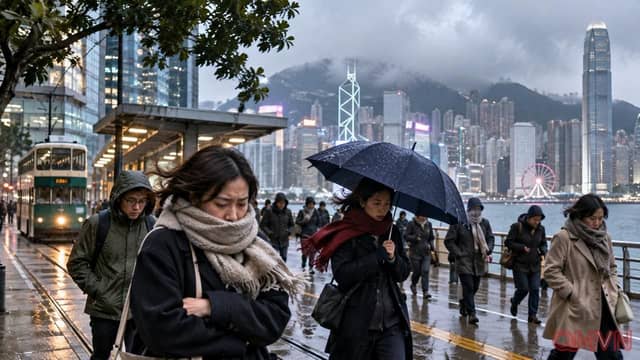
A northeast monsoon is forecast to bring urban temperatures down to around 18 degrees Celsius on Tuesday, November 10. The cooler conditions arrive while influenza activity remains a public-health concern. Dr Mike Kwan Yat-wah, a former president of the Asian Society for Paediatric Infectious Diseases, has warned that what are usually described as summer and winter influenza waves may overlap, extending the season beyond families' expectations.
Cold weather does not create influenza viruses. Instead, changes in humidity, respiratory-particle behaviour and indoor routines can help transmission under some circumstances. With windows closed and people spending longer in shared spaces, infectious particles may encounter more susceptible hosts. Influenza also circulates alongside respiratory syncytial virus (RSV) and SARS-CoV-2, making cough, fever and fatigue insufficient on their own to establish which virus is responsible.
Twenty-nine serious cases demand perspective
The Centre for Health Protection's November 5 surveillance report counted 29 severe influenza-associated complications or deaths among children under 18 during the ongoing season, including two fatalities. Twenty-one cases involved influenza A(H1), six A(H3) and two influenza B. Nineteen children had not received seasonal flu vaccination. These figures describe reported severe cases; they should not be mistaken for the probability that any particular child will become seriously ill.