Israeli airline Arkia to restart direct Tel Aviv–Marrakesh flights in January after security approvals, reviving a fragile air bridge with Morocco
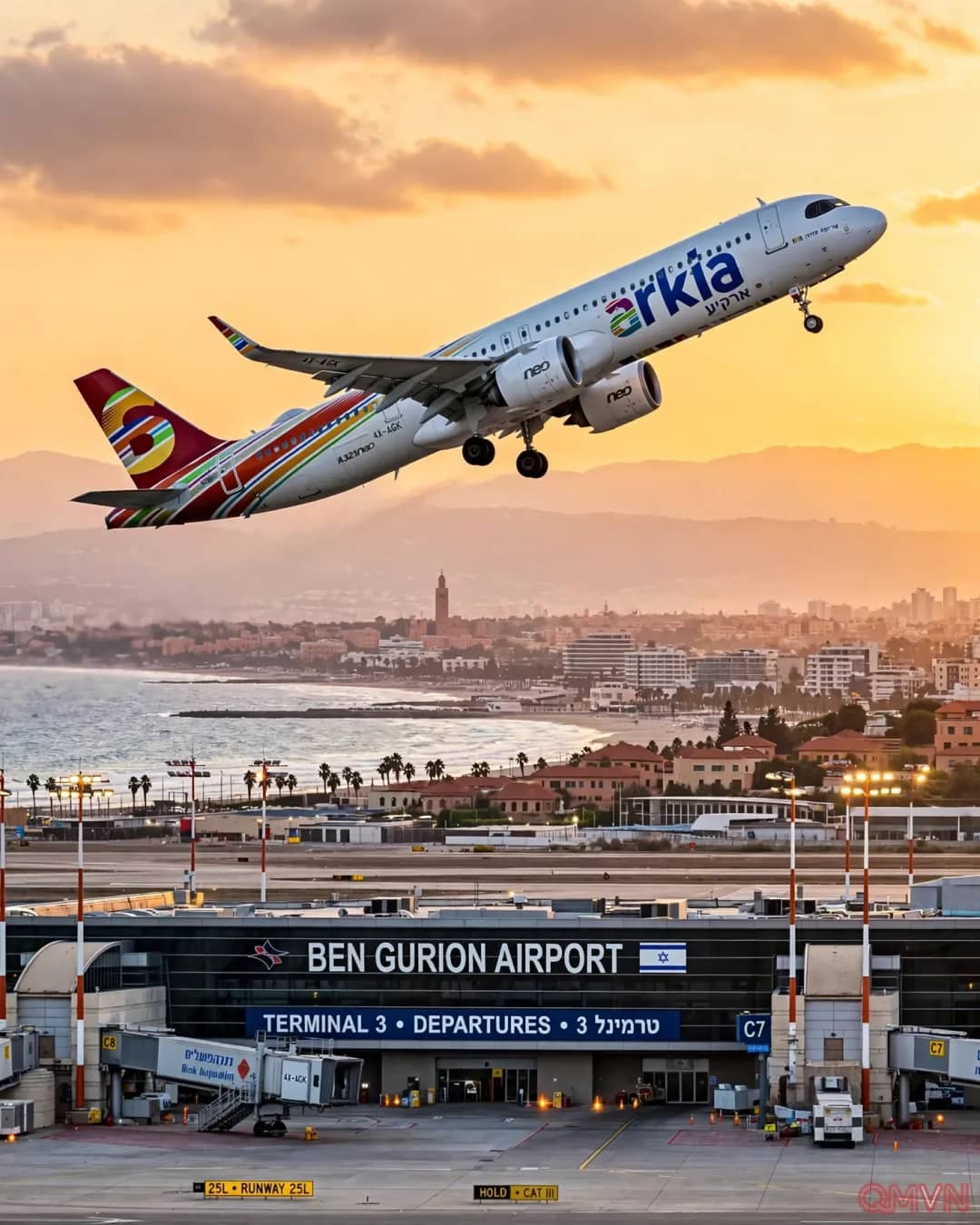
Israeli carrier Arkia will resume direct flights to Marrakesh from January 4, the airline announced, less than two months after it halted ticket sales to Morocco at the request of Israeli security authorities. Arkia said joint work by the Civil Aviation Authority and security officials had secured all the approvals needed to restore the route. Flights will run twice a week, on Mondays and Wednesdays, using an Israeli-owned Airbus A321neo with 214 seats and onboard Wi-Fi. The decision restarts a link that has repeatedly been interrupted since the Hamas attack of October 7, 2023 and the ensuing war in Gaza, and that carries both economic and emotional weight: hundreds of thousands of Israelis trace their roots to Morocco. It also comes as Rabat and Israel move to upgrade diplomatic ties, even as large protests in Moroccan cities continue to oppose normalisation with Israel.
Tiếng Nói QUANG MINH·2 min read · 4 min listen·21 November 2026, 02:03 EST·
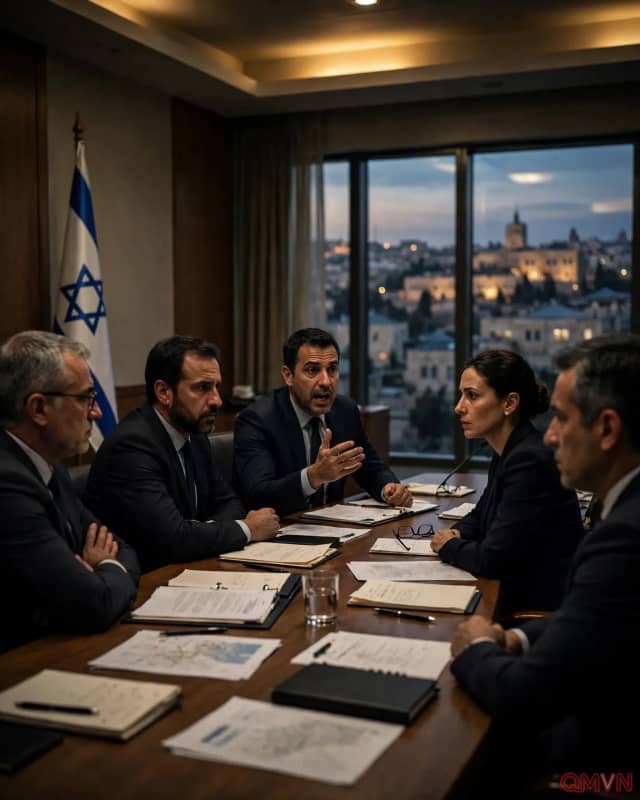
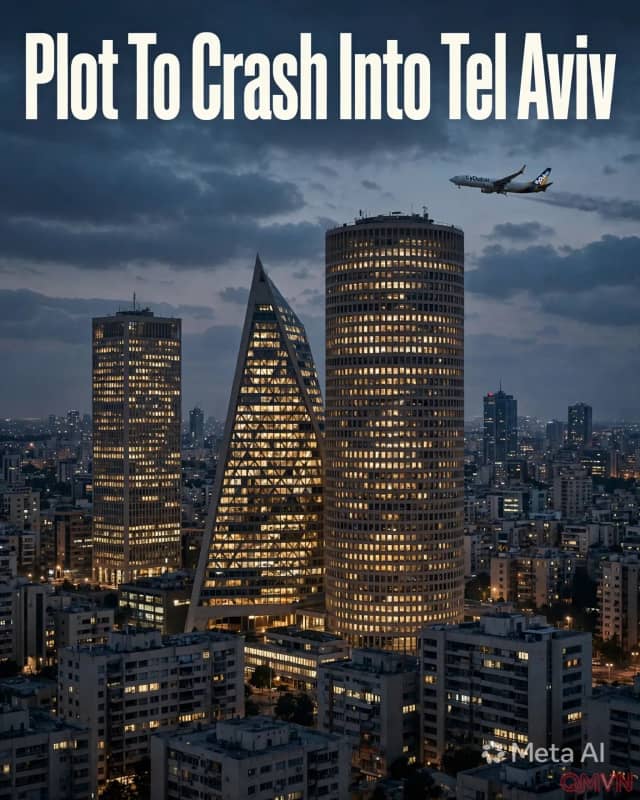
AI-generated illustration
Back on the schedule
Arkia first relaunched nonstop service to Marrakesh in August, the first by an Israeli carrier since October 2023. But in October, the airline stopped selling tickets until further notice after new Israeli security directives, following a similar move by Israir. El Al's subsidiary Sun d'Or postponed its planned November launch on the route. Arkia also froze expansion plans, including leasing an additional aircraft.
With approvals now in place, the January restart gives travel agencies and tour operators a clearer horizon for winter and spring bookings.
Advertisement300 × 250
Israeli passport holders still need a visa to enter Morocco, and airlines have urged passengers to arrange documents in advance.
A route with deep personal ties
For many Israelis, Morocco is not just a holiday destination:
An estimated one million Israeli citizens trace their ancestry to Morocco, home to one of the oldest Jewish communities in the Arab world.
About 200,000 Israelis visited Morocco in 2022, many on heritage trips retracing family histories.
Pilgrimages to the tombs of revered rabbis continued during the suspension, sometimes on special charter flights or through connecting routes.
Marrakesh, with its historic medina and markets, has been the main gateway for these visitors, and tourism operators report strong demand whenever direct flights are offered.
Diplomacy moves ahead, the street pushes back
Relations between the two governments have continued to deepen. In September, Israel and Morocco agreed to upgrade their ties to full embassies with ambassadors, and defence cooperation has continued. Morocco says its relations with Israel sit alongside its long-standing support for the Palestinian cause and for a Palestinian state, and presents itself as a potential mediator.
Public opinion is more divided. Pro-Palestinian demonstrations have drawn thousands in Rabat, Casablanca and other cities, with protesters demanding an end to normalisation and the closure of Israel's liaison office. Analysts note that the authorities have allowed protests while keeping diplomatic course.
There are always demonstrations against normalization.
Hasnaoui, a political scientist at Hassan First University in Settat, has argued that Rabat has not changed its policy because it sees itself as a mediator between Israelis and Palestinians.
Security as the deciding factor
The stop-start history of the route shows that security assessments, rather than demand, often decide whether Israelis can fly to Morocco directly. Israel's National Security Council raised its travel warning for Morocco after the Gaza war began, and new directives this autumn again disrupted plans.
Whether the January resumption holds will depend on the regional situation, including the conflict with Iran, as well as on the political climate in Morocco. For now, the return of scheduled flights is a sign that both sides want to keep people-to-people links alive.
EVENT BACKGROUND.
Morocco and Israel established formal relations in December 2020 under the US-brokered Abraham Accords, in a deal that also included Washington's recognition of Moroccan sovereignty over the disputed territory of Western Sahara. Direct commercial flights followed in July 2021, operated by Israeli airlines and Royal Air Maroc, and tourism, trade and security cooperation expanded quickly. Morocco has a unique place in Israeli society because of the large community of Jews who emigrated from the country in the decades after 1948, many of whom kept cultural and family ties. The relationship was shaken by the Hamas attack on Israel on October 7, 2023 and Israel's military campaign in Gaza. Royal Air Maroc suspended its Tel Aviv service immediately, Israeli carriers halted their routes weeks later, and Israel advised its citizens against travel to Morocco. In Moroccan streets, anger over the war fuelled repeated mass protests, with opponents arguing that normalisation is incompatible with support for Palestinians. The government, led by the palace on foreign policy, maintained relations, citing national interests including Western Sahara and its role in the Palestinian question. Supporters of the ties highlight economic and cultural benefits; critics see a gap between official policy and public sentiment. The central tension remains how Rabat balances strategic alliances with domestic opinion.
Key takeaways
Bridges between peoples often survive on small, practical connections such as a weekly flight.
Diplomacy can move faster than public opinion, but it cannot ignore it for long.
Where security sets the timetable, trust must be rebuilt one journey at a time.
Subscribe to the QMVN newsletter
A daily morning digest - only stories worth reading, no spam.