Hong Kong customs arrests 61-year-old father over fake Chanel and Dior perfumes in online scheme allegedly run by his son from abroad
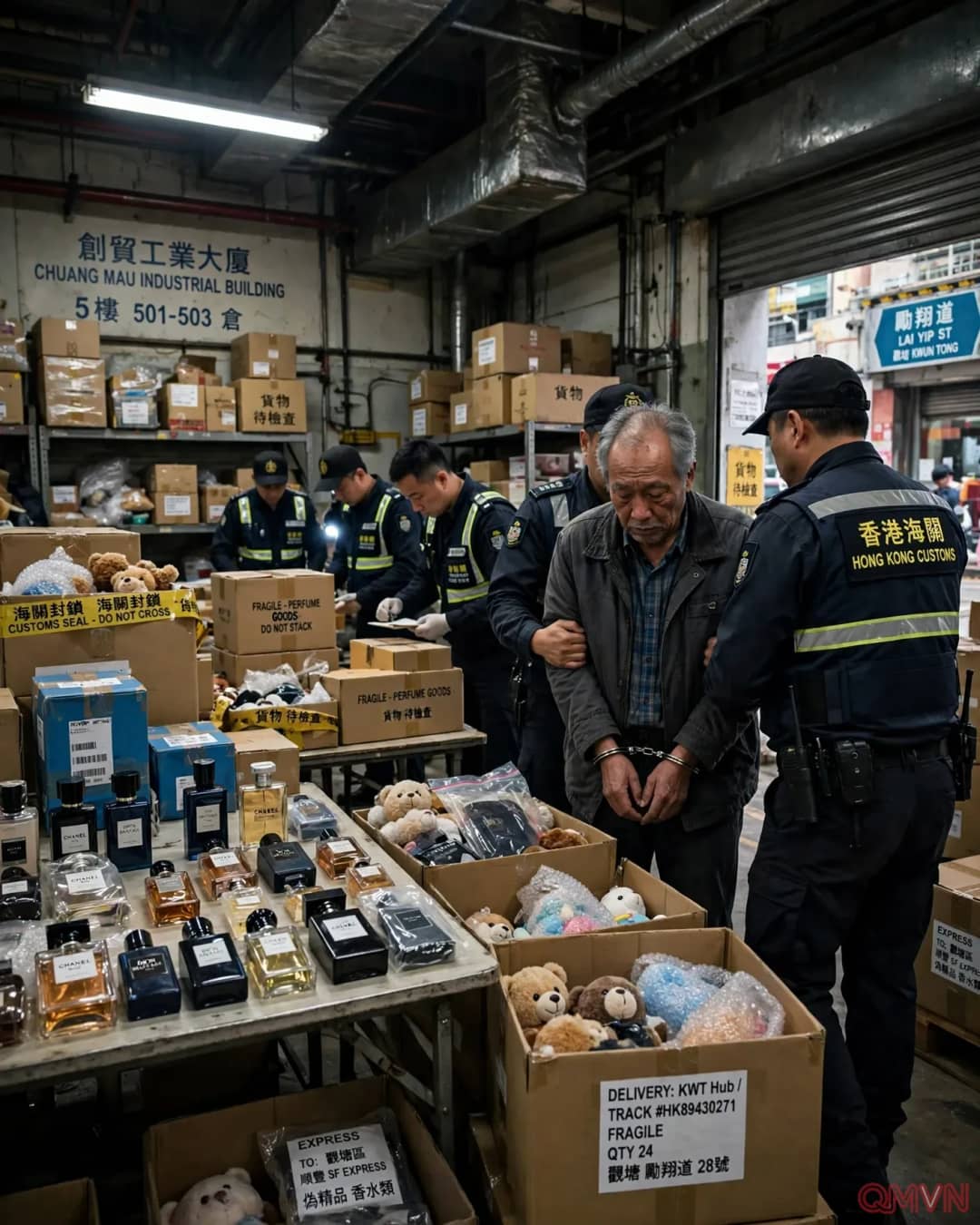
Hong Kong customs officers have arrested a 61-year-old man on suspicion of selling counterfeit luxury perfumes through online stores and laundering the proceeds, in a case that allegedly earned more than HK$6 million (US$765,500) over two years. According to the Customs and Excise Department, the man ran the local side of the operation on behalf of his 30-year-old son, who is believed to have directed the scheme from overseas. Acting on a tip from a member of the public, officers raided a distribution centre in Kwun Tong last week that allegedly supplied imitation versions of high-end fragrances, including Chanel and Dior, to two online shops. The case, revealed on Saturday, illustrates how counterfeit networks are moving onto social media and e-commerce platforms, where cheap prices and polished photos can mislead buyers. It also highlights a growing focus by investigators on following the money behind fake goods, not just seizing the products themselves.
Tiếng Nói QUANG MINH·2 min read · 4 min listen·21 November 2026, 01:48 EST·
AI-generated illustration
A family business built on imitation
Investigators say the operation divided its roles across borders. The son, who lives outside Hong Kong, allegedly managed the business and its online storefronts, while his father handled the physical side in the city: storing stock, packing orders and dispatching parcels from the Kwun Tong centre.
Customs officers moved in after receiving a report from the public. The 61-year-old was arrested on suspicion of offences under the Trade Descriptions Ordinance, which bans selling goods with forged trademarks, and of money laundering.
Advertisement300 × 250
Investigators believe the scheme generated more than HK$6 million in illicit profits over roughly two years. The investigation is continuing, and the man has not been convicted of any offence.
What the law says
Hong Kong treats both parts of the alleged scheme seriously:
Selling goods with false trade descriptions or forged trademarks carries a maximum penalty of a HK$500,000 fine and five years in prison.
Dealing with proceeds known or believed to come from crime carries a maximum of a HK$5 million fine and 14 years in prison, under the Organised and Serious Crimes Ordinance.
Proceeds of crime may also be confiscated by the courts.
By adding money laundering charges, customs officials signal that they see counterfeiting not as a minor trading offence but as a source of criminal income that can be tracked through bank accounts and payment platforms.
A crackdown that keeps widening
The Kwun Tong raid is the latest in a series of cases targeting online sales of fake beauty products. In May this year, customs officers arrested a 36-year-old man and seized around 2,500 counterfeit perfumes and skincare items worth about HK$1.5 million from a warehouse in San Po Kong. In March, a three-week operation codenamed Dawnbreaker seized roughly 110,000 suspected counterfeit items worth about HK$64 million.
Last year, investigators arrested a brother and sister accused of handling about HK$13 million in proceeds from selling counterfeit footwear online since 2023, under both trade descriptions and money laundering laws. Customs says it now uses big-data analytics to identify suspicious online shops.
Why fake perfume is not a harmless bargain
Counterfeit perfumes are often sold at a fraction of the genuine price, which attracts buyers who know or suspect the products are not authentic. Officials have repeatedly warned that fake cosmetics and fragrances are made without quality control and may contain substances that irritate or harm the skin.
Customs advises consumers to buy from reputable shops, to be wary of prices that seem too good to be true, and to check with brand owners or their authorised agents when in doubt. Members of the public can report suspected counterfeiting to the department's hotline.
EVENT BACKGROUND.
Hong Kong was once known as a major hub for the trade in counterfeit goods, with street stalls and markets openly selling imitation handbags, watches and perfumes. Over the past two decades, tougher enforcement and pressure from brand owners pushed much of that trade out of sight. Since the pandemic, however, a large part of it has moved online, to social media pages, messaging groups and e-commerce platforms, where sellers can reach customers quickly and disappear just as fast. Luxury fragrance is a particular target because the products are expensive, widely recognised and relatively easy to imitate in appearance. To keep up, the Customs and Excise Department has expanded cyber patrols, test purchases and data analysis, and works closely with trademark owners to confirm whether seized goods are fake. Brand companies argue that counterfeiting damages their reputation and funds organised crime, while some consumers see cheap copies as a victimless shortcut to luxury. Enforcement is complicated when organisers operate from outside Hong Kong, leaving local helpers, often relatives or low-paid workers, to face arrest first. The key challenge is reaching the people who profit most from the trade.
Key takeaways
A bargain that imitates luxury often hides a cost that the buyer cannot see.
Following the money reveals more about a crime than counting the goods it sold.
Family ties can make a business feel safe, but they cannot make it lawful.
Subscribe to the QMVN newsletter
A daily morning digest - only stories worth reading, no spam.