MAIN CONTENT
A march that turned household budgets into a public demand
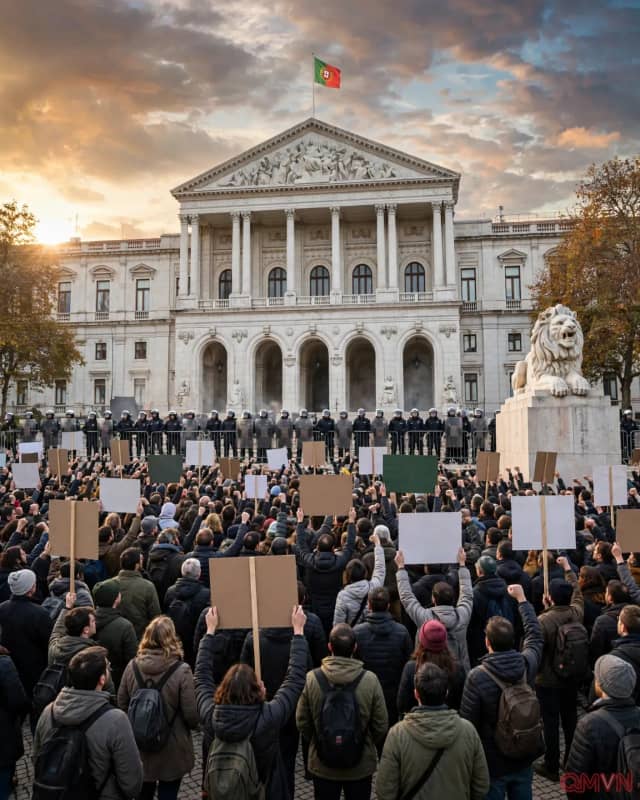
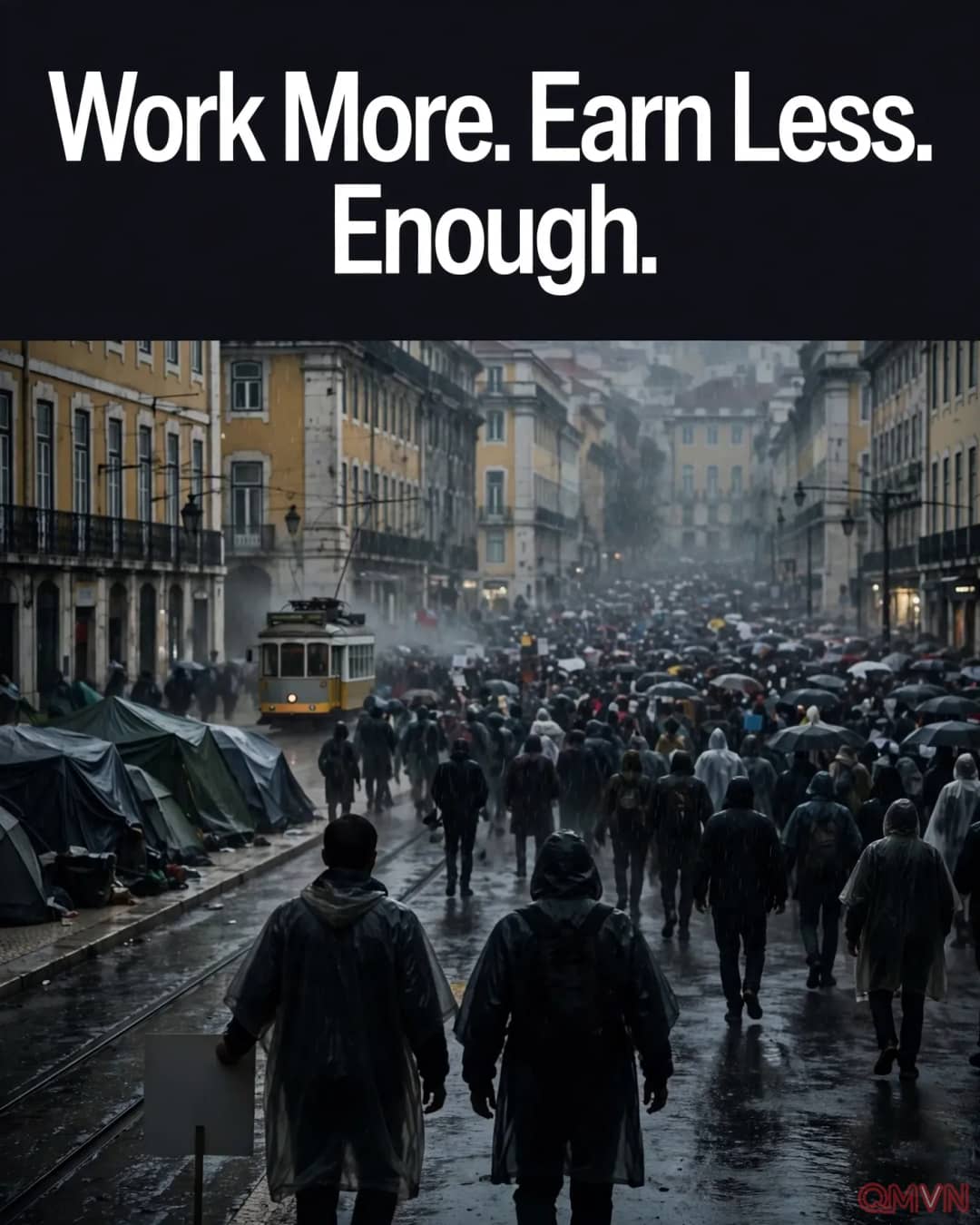
Umbrellas and rain ponchos moved along two of Lisbon’s principal avenues as demonstrators demanded immediate relief from bills that absorb a growing share of their pay. CGTP called for increases in wages and pensions, cheaper essential goods and services, and measures to restrain housing expenses. Its account described participation in the thousands; police did not issue a figure. The scene was less an isolated complaint about one price increase than a collective expression of anxiety about what remains after rent, transport, energy and food are paid.
Factory worker Manuel Gomes, 44, told Reuters that working harder had not translated into enough money for everyday living. He highlighted low pay, fuel costs and housing expenses, and blamed the centre-right government’s policies for worsening the squeeze. His comments represented a protester’s assessment, not an independently established measure of responsibility. Retired IT technician Luis Russo, 66, similarly argued for better pensions and action against speculation in the rental market. Together their concerns showed how affordability affects both active workers and people living on fixed incomes.