MAIN CONTENT
From a Roman counter to a global stage
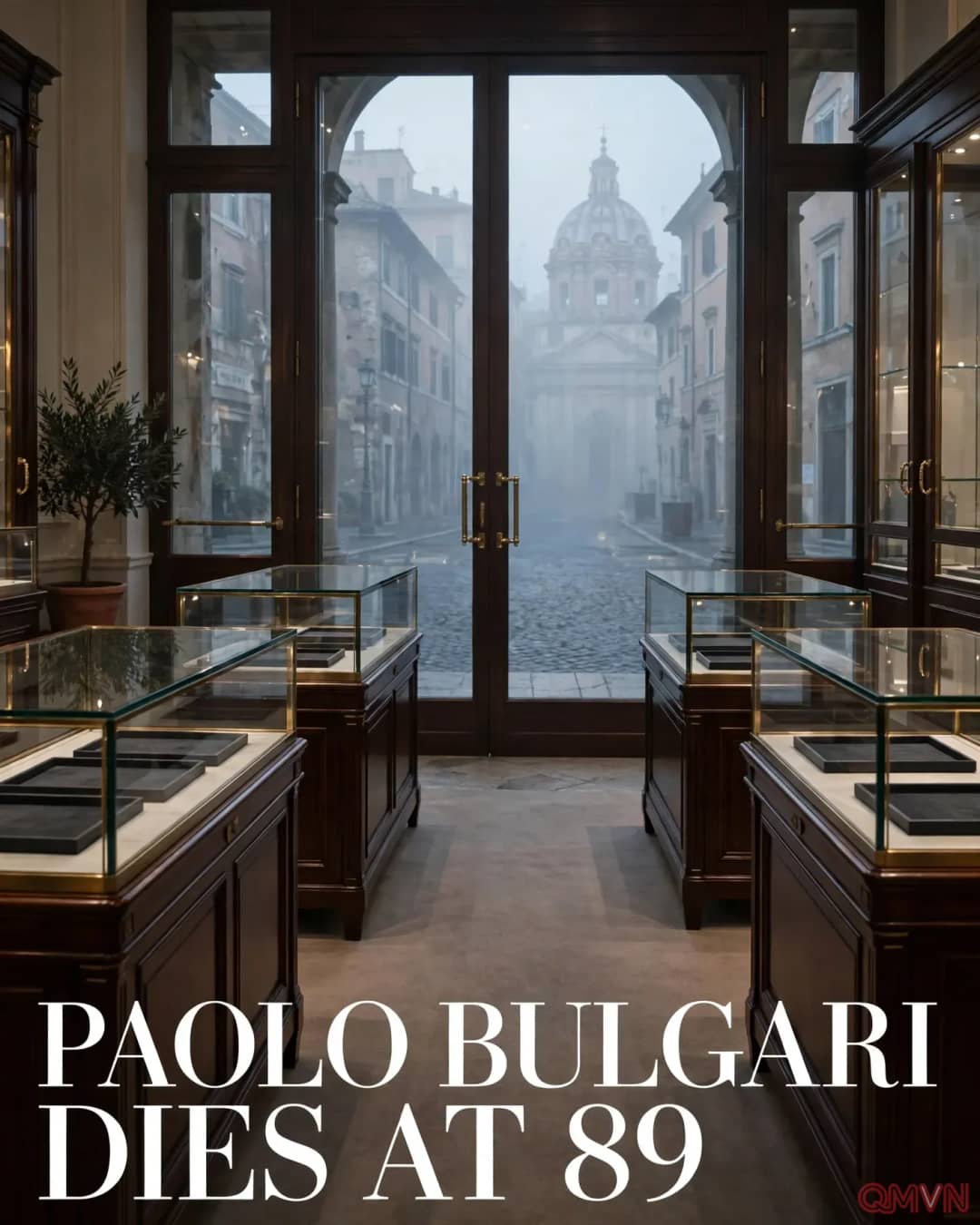
Paolo Bulgari's story began in a business already steeped in migration and reinvention. His grandfather, Sotirio Bulgari, had travelled from Greece to Italy and opened a jewellery shop in Rome in 1884. From that modest starting point emerged a name that would eventually be recognized far beyond the city. Paolo entered the family enterprise in 1960 after initially pursuing legal studies. His command of precious stones became a defining professional skill, giving him authority not only in boardrooms but also at the workbench.
The expansion was collaborative rather than solitary. Paolo worked with his brother Nicola and later with Francesco Trapani, helping to build the network, management and international profile needed for a family name to operate as a global brand. Boutiques in destinations including New York, Paris and Geneva placed the Roman jeweller among the businesses shaping the modern luxury market. Still, international reach was not the whole achievement: the firm sought to keep a recognizable visual accent wherever its products were sold.
Colour as a signature, heritage as a resource
In an industry where understatement can signal prestige, Bulgari made bold combinations of coloured gemstones a central part of its identity. The house drew on Italian design and the visual richness of Rome while developing pieces that looked contemporary rather than preserved behind museum glass. Its classical BVLGARI spelling, using the Latin V, became a compact statement of that relationship between past and present. The company later built recognizable collections and moved into watches and other luxury categories.
Public fascination helped amplify the aesthetic. Among the famous figures associated with Bulgari jewellery were Elizabeth Taylor, Sophia Loren, Audrey Hepburn, Nicole Kidman and Angelina Jolie. Celebrity recognition can make a brand visible, but visibility alone does not explain durability. The more difficult task is to make design codes recognizable without allowing repetition to turn them into clichés. Paolo's specialist knowledge of stones helped anchor that ambition in craftsmanship rather than publicity alone.
A private temperament amid the spectacle of wealth
Accounts from friends and colleagues portrayed an unusually reserved figure for a company synonymous with red carpets. Despite standing nearly two metres tall, Paolo reportedly preferred an understated presence.
He sometimes assisted customers in the historic Via Condotti boutique and introduced himself simply as a salesman. The anecdote captures a distinction that successful luxury companies can struggle to maintain: prestige is not necessarily the same as personal display.
Italian media reported that he continued sketching jewellery designs almost to the end of his life. Such details cannot replace a full assessment of his business record, but they explain why tributes have focused on the union of artistic judgment and commercial discipline. Following his death, LVMH chief executive Bernard Arnault credited him with helping achieve Bulgari's success while preserving the brand's Italian character and Roman roots. The tribute also underscored how personal legacy can outlast a change in corporate ownership.
The difficult bargain with a larger owner
The 2011 transfer of control to LVMH was a turning point. The deal, valued at around $5 billion, ended more than a century of family control of the listed company and placed Bulgari inside one of the world's leading luxury groups. According to Reuters, Paolo later described the choice as painful but necessary to protect the company's future and thousands of employees. The decision reflected a dilemma familiar to heritage businesses: remaining independent can preserve authority, but international scale demands capital, infrastructure and resilience.
For critics of consolidation, acquisitions risk reducing distinctive houses to parts of a large portfolio. For supporters, a well-resourced parent can provide distribution, investment and continuity that smaller owners cannot easily match. Bulgari's trajectory does not settle that debate for every company. It does illustrate how a founder's descendants may regard safeguarding a craft and a workforce as a different obligation from retaining the controlling shares at all costs.
What remains after the maker is gone
Paolo Bulgari did not create the first Bulgari shop, nor did he alone build the modern group. His contribution was to connect inherited expertise with the ambitions of a changing world. He helped carry a Roman vocabulary of colour, stones and architectural confidence into a business that could speak to customers across generations and national borders. The durable result was both material and intangible: stores, collections, jobs, and an idea of what Italian luxury should look and feel like.
A death at 89 naturally closes one chapter, but it also draws attention to the people behind familiar emblems. Luxury is often marketed through timelessness, while the companies that make it are shaped by risky decisions, competing visions and ordinary human work. Paolo's career suggests that a brand survives not by freezing its origins, but by continually deciding which elements of those origins must never be lost.