MAIN ARTICLE
A startling reversal in Michigan
On November 1, Haley Stevens joined Mike Rogers at a Detroit church and publicly backed the Republican candidate. Only months earlier, she had promised to support Abdul El-Sayed after narrowly losing the Democratic Senate primary to him. A planned appearance meant to display Democratic unity never materialized. Instead, one of the most consequential Senate contests became a vivid example of how primary-election tensions can survive into the general election.
Stevens said she no longer belonged in El-Sayed’s campaign and objected to rhetoric she viewed as hateful concerning Israel. Their latest dispute partly involved an advertisement from an independent political group linking Americans’ financial pressures to US support for Israel. El-Sayed said the advertisement was not produced by his campaign and rejected its content. Differences over Israel and Gaza had already sharpened their earlier contest, leaving a fragile relationship even after the primary ended.
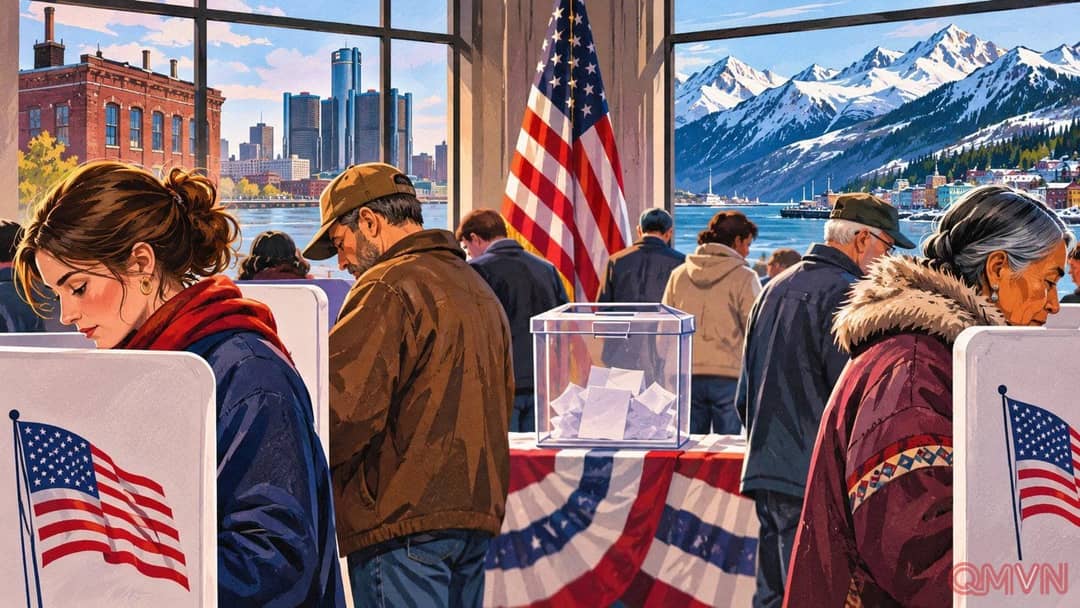
Reporting by the Associated Press and Roll Call describes fierce criticism of Stevens from Democratic leaders and resignations among members of her congressional staff. Yet a dramatic endorsement does not necessarily translate into a measurable election swing. Millions of voters have already cast ballots, and persuading those who remain undecided requires more than capturing a day’s headlines.