MAIN STORY
An alliance operating beneath the headlines
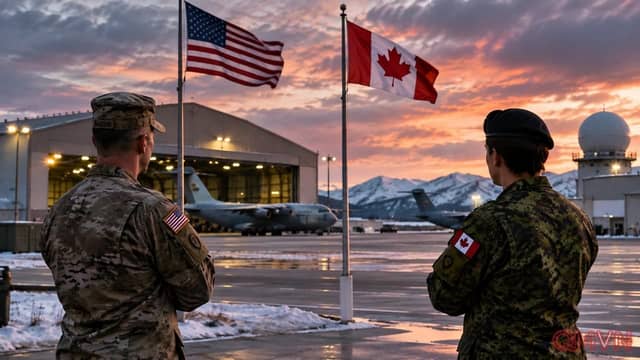
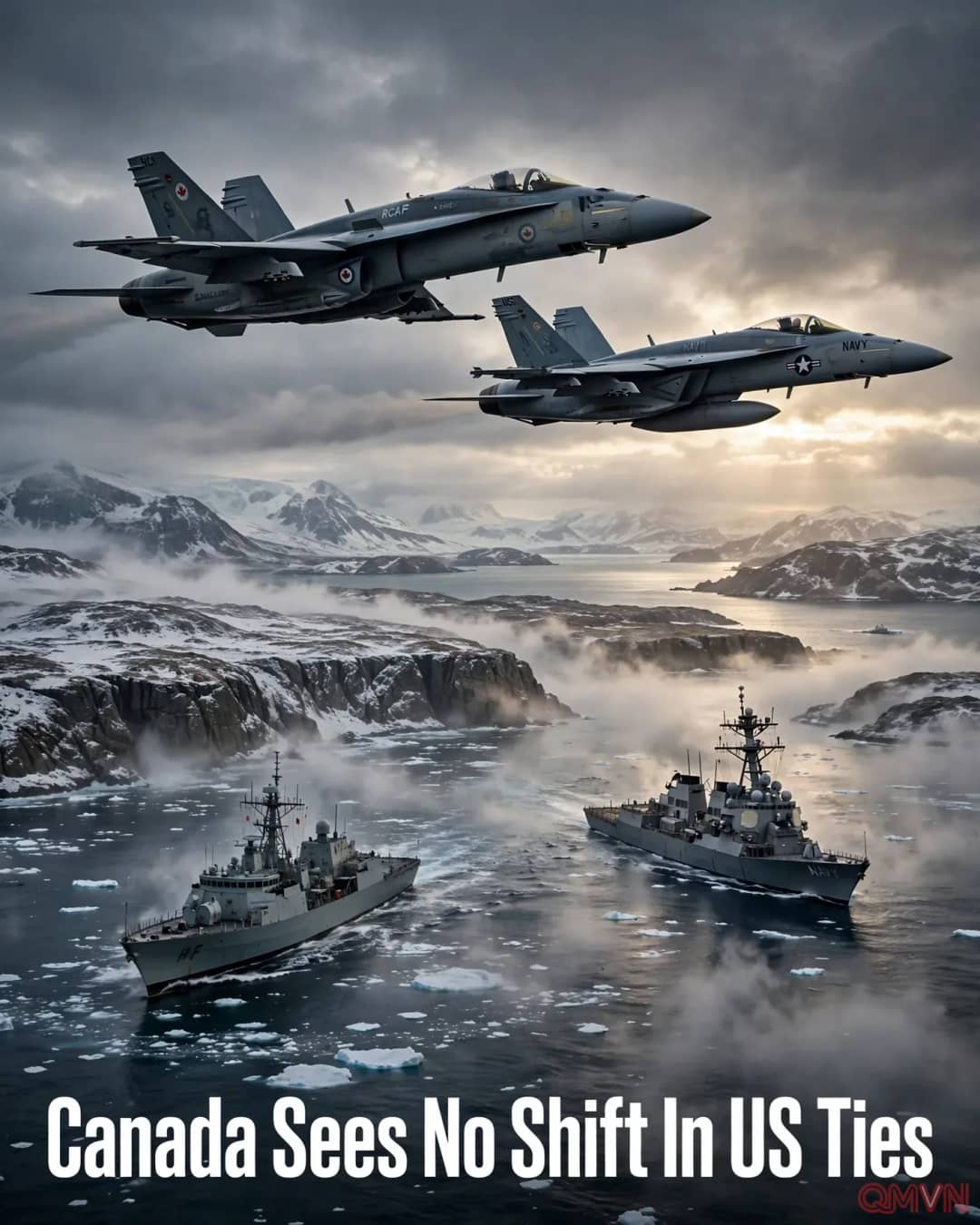
McGuinty’s message came at the Halifax International Security Forum, where military leaders and policymakers gathered to consider a changing security environment. The minister told Reuters that, in practice, the two armed forces still worked “hand in glove.” That description was deliberately concrete: fighter aircraft continue to respond to threats over North America, crews work alongside one another at sea and defence systems rely on shared planning.
Those relationships do not depend entirely on the warmth of a single presidential conversation. They are sustained by officers, command structures, communications links and procedures refined over generations. The North American Aerospace Defense Command, known as NORAD, is the clearest expression of that integration, combining Canadian and American capabilities to monitor and defend the continent’s air approaches.
The distinction matters because a change in diplomatic tone can be immediate, while operational cooperation is layered into institutions. McGuinty described the latter, not a guarantee about every future policy choice. His comments therefore conveyed reassurance without proving that the reported directive has no consequences.