Super-El Niño Dynamics and the subterranean Menace of Burning Peat
The primary catalyst driving this year ecological catastrophe is an aggressive super-El Niño event, which inflicted profound drought and unseasonal thermal stress across the equatorial rainforests of Sumatra and Borneo. The prolonged dry phase commenced earlier than normal, desiccating dense tropical vegetation and transforming ancient carbon-rich peat soils into highly combustible combustible tinderboxes that mirror the historic firestorms of 2015.
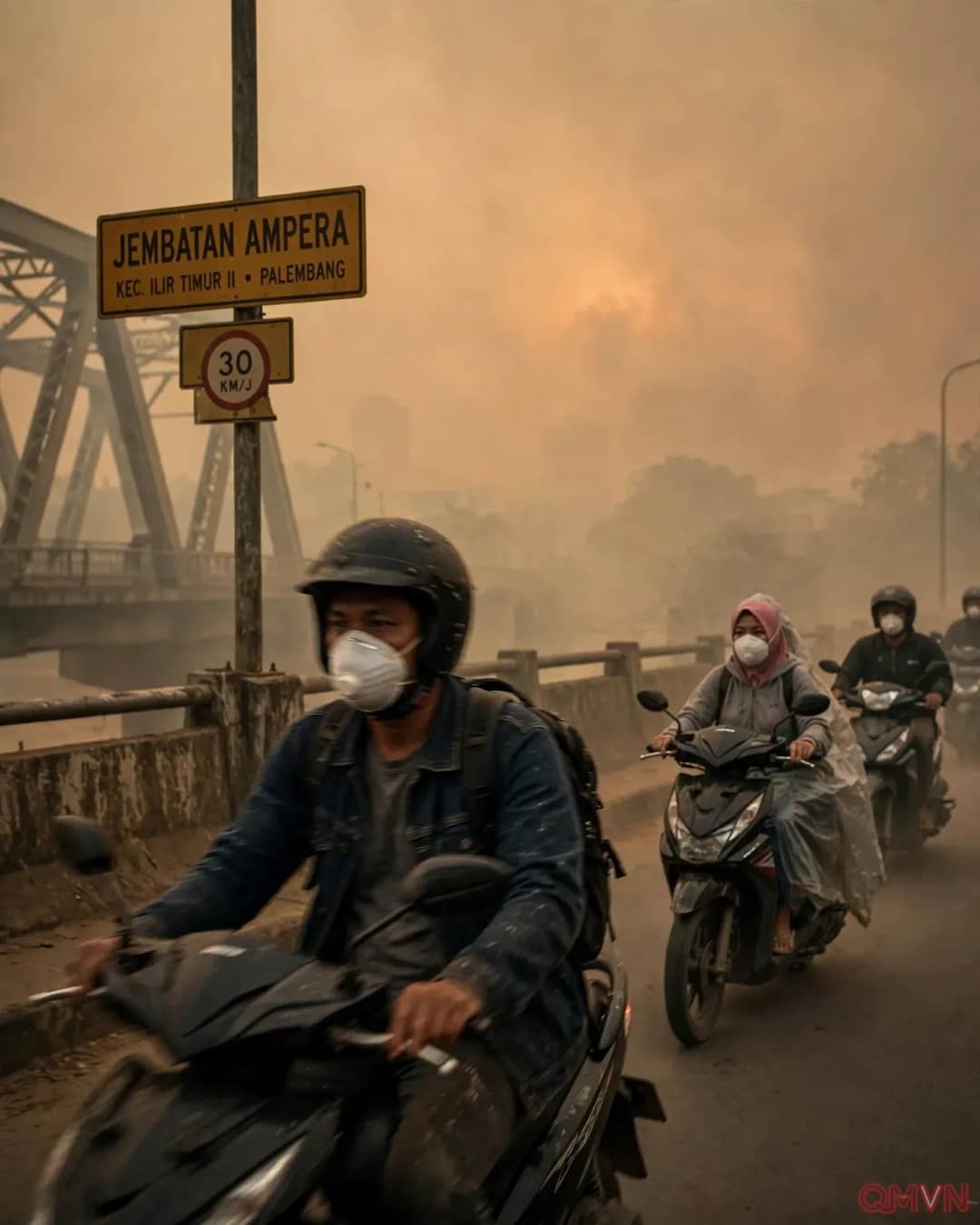
Subterranean peatland blazes represent the most destructive dimension of the crisis, smoldering deep underground at low temperatures for weeks while emitting massive volumes of carbon monoxide and microscopic particulate matter that resist aerial water-bombing. Independent geospatial evaluations from the forestry monitor Nusantara Atlas estimate that total burned acreage between January and August reached nearly 900,000 hectares, an area approximately thirteen times the size of Singapore.
Severe super-El Niño conditions brought additional heat and dryness, causing wildfires to spread far more rapidly than in previous years.