MAIN CONTENT
A geopolitical argument meets the household bill
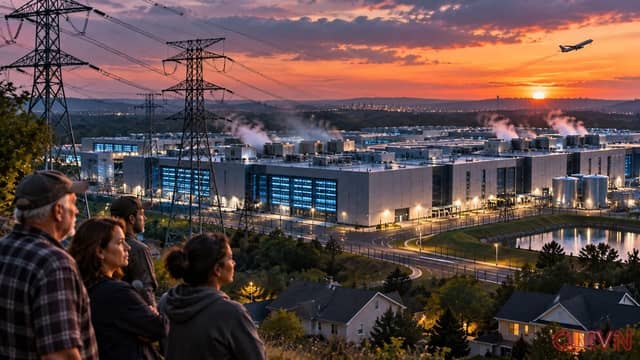
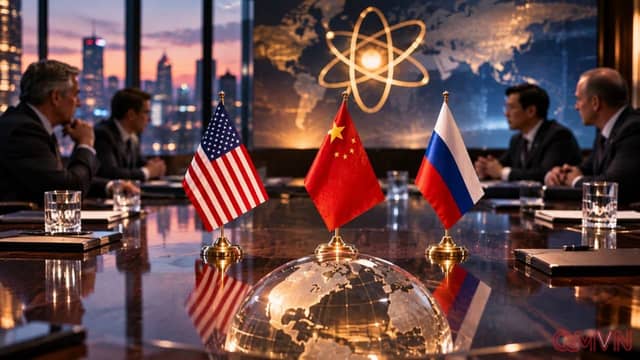
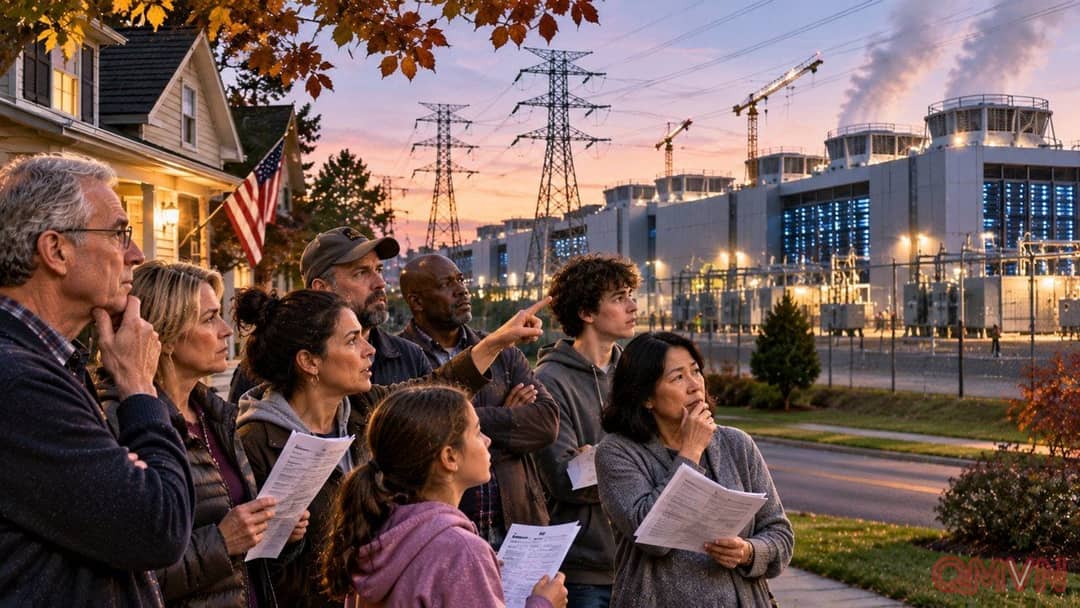
President Donald Trump’s administration has placed competition with China at the heart of its case for expanding American AI infrastructure. Yet around proposed server campuses and their power connections, the debate begins with a different calculation. Residents ask whether utility prices will rise, whether water systems can cope and whether planning decisions were effectively settled before neighbors had a say.
According to the South China Morning Post, Brookings fellow Kyle Chan and Asia Society Policy Institute fellow Lizzi Lee see declining persuasive power in invoking China as the reason for every new development. That is an assessment of public rhetoric, not proof that technological rivalry has ceased to matter to Americans as a whole.
The ballot box gives local resistance leverage
Democratic gubernatorial victories in Texas, Georgia and Ohio strengthened candidates who supported moratoriums, reviews or stricter conditions for new data centers. Reuters has documented opposition from Republican politicians too, reflecting concerns that heavy electricity and water use, noise and public tax incentives may be poorly balanced against permanent employment and local benefits.