MAIN CONTENT
From a disrupted plot to a diplomatic rupture
Danish police and security officials reported on November 20 that they had thwarted a suspected plan to murder a US-Ukrainian rapper before a September performance. They linked the alleged operation to Russian intelligence. Those assertions are the position of Danish authorities, not a judicial finding establishing Russia’s responsibility. Reporting on the case described two Danish suspects believed to have been recruited for the attack; any criminal liability remains subject to legal proceedings.
Foreign Minister Lars Løkke Rasmussen called the alleged operation an unacceptable crossing of boundaries. Denmark responded by announcing that Russia’s defence attaché would be expelled. The Russian embassy in Copenhagen challenged the claims and said they lacked proof. The contrast between official accusations and a diplomatic denial underscores why European governments are simultaneously discussing immediate protective measures and the evidentiary standards needed for lasting policy.
The visa measures Copenhagen wants
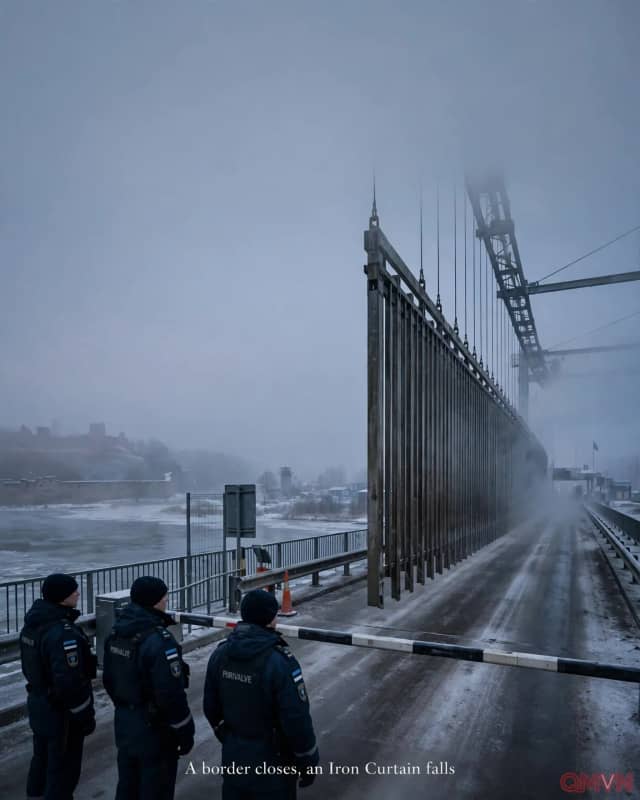
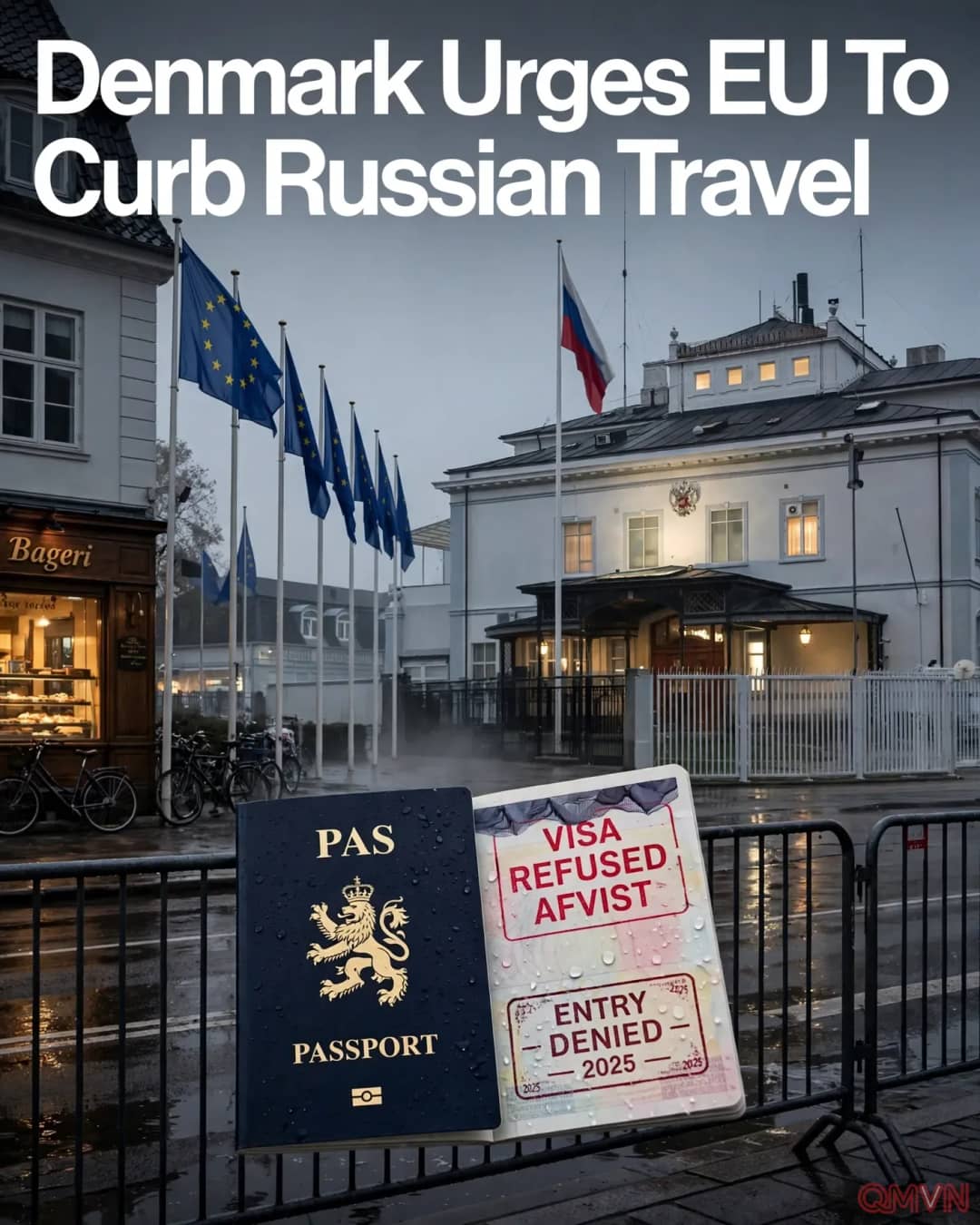
In a message circulated to senior European diplomats on Friday evening, Denmark proposed a halt to tourist visas for Russian citizens and a Schengen-wide refusal to recognise Russian passports without biometric features. It also urged greater use of visas limited to one country rather than valid throughout the passport-free area, and stricter admission rules for active and former Russian combatants.