MAIN CONTENT
The host’s advantage: making diplomacy itself the achievement
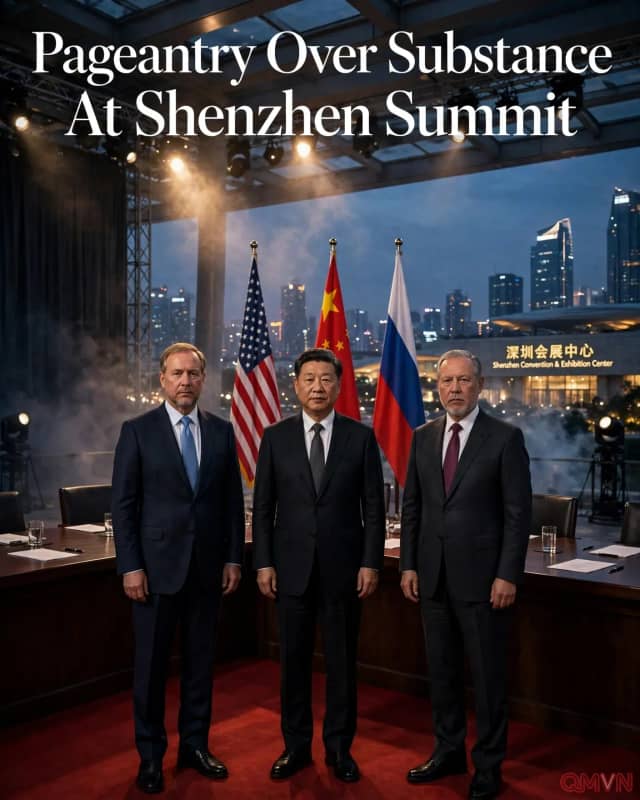
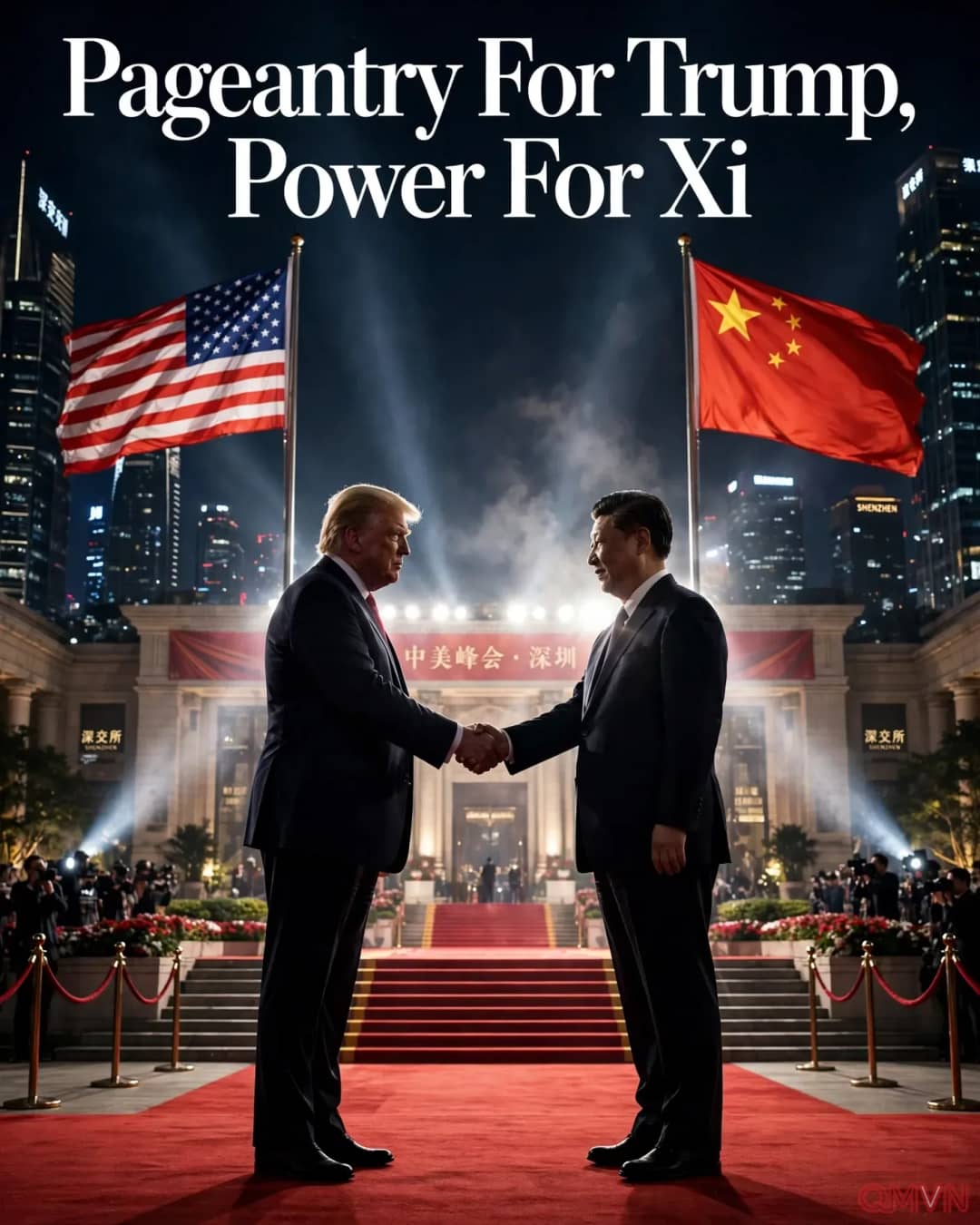
The Shenzhen gathering brought together leaders whose interests diverge sharply. By greeting Trump personally and taking part in an unusual meeting with Putin, Xi shaped a setting in which China appeared indispensable to discussions about global stability. AP reported that the APEC event put Beijing’s international influence on display. Hosting, however, is not the same as securing agreement: a summit can strengthen the host’s image even when negotiating texts remain thin.
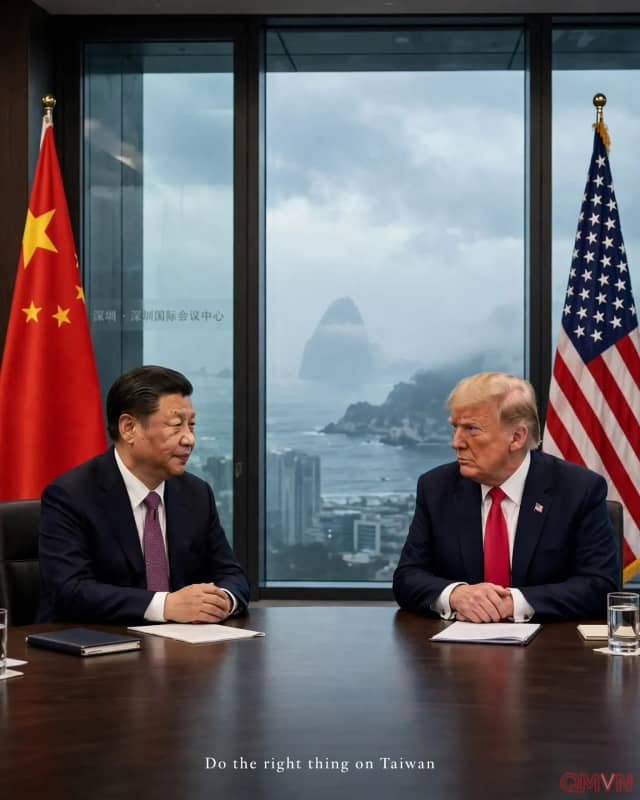
Trump’s upbeat description of the reception reflected the political value he places on personal diplomacy. For Xi, the same scene served another purpose: to show that Washington still engages China at the highest level despite disputes over trade, security and Taiwan. Those interpretations can coexist. The diplomatic question is whether the two governments can turn access and ceremony into reciprocal action that companies, farmers and citizens can actually observe.
Trade figures tell a less celebratory story
The underlying economic agenda is concrete. Washington wants China to expand purchases of U.S. farm products, restore reliable exports of rare-earth materials used in manufacturing and address cases involving detained Americans.