MAIN ARTICLE
When promises of innovation reach the ballot box
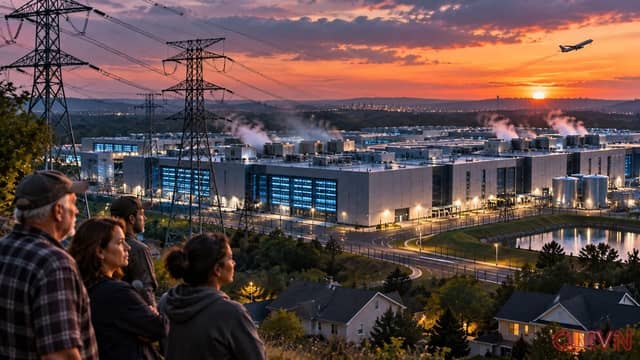
Data centers were once presented mainly as emblems of a forward-looking economy: buildings filled with servers, processors and cooling equipment supporting cloud computing and artificial intelligence. As immense complexes move closer to homes, however, the discussion shifts from abstract growth to household power bills, drinking-water supplies, noise and land use. The question is not simply whether the facilities should exist. It is what conditions they should satisfy, who verifies their effects and whether nearby residents have a meaningful voice.
Reuters reported that Gina Hinojosa's victory in Texas and Keisha Lance Bottoms' win in Georgia elevated politicians seeking tighter oversight to the governors' offices. The change in Texas attracted particular attention because a longtime Republican stronghold had aggressively courted technology investment. Yet skepticism crosses party lines. Before the election, Republican Governor Greg Abbott had already paused parts of the permitting process while officials reviewed data centers' electricity and water demands. Concern over local impacts cannot be reduced to a single party's election slogan.