A warning that reaches beyond monetary policy
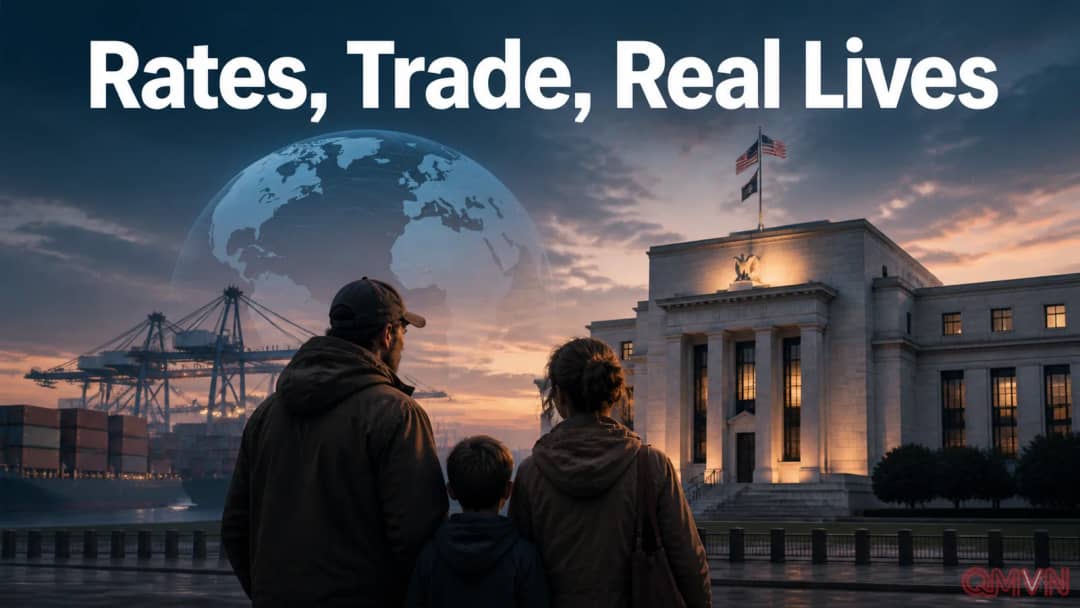
On September 4, Trump said he could stop trading with countries with which the United States has a trade deficit if the Federal Reserve does not cut rates, according to Reuters and The New York Times. The statement tied international commerce directly to a decision normally made by the central bank after assessing inflation, employment and the wider economic outlook.
The Federal Reserve’s dual mandate is maximum employment and stable prices. Its officials are expected to make judgments from evidence rather than political instruction. That does not place the Fed beyond criticism, but it does make the distinction between accountability and control especially important. When trade becomes a bargaining tool in a fight over rates, the consequences can extend far beyond a single policy meeting.
Strong hiring does not settle the rate debate
The Bureau of Labor Statistics reported that nonfarm payrolls rose by 162,000 in August and the unemployment rate remained 4.1 percent. The result suggested that hiring had regained momentum after a softer stretch, giving policymakers another important piece of evidence about the economy’s resilience.
But a healthy monthly jobs figure does not produce an automatic answer on rates. Fed officials still have to judge whether inflation is moving sustainably toward their goal, how wages and consumer demand are evolving, and whether financial conditions are becoming too restrictive or too loose. High rates can make mortgages, car loans and working capital more expensive. Cutting too early, however, can leave households exposed if inflation revives and everyday necessities become costlier.