MAIN ARTICLE
A crowd demanding relief from daily fear
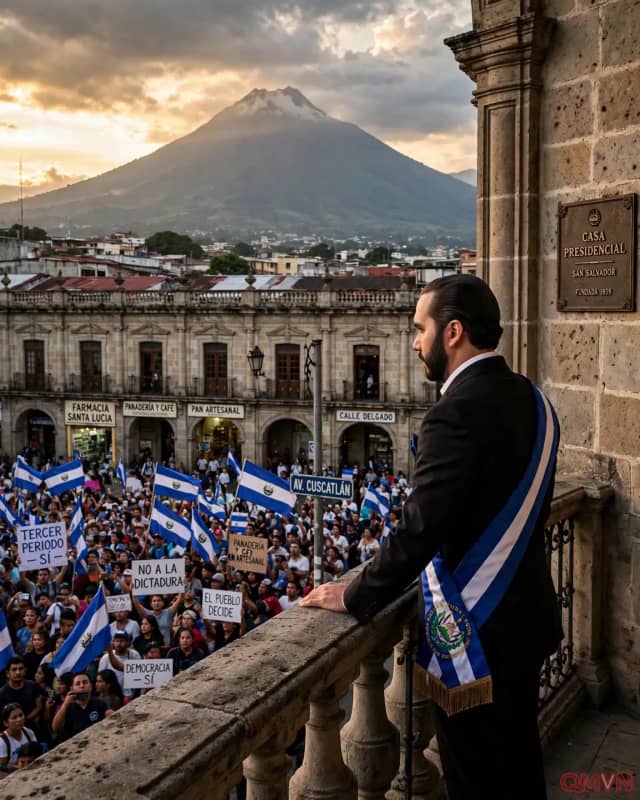
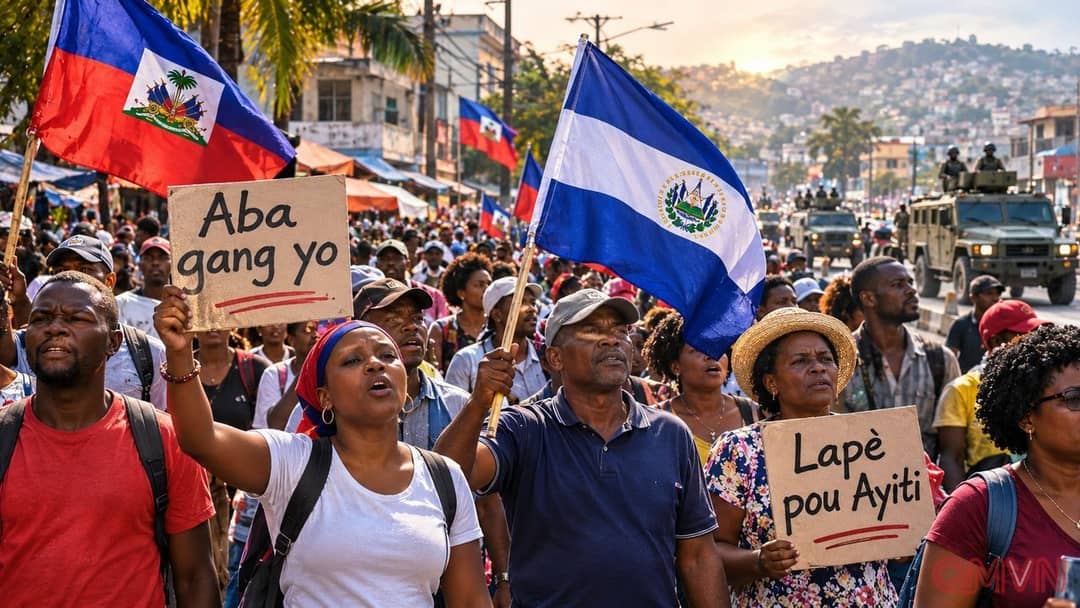
On November 17, demonstrators rallied in Port-au-Prince and other Haitian cities, some waving Salvadoran flags and chanting in praise of Nayib Bukele while condemning the gangs. Reuters reported thousands of participants. Their visible enthusiasm speaks to a population worn down by kidnappings, protection rackets, closed roads and gunfire, and impatient with international efforts that have yet to deliver a durable return to ordinary life.
That enthusiasm is not proof that sustainable peace has arrived. When schools, clinics, transport and livelihoods are repeatedly disrupted, even a short-lived security breakthrough matters enormously. But safety means more than witnessing an armed group retreat: it means being able to return home, earn a living and trust that the same men will not come back to punish residents tomorrow.
A reinforcement mission with a complicated command structure
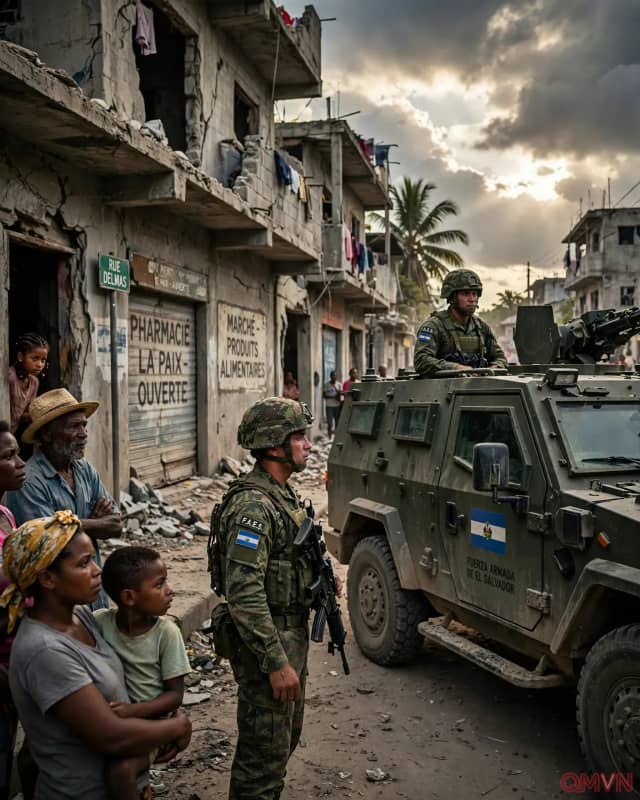
After four Salvadoran personnel serving with an internationally backed anti-gang force went missing during an October 18 ambush, Bukele sent more than 2,000 troops to Haiti under a separate bilateral deal, according to Reuters. The additional manpower and equipment raised the tempo of operations, but also complicated coordination among Haitian police, the UN-backed force and the independently deployed Salvadoran contingent.