MAIN ARTICLE
From a port trial to crowded public spaces
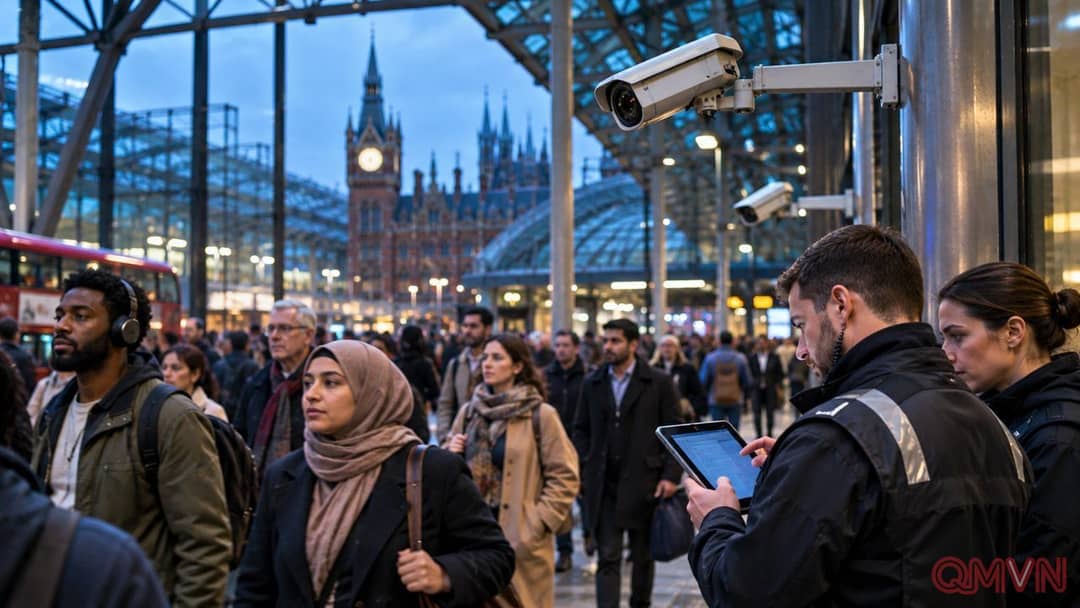
According to The Guardian, three trials at Holyhead port in Wales between November 2025 and February 2026 initially concentrated on travellers entering Britain from Ireland in breach of deportation orders or wanted on warrants involving immigration-related crimes. The emerging programme raises a broader prospect: deployments at railway stations, other transport hubs and events likely to attract substantial crowds. Such settings matter because almost everyone passing a camera may have no connection to the case being pursued.
Updated Home Office guidance, published on October 8, describes live facial recognition, or LFR, as comparing camera images in a defined zone with photographs on an authorised watchlist. A possible match creates an alert for trained officers to review; it is not meant to trigger an automatic detention. The guidance prohibits general monitoring and speculative searches. Yet eligible watchlists can extend to people actively sought for administrative immigration action, rather than exclusively those accused of criminal offences. That distinction lies at the heart of the controversy.
Officials have said they are considering further trials, and the published material does not establish that cameras have already been rolled out across every station or major event. Separating technological capability, approved policy and actual deployments is essential. Without that distinction, a narrowly authorised search mechanism could come to feel like permanent observation to the public.