MAIN CONTENT
From a softer acknowledgement to a firm rejection of amnesty
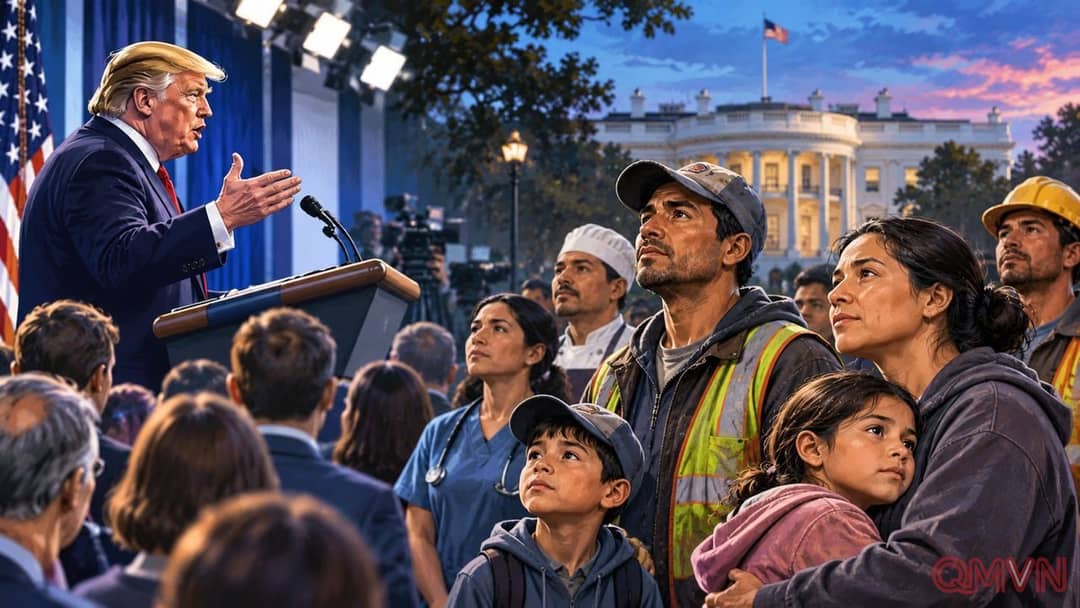
In a “60 Minutes” interview broadcast November 8, Trump suggested that deportation efforts might have been too tough for some voters. He distinguished violent criminals from people who had spent years working in landscaping, hotels and other industries, in some cases paying taxes. The comments raised expectations of a possible pragmatic accommodation, although the White House had not presented any specific legislation, eligibility rules or change in enforcement priorities.
A day later, Trump called his policies “very strong” and said he would not support amnesty. He also reiterated that authorities would concentrate on removing those he described as the most dangerous offenders. Politically, these positions are not necessarily incompatible: an administration can defend aggressive enforcement while acknowledging that individual circumstances differ. What remains unresolved is whether that distinction will produce measurable protections, narrower priorities or merely a different public explanation of existing practices.
In American immigration debates, opponents often use the word “amnesty” for proposals that enable people without lawful status to regularize their position. Reform advocates argue that the term can obscure conditions such as background checks, payment of taxes, years of residence and compliance with other legal obligations. Consequently, the controversy is about much more than a label. It concerns who may remain, what they must demonstrate, and which branch of government has the authority to establish those conditions.