MAIN ARTICLE
Good conversations in Shenzhen, no peace agreement yet
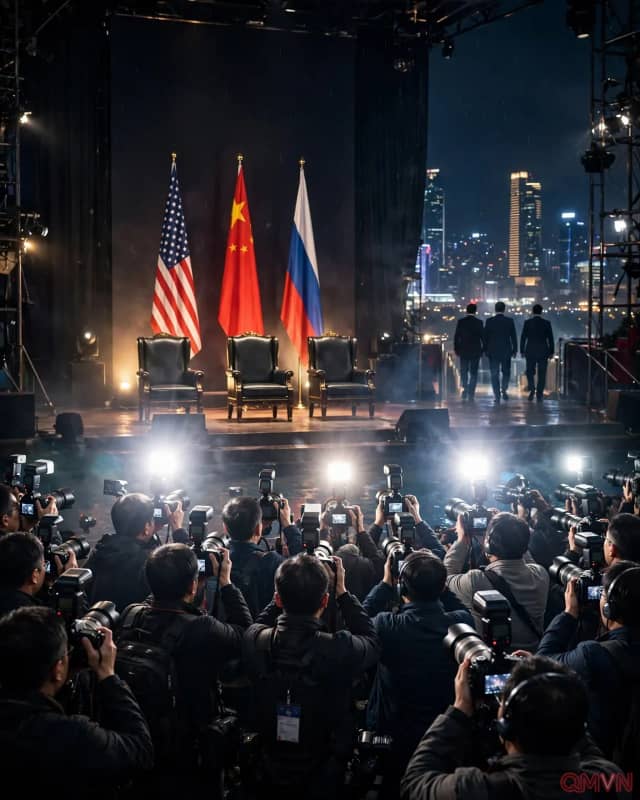
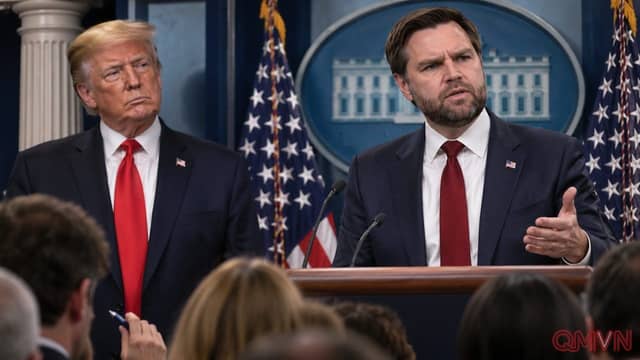
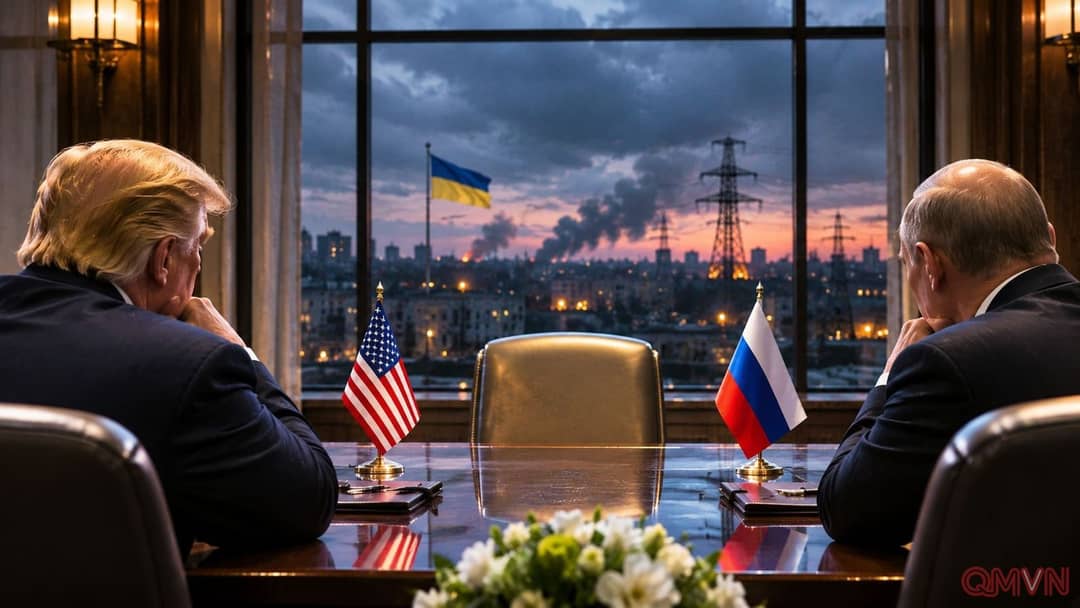
At a White House press conference on November 20, Trump said he and Putin had held very good discussions about Ukraine during the APEC gathering in Shenzhen. He portrayed the Russian president as interested in a diplomatic conclusion to the conflict. High-level communication is significant after years of war, but the remarks were not accompanied by a ceasefire timetable, agreed enforcement arrangements or a finalized negotiating text.
Asked about security guarantees, Trump argued that a deal must come first. That sequence creates an immediate dilemma for Kyiv: a ceasefire signed without a clear response to renewed aggression could be fragile from the outset. For Europe's leaders, the effectiveness of any pledge matters at least as much as the ceremony surrounding its announcement.
The NATO Article 5 analogy meets a Russian objection
Speaking in Berlin the previous day, Jared Kushner said Trump was open to a guarantee for Ukraine modeled on NATO's collective-defense clause. Under Article 5, an attack on one alliance member is regarded as an attack on all. An arrangement resembling that principle would not automatically make Ukraine a NATO member, however, nor would the discussion itself constitute a binding US commitment to send forces.