MAIN ARTICLE
When the border debate reached local streets
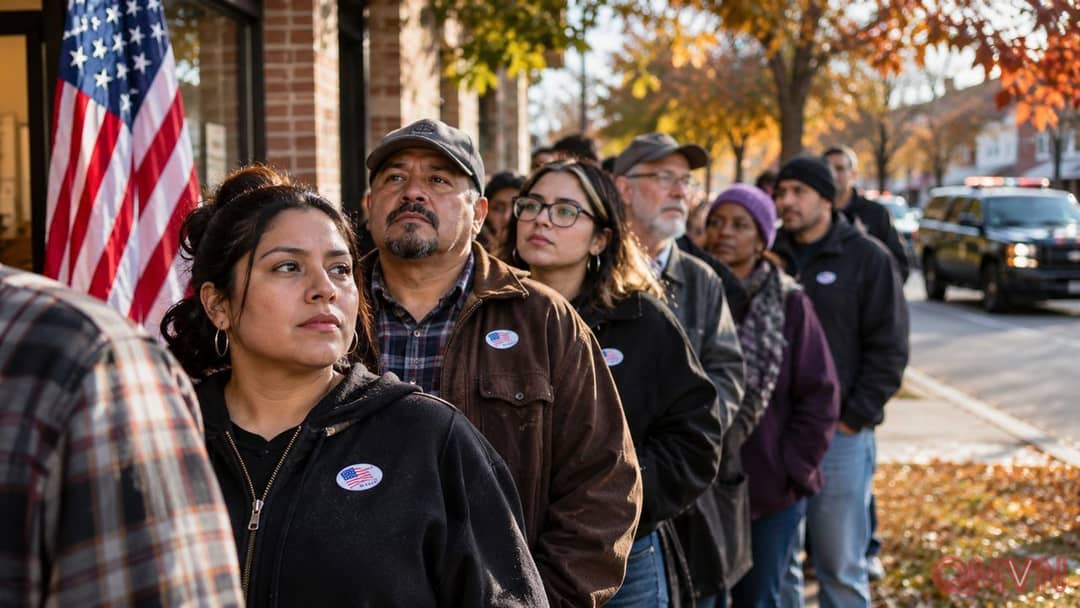
For years, American immigration politics was illustrated by border crossings, crowded reception centers and questions about who could enter the country. During this election cycle, the images changed: federal officers in residential streets, shuttered businesses and anxious parents rearranging routines. Enforcement actions far from the border made the costs and consequences of policy immediately visible to people who had never considered themselves central to the immigration debate.
The New York Times described Salvadoran restaurants closing temporarily during operations in Charlotte, North Carolina, and a Wisconsin child-care worker whose clients had begun sending children with passports. Such accounts do not establish that every enforcement action was unlawful. They do, however, reveal the wider climate of anxiety that can develop when families, employees and even citizens are unsure whether routine encounters will turn confrontational.
Fatal incidents sharpened questions of accountability
Minnesota became an especially powerful example after Operation Metro Surge produced confrontations involving federal agents and bystanders. The deaths of U.S. citizens Renee Good and Alex Pretti intensified scrutiny of the use of force and the mechanisms for investigating it.