MAIN ARTICLE
Barriers fall in the states
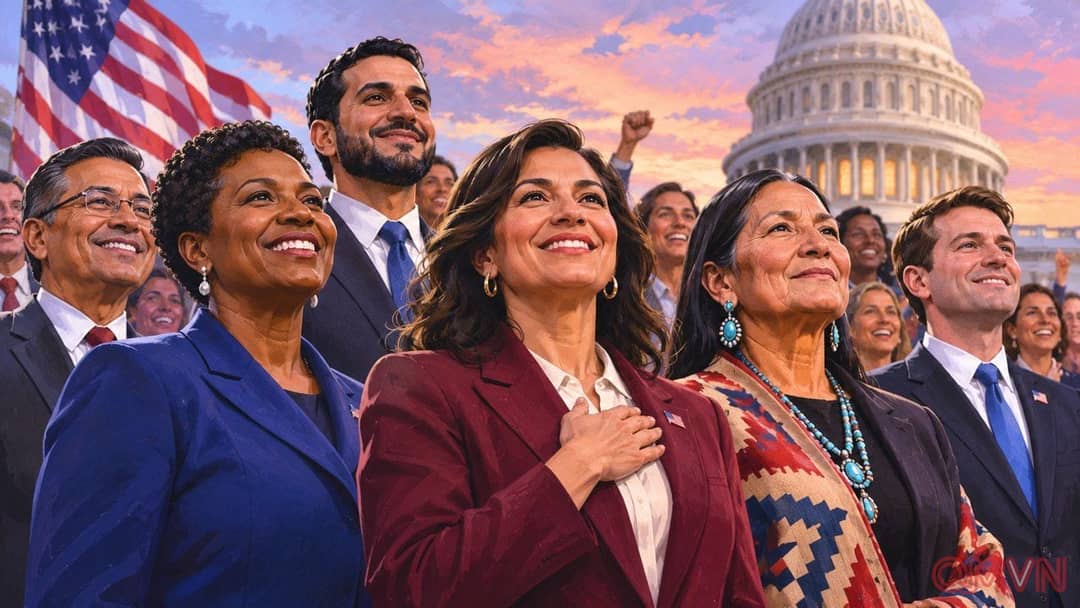
In Texas, Gina Hinojosa defeated incumbent Governor Greg Abbott, ending more than three decades of Republican control of the governor's office. In a populous state central to national politics, the election of its first Latina governor represents more than a change of personnel. Democrat James Talarico also prevailed in the Senate contest, turning what had long appeared to be dependable Republican territory into a renewed political battleground. Hinojosa's campaign placed affordability and public education alongside debates about immigration and the state's future.
Georgia elected former Atlanta mayor Keisha Lance Bottoms, making her the first Black woman ever elected governor of a US state. In New Mexico, voters chose Deb Haaland, a Laguna Pueblo citizen and former federal interior secretary, as the first Native American woman to govern a state. Their backgrounds, regions and political trajectories differ markedly. What their victories share is a challenge to assumptions about who can occupy the highest executive offices and whose experiences are acknowledged in public decision-making.
A Senate beginning to resemble a broader America
In Michigan, Abdul El-Sayed defeated Republican Mike Rogers to become the first Muslim elected to the United States Senate. Muslim Americans have long participated in civic life, but had never before elected a member to this chamber.