MAIN CONTENT
Implementation comes before a fresh bargain
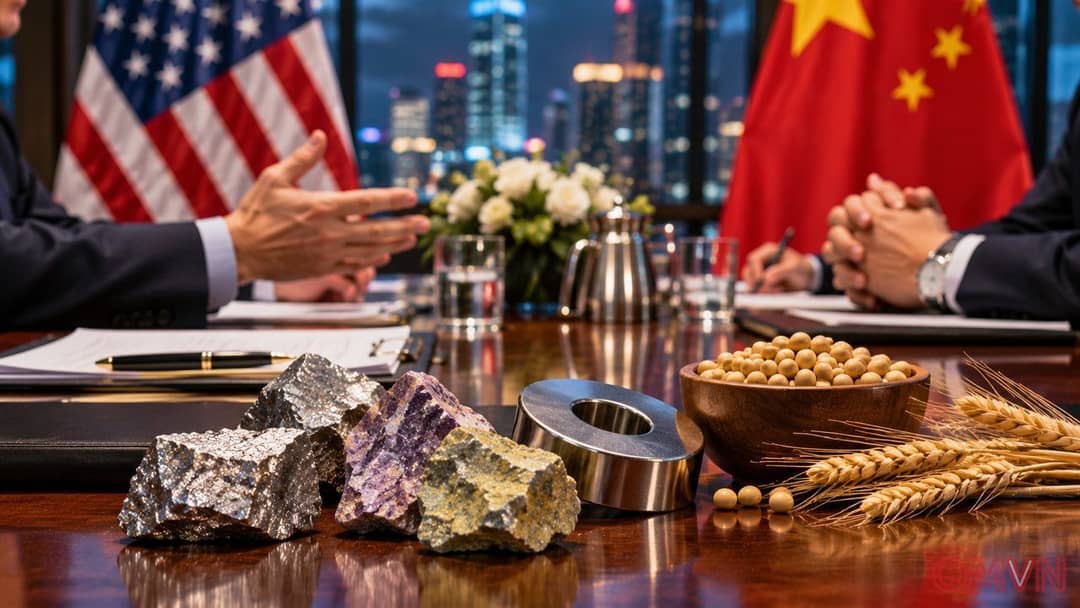
On November 6, the Office of the United States Trade Representative confirmed that Jamieson Greer and Scott Bessent had spoken by video with He Lifeng. Its account says Greer sought concrete action on agricultural purchases, rare earths and other critical minerals. The Treasury described a direct discussion and warned that Washington would closely assess implementation of the Busan arrangement. These are official U.S. positions, not the findings of an independent audit that establishes which side has met every obligation.
The sequence demanded by Washington matters: demonstrate progress on previous promises before discussing further concessions. Even amid high-level dialogue, a diplomatic agreement can remain far removed from shipments, permits and contracts. That gap is precisely where distrust accumulates, because each side can interpret implementation differently when deadlines and practical benchmarks are contested.
Why rare earths have become industrial leverage
Rare earths are more than a category in a customs ledger. Powerful magnets made using these elements are important to electric vehicles, wind turbines, electronic devices and some defense equipment. A delayed export license, or insufficient deliveries, can disrupt production far beyond the mine or processing plant. American manufacturers therefore watch the pace, predictability and volume of shipments, not merely whether a government declares restrictions suspended.