Closing the loophole at sea
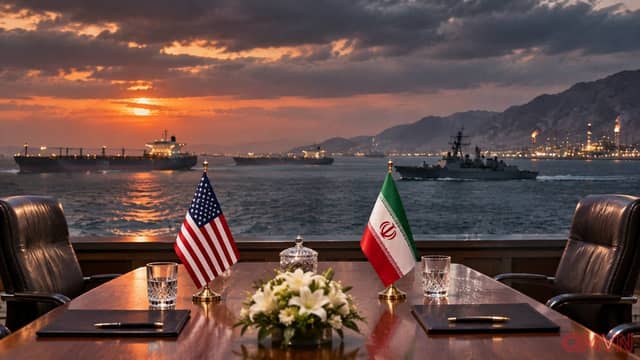
CENTCOM's advisory significantly widens the scope of the blockade. Under the new guidance:
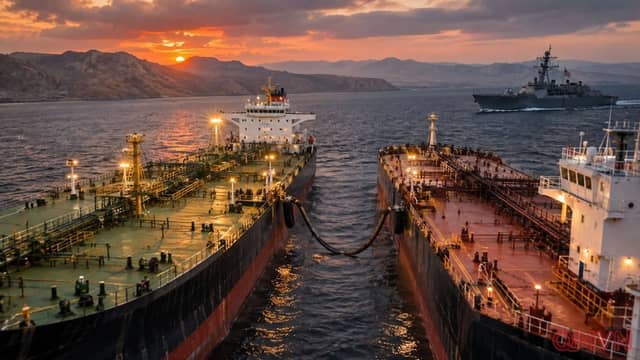
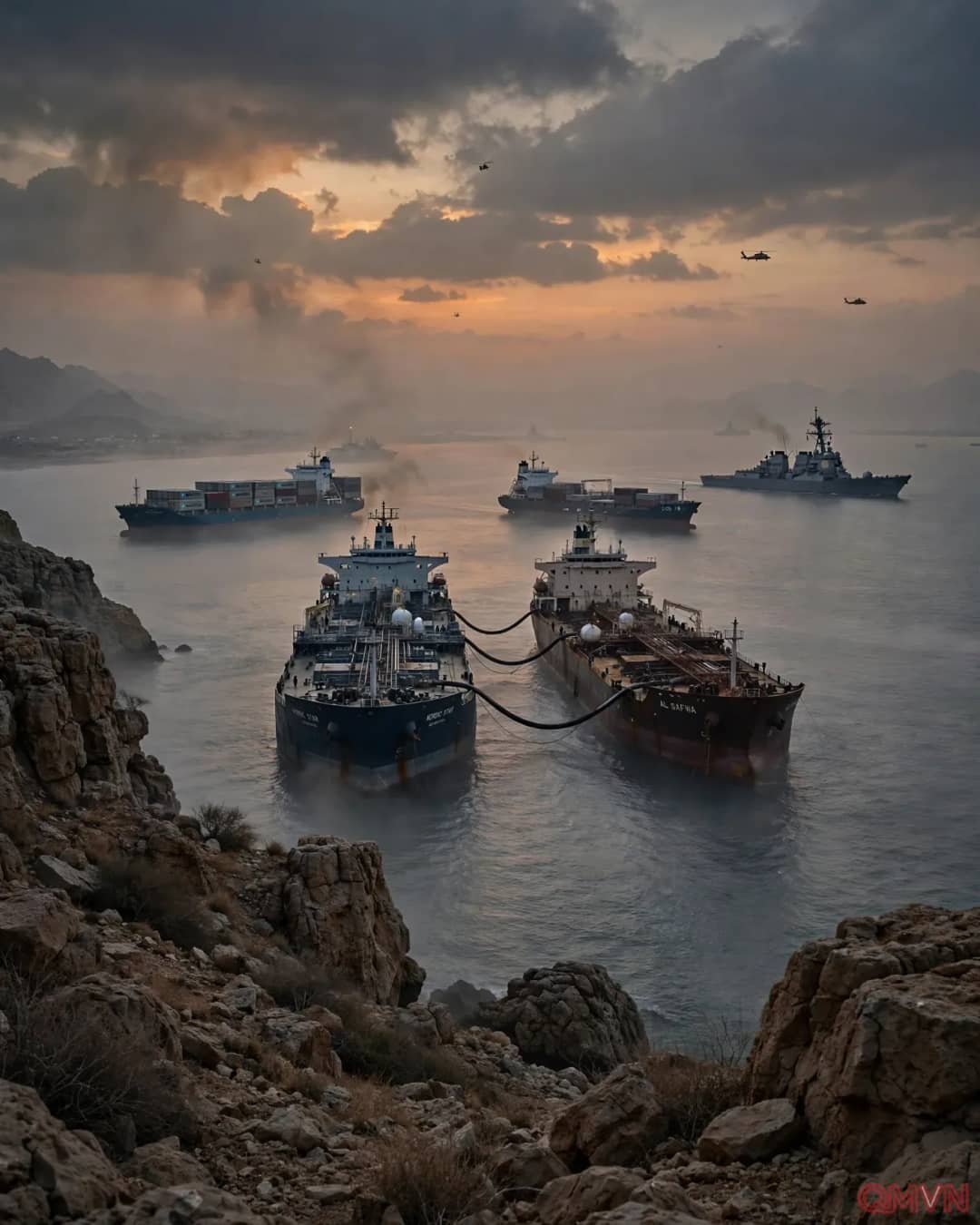
- Any ship receiving cargo through a ship-to-ship transfer from a vessel under blockade, with cargo loaded in Iran, may be considered to be evading the blockade, even if it never entered Iranian waters.
- Such ships may be stopped, boarded, diverted, captured or ordered to sail to the Iranian port where the cargo originated.
- Vessels that fail to comply could face enforcement action, including the use of force.
The aim is to shut down a practice in which cargoes are moved from one ship to another far from Iranian ports, making their origin harder to trace. US forces have already shown their willingness to act: in recent weeks, a cargo vessel accused of trying to run the blockade was bombed in the Gulf of Oman.
A blockade that comes and goes
Washington first imposed the blockade on April 13, lifted it in June after an understanding with Tehran, and reinstated it on July 14 when that agreement collapsed. According to Rob Geist Pinfold of King's College London, the United States sees the blockade as a way to pressure Iran and respond to its attacks on Gulf states, particularly Bahrain, without returning to a full military campaign.