MAIN CONTENT
A pause after September’s reset
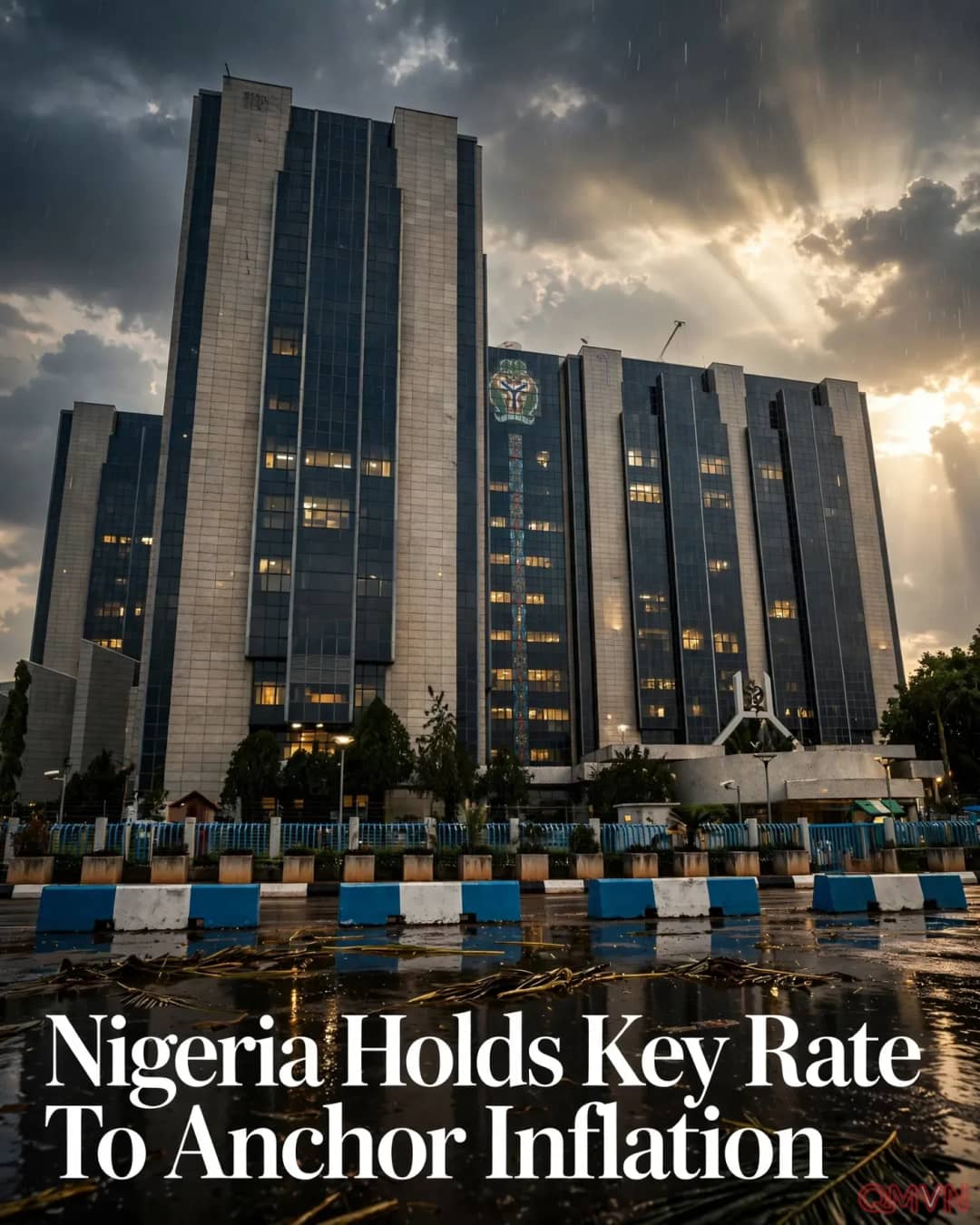
Reuters reported that six of seven economists it surveyed anticipated an unchanged rate. September’s reduction of 350 basis points, from 26.5% to 23%, had surprised markets. The bank explained that it was intended to improve the connection between its policy benchmark and actual market interest rates, which had moved away from that benchmark. The November pause therefore offers time to assess the effects of the earlier change rather than signal a commitment to any particular sequence of future cuts.
A policy rate is meaningful only when it influences financial decisions outside the central bank. If banks trade short-term funds at rates far removed from the official benchmark, changes in that benchmark may have a muted effect on financing conditions. Better liquidity management and a more reliable link between policy and market rates can improve the effectiveness of monetary decisions without necessarily requiring increasingly aggressive adjustments.
Why slower inflation is not the same as lower prices
The latest inflation figures mark an improvement, but they remain far from the experience of stable prices that families would welcome. A falling annual inflation rate means the general price level is increasing less rapidly.