MAIN CONTENT
A search for new sources of revenue
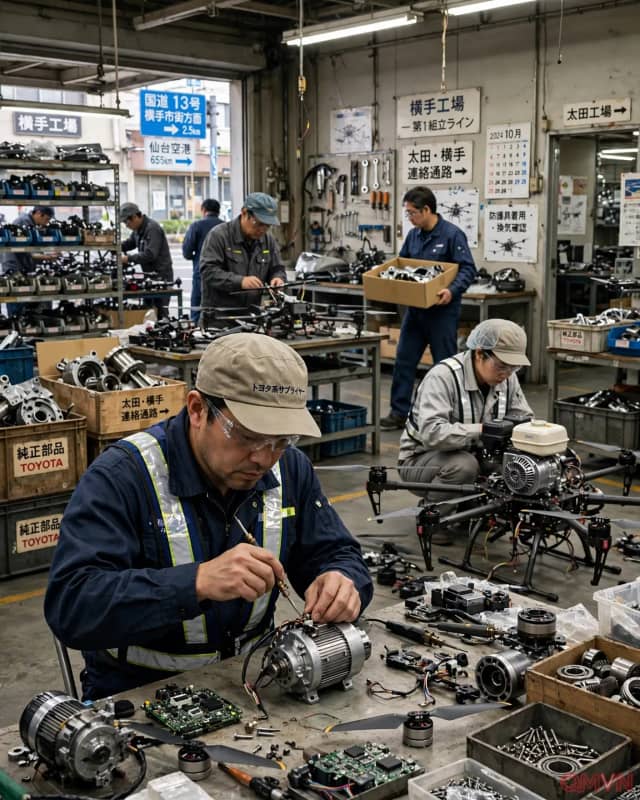
The pressures on Japan’s automotive sector extend well beyond individual factories. Figures from the Japan Automobile Manufacturers Association, cited by Reuters, show that the country produced nearly 900,000 fewer vehicles in 2025 than ten years earlier. That decline matters to a dense network of small businesses whose livelihoods depend on contracts from a handful of large manufacturers. A fall in orders can affect employment, investment and the survival of specialized skills in communities far from Tokyo.
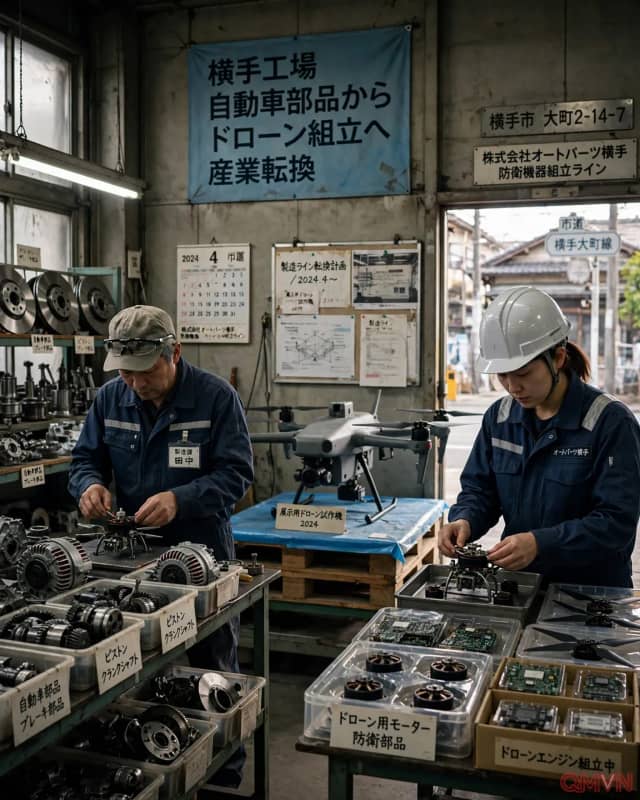
Aster illustrates why diversification appeals to smaller manufacturers. According to Reuters, the company began supplying the defense sector in 2025 and has since seen this business account for approximately 10% of sales. Chief executive Takenobu Hongo described conventional automotive work as currently offering limited profitability. The experience of one company does not establish that defense contracts will benefit every supplier, but it demonstrates why managers are considering markets that would once have seemed remote from their core activities.
Public policy meets private enterprise
Tokyo’s interest in industrial diversification has a wider fiscal and strategic setting. Japan’s Ministry of Finance explains that the defense buildup program approved in December 2022 envisaged approximately 43 trillion yen in expenditure across fiscal years 2023–2027.