MAIN CONTENT
Rebuilding is more than an emergency response
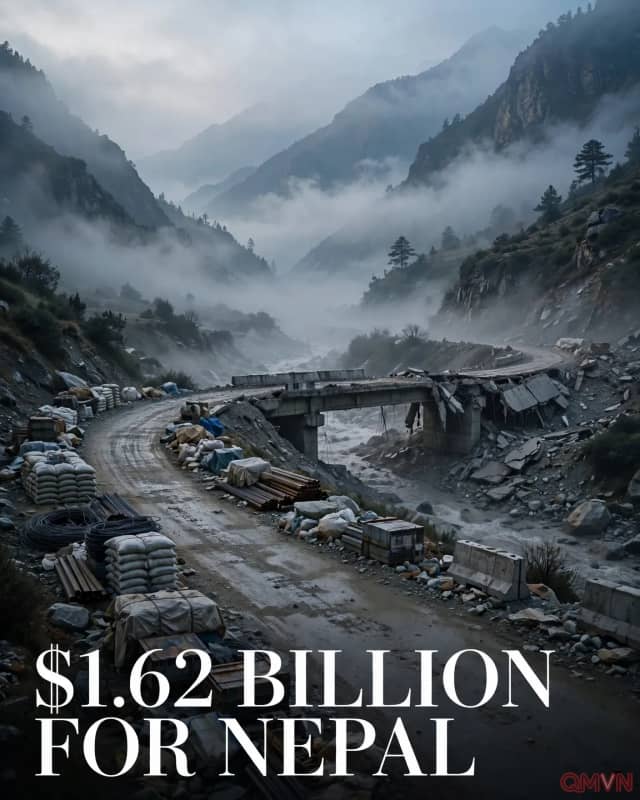
The financial commitment combines two distinct instruments. According to the November 23 joint statement reported by Reuters, approximately $377 million consists of grants for reconstruction and new infrastructure, while $1.24 billion is a credit line for energy projects. The distinction matters: a grant does not require repayment, whereas credit creates obligations that must be assessed alongside expected economic benefits. The headline amount should therefore not be interpreted as an immediate transfer of cash or as entirely free assistance.
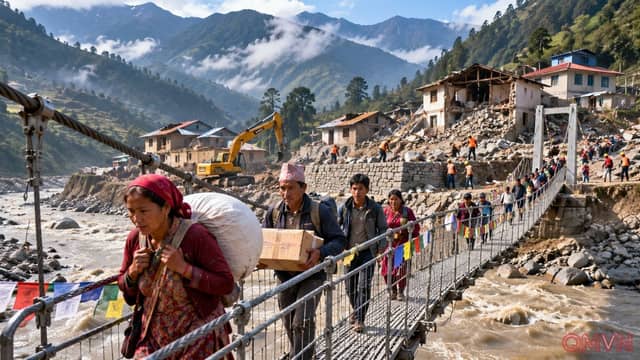
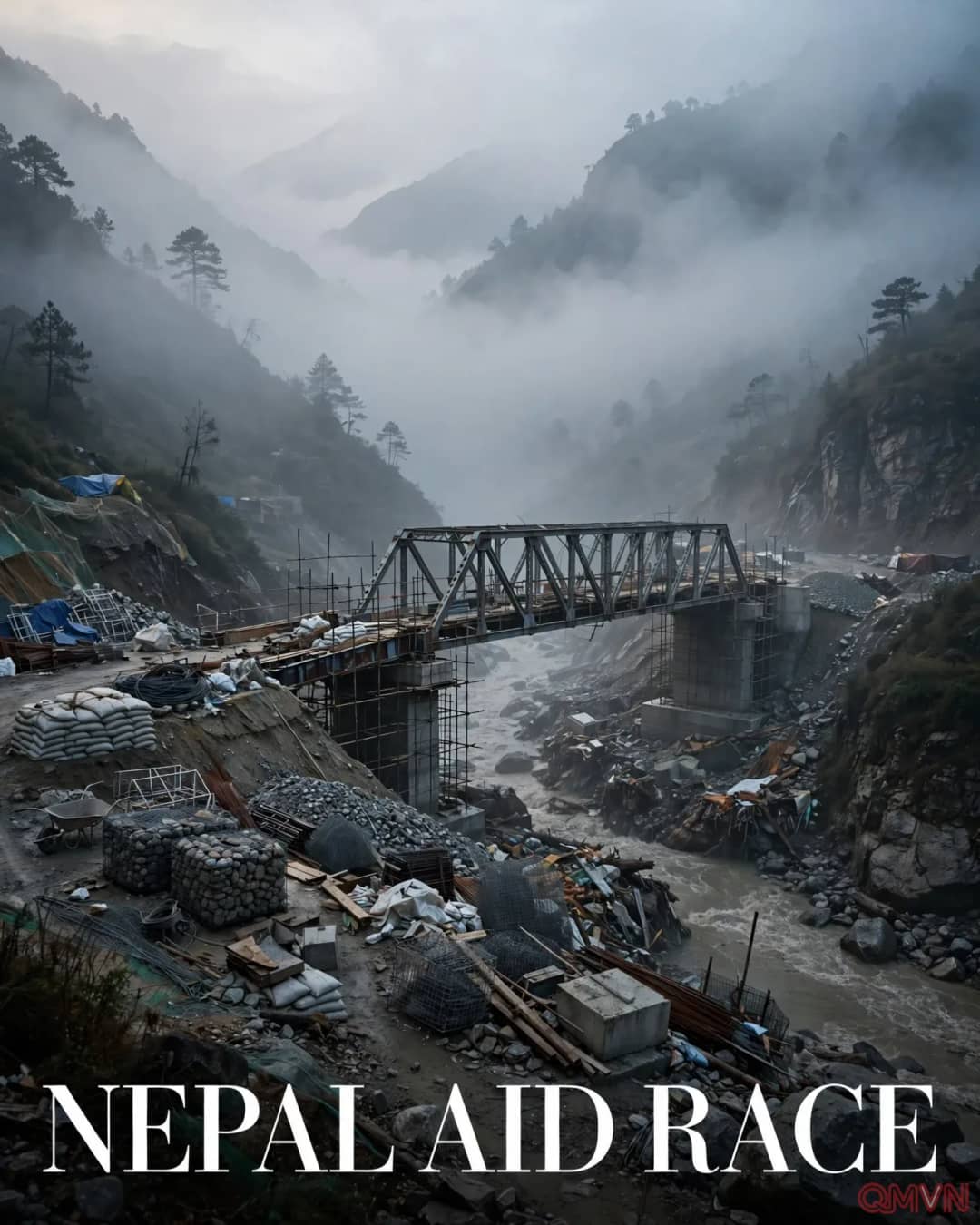
Nepal's government faces the difficult task of restoring essential services while making public infrastructure more resilient. Rebuilding roads, communications and other networks can help communities reconnect with markets and public services. But replacing damaged assets without addressing the risks that caused their failure could leave the same communities vulnerable in future disasters. Transparent procurement, realistic maintenance budgets and careful project selection will determine the durability of the investment.
Geography and the diplomacy of assistance
India's proximity gives it practical advantages when emergencies arise. Reuters reported that New Delhi was the first foreign government to respond to the August floods, supplying relief and helping restore communications.