A Bridge That Waited Over a Decade
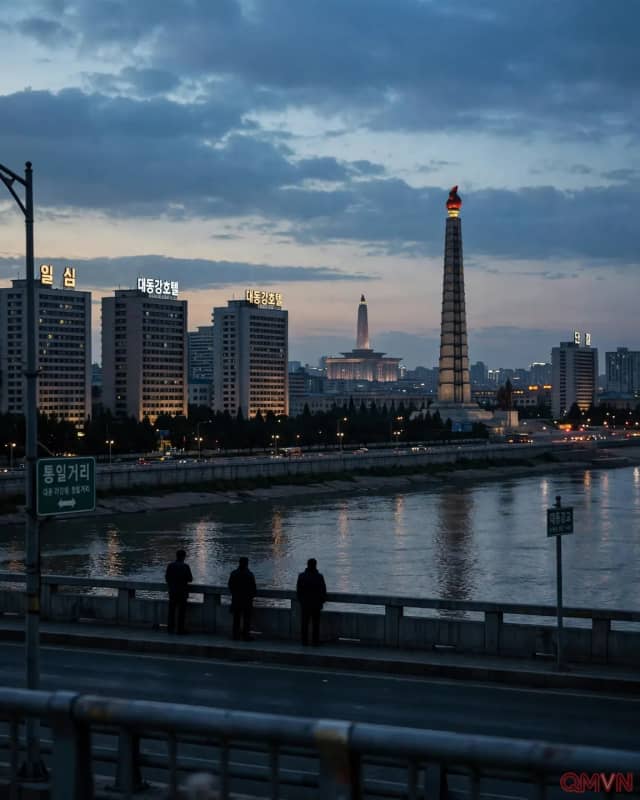
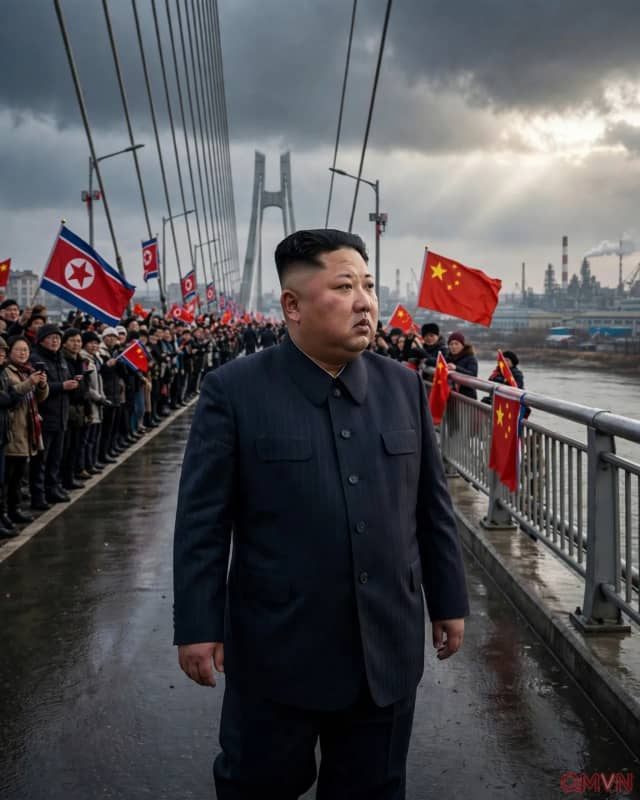
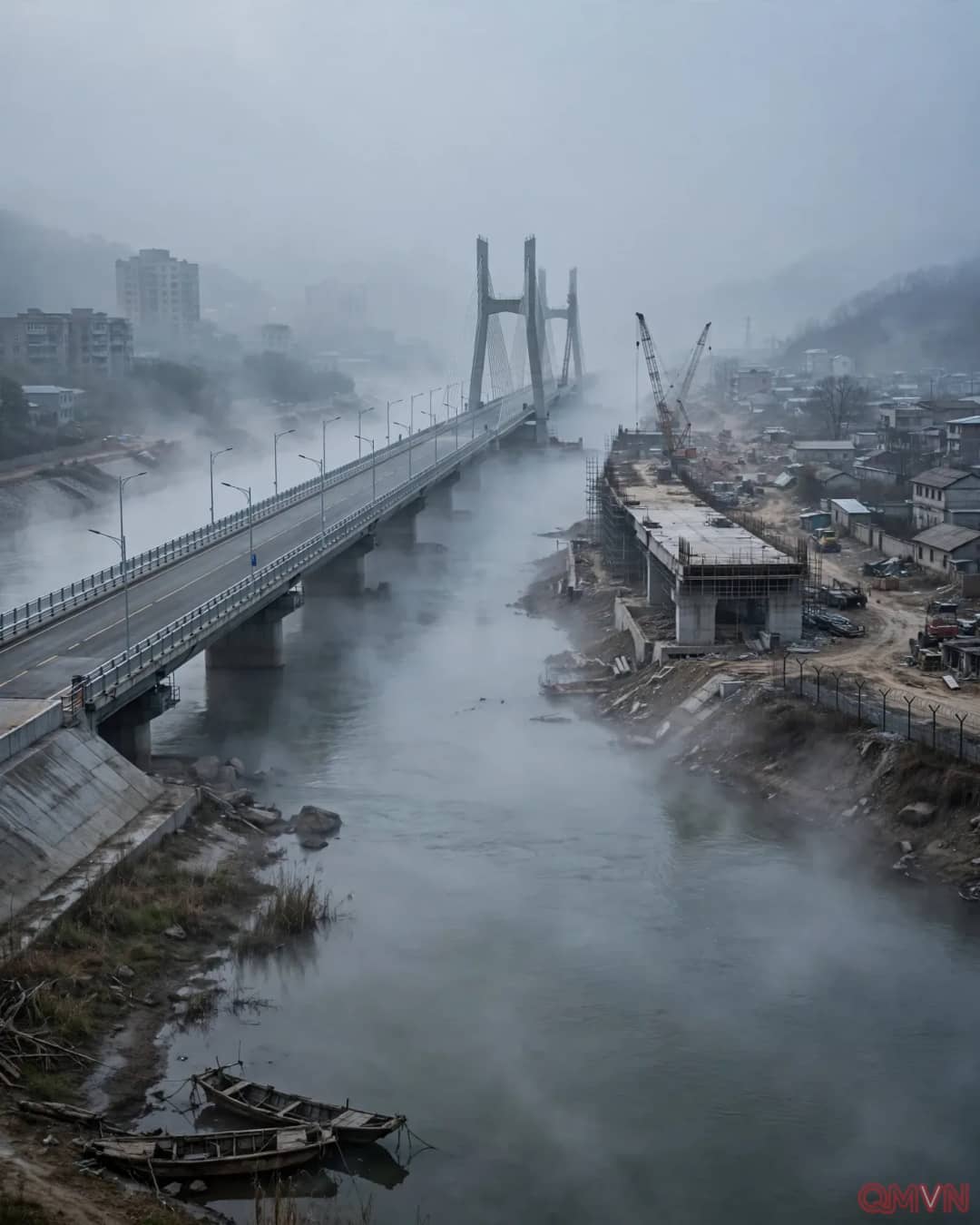
When China finished its part in 2014, the cable-stayed bridge was expected to boost bilateral trade. But North Korea left its side unfinished for years after Beijing supported tighter sanctions following Pyongyang's nuclear tests. The image of a modern bridge ending in fields on the far bank became a symbol of a troubled relationship.
Its formal opening therefore means far more than a piece of infrastructure. It marks an effort by both sides to restore trade links and send a political signal of rapprochement after years of coolness.
Ties on the Mend
Since 2018, Beijing has sought to repair ties with Pyongyang. Several recent signs point to this trend:
China's exports to North Korea reached a six-year high of $2.3bn last year, up 25% from the year before.
Chinese President Xi Jinping was welcomed in Pyongyang in June, his first visit since 2019.
However, North Korea has not resumed issuing tourist visas to Chinese citizens, who once made up the bulk of its foreign visitors.
Analysts say that while North Korea's trade with Russia largely involves military supplies, exchanges with China could involve goods Pyongyang needs to develop its civilian economy.