MAIN ARTICLE
A career path mapped out in childhood
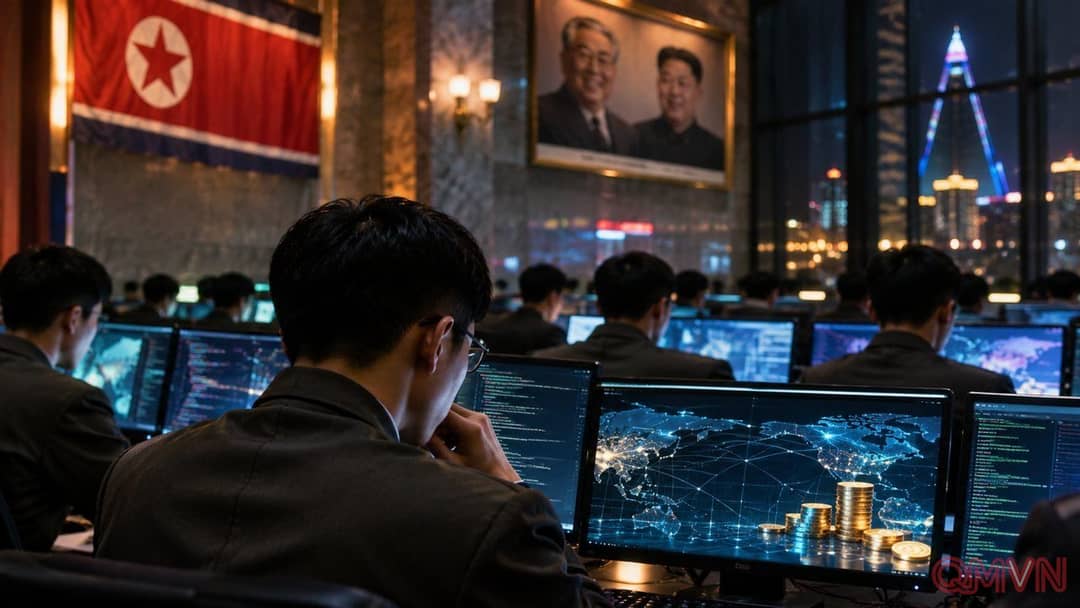
North Korea's cyber capability cannot be reduced to a handful of gifted programmers. Defectors and specialists interviewed by Reuters describe a selection pipeline that identifies approximately 150 to 200 promising schoolchildren each year, sometimes when they are only 11 or 12, and steers them toward advanced computer studies. This does not mean that every selected child becomes a hacker. Only a relatively small number reportedly proceed through further screening to military cyber units or related organizations.
Training can range from mathematics and foreign languages to analyzing software, foreign equipment and cryptocurrency infrastructure. Pyongyang has long treated cyberspace as a strategic asset alongside conventional weapons. Yet the precise architecture of the recruitment system remains difficult to verify independently: much of the description rests on defectors' accounts and intelligence assessments rather than publicly accessible North Korean records.
Privileges on one side, pressure on the other
Former insiders describe rewards for certain high achievers that may include foreign-currency payments, overseas assignments, apartments in Pyongyang and entry into elite social networks. Cybersecurity scholar Lim Jongin argues that the government channels strong technical students toward nuclear and cyber programs.