MAIN ARTICLE
What the new construction establishes
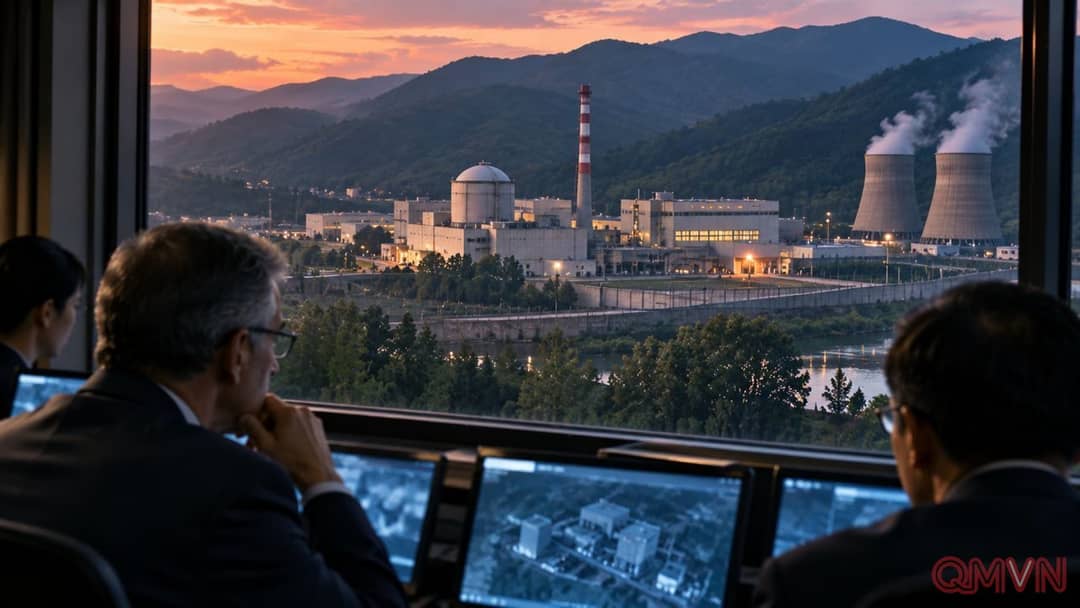
Speaking to the IAEA Board of Governors on November 18, Rafael Grossi said another extension of Yongbyon’s original uranium-enrichment facility had been under construction since mid-September and was externally complete by late October 2026. Satellite observations can establish building activity and visible changes. They cannot, on their own, establish that machinery has been fully installed, tested or brought online. Treating exterior completion as confirmed nuclear output would therefore overstate the evidence.
Yongbyon, north of Pyongyang, is both an enduring symbol and a practical center of the country’s nuclear program. Enriched uranium can serve certain civilian fuel applications, but sufficiently enriched material can also be used for nuclear weapons. An expanded footprint raises questions about potential capacity, without providing a verified figure for any increase in production.
The reactors and the limits of satellite monitoring
The IAEA said it had indications that Yongbyon’s five-megawatt electric reactor probably remained active in its seventh irradiation cycle. After irradiation, spent fuel could be reprocessed to recover plutonium.