UK threatens to ban all Eritreans from entering unless Asmara accepts the return of deported migrants
UK Home Secretary Shabana Mahmood has threatened to ban all Eritreans from entering the country if the east African nation's government does not accept more returns of small boat migrants and foreign national offenders. From Thursday, Eritrean diplomats face restrictions on travel outside London, while fast-track visas for VIPs have been suspended. Eritreans were the largest nationality among small boat arrivals, accounting for 18% in the 12 months to June. London accuses Asmara of abruptly withdrawing co-operation earlier this year and says it is ready to impose similar measures on other countries. The hardline approach has previously pushed Angola, Namibia and the Democratic Republic of Congo to change course, but it also raises questions about the treatment of people fleeing one of the world's most closed regimes.
Edite QUANG MINH·2 min read · 3 min listen·14 October 2026, 22:12 EDT·
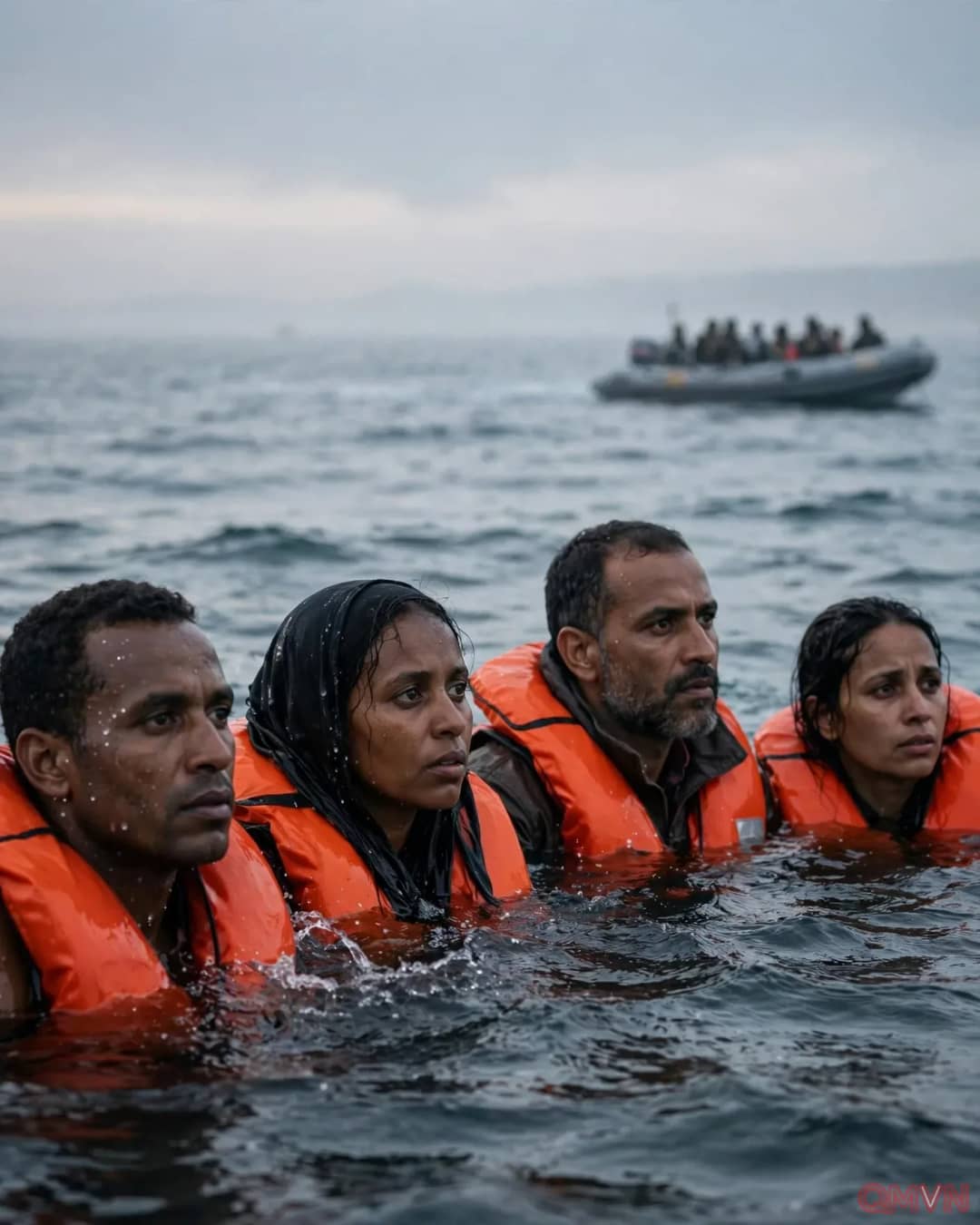
AI-generated illustration
An ultimatum from London
Mahmood said Eritrea had had every chance to accept the return of criminals and those with no right to be in the UK, but unlike other countries, it had refused. She said she would not hesitate to impose further measures on other countries refusing to co-operate.
The UK government accused the Eritrean authorities of "abruptly" withdrawing co-operation earlier this year. The Eritrean embassy in London has been contacted for comment.
Advertisement300 × 250
"Eritrea has had every chance to accept the return of criminals and those with no right to be in the UK." — Shabana Mahmood
The specific measures
The measures London has imposed or threatened include:
From Thursday, Eritrean diplomats may not travel more than 60km outside London without permission – mirroring restrictions on British officials in the capital, Asmara.
Fast-track visas for Eritrean VIPs have been stopped.
The threat of a full ban on Eritreans entering the UK if Asmara does not change its stance.
According to figures from the House of Commons Library, Eritreans were the most common nationality among small boat migrants in the 12 months to June, accounting for 18% of arrivals.
Precedents with other African countries
Ministers have previously used the threat of visa bans to pressure other countries into accepting returns. Earlier this year, London threatened Angola, Namibia and the Democratic Republic of Congo. Restrictions on the DRC announced last year were lifted after co-operation on returns improved, while Angola and Namibia both agreed changes before restrictions were introduced.
When announcing changes to the asylum system in November, Mahmood said visa penalties would apply to countries failing to co-operate on returns, including an "emergency brake" on visas for countries with high asylum claims until they take back citizens in the UK illegally.
The current migration picture
According to Home Office data, more than 20,400 people have arrived in the UK by small boat since the start of this year, down 40% on the same period last year.
From July 2025 to June this year, there were more than 40,600 returns and deportations from the UK, an 8% increase on the previous year. Of those returned, fewer than 6,000 had been convicted of a criminal offence.
EVENT BACKGROUND
Eritrea won independence in 1993 after a three-decade war with Ethiopia and has since been led by President Isaias Afwerki without ever holding national elections. Its indefinite national service, likened by the United Nations to forced labour, has driven hundreds of thousands of young people to flee across the Sahara, the Mediterranean and then the English Channel. As a result, Eritreans have consistently had very high asylum grant rates in the UK. Meanwhile, small boat crossings from France to Britain surged from 2018 and became a burning political issue. Successive governments tried various solutions, from the now-scrapped plan to send asylum seekers to Rwanda to a "one in, one out" deal with France. Since late 2025, the government has tightened the asylum system and used visas as diplomatic leverage. Supporters argue every country must take responsibility for its citizens; critics fear returnees could face mistreatment under a harsh regime. The core knot is that the countries from which most people flee are often the least willing to co-operate. The root cause is instability and repression at home, which pushes people into perilous journeys.
Key takeaways
Effective migration policy needs both firmness and humanity.
Diplomacy by pressure may deliver quick results, but only lasting co-operation solves problems at their root.
Behind every migration statistic is a human being seeking safety and dignity.
Subscribe to the QMVN newsletter
A daily morning digest - only stories worth reading, no spam.